-
Asturias and Ceuta: two shores of the same history
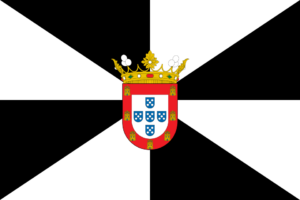
At first glance, little connects Oviedo with Ceuta. A thousand kilometres, a strait in between, and two landscapes that could hardly be more different: green, Cantabrian Asturias and African Ceuta, gazing out over the Mediterranean. And yet history has woven more threads between the two lands than it seems. From the Visigothic kingdom to the…
-
Soto del Barco, Asturias: municipality guide
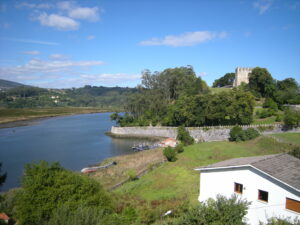
Soto del Barco is a coastal municipality in central Asturias, at the mouth of the river Nalón: 3,801 inhabitants on 40.23 km². Its capital is the town of Soto del Barco. Between the largest estuary in the Principality and the Cantabrian Sea, it combines the seafaring tradition of San Juan de la Arena with the…
-
Tapia de Casariego, Asturias: municipality guide
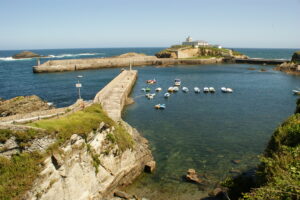
Tapia de Casariego is a seafaring municipality in western Asturias: 3,538 inhabitants on 65.99 km². Its capital is the town of Tapia, a fishing port facing the Cantabrian Sea between the mouths of the Porcía and the Eo. Its population is spread between the town and villages such as Serantes, La Roda, Campos and Salave.…
-
Taramundi, Asturias: municipality guide
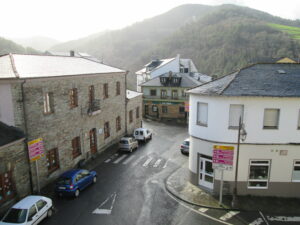
Taramundi is a mountain municipality in western Asturias, in the Turía valley: 545 inhabitants on 82.16 km², one of the least populated in the Principality. Its capital is the town of Taramundi and its population is spread among small hamlets such as Bres, Ouria, Teixois and Esquíos. A land of ironworks and knife-makers in the…
-
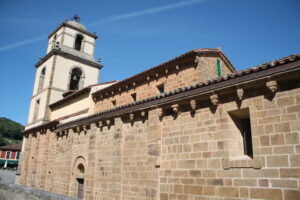
Teverga, Asturias: municipality guide
Teverga is a mountain municipality in central Asturias: 1,495 inhabitants on 168.86 km². Its capital is La Plaza. Wedged between the Cantabrian Mountains and the Ventana pass, which connects it with León, it is a land of brañas (high mountain pastures) with teitos (thatched huts), of the Senda del Oso (Bear Trail) and of the…
-
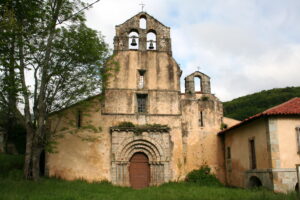
Tineo, Asturias: municipality guide
Tineo is one of the largest municipalities in Asturias: 540.83 km² and 8,679 inhabitants (INE 2025) in the west of the region. Its capital is the town of Tineo, at 652 metres above sea level and declared a Historic Ensemble. The municipality is crossed by the Camino Primitivo, the oldest official Jacobean route to Santiago…
-
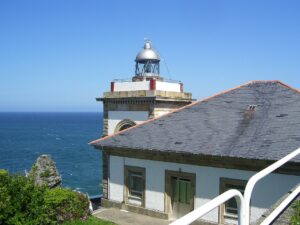
Valdés, Asturias: municipality guide
Valdés is a coastal municipality in western Asturias, with 10,895 inhabitants (INE 2024) spread over 353.52 km² between the Cantabrian Sea and the interior. Its capital is Luarca, the white seafaring town, birthplace of Nobel laureate Severo Ochoa. The municipality is crossed by the Camino del Norte, an official Jacobean route. What to see in…
-
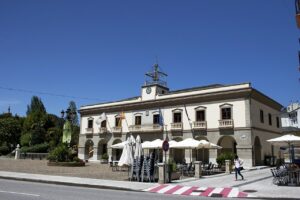
Vegadeo, Asturias: municipality guide
Vegadeo —A Veiga in Asturian and in Galician-Asturian— is a municipality in western Asturias, on the beautiful Eo estuary and right on the scenic border with Galicia: 3,928 inhabitants (INE 2025) on 82.75 km². Its capital is the town of Vegadeo. The Camino del Norte, an official Jacobean route, touches the municipality at its border…
-
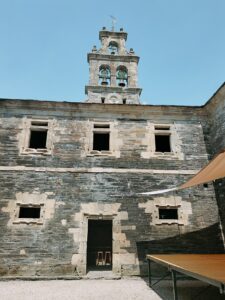
Villanueva de Oscos, Asturias: municipality guide
Villanueva de Oscos —Vilanova d’Ozcos in Eonavian, the local language— is one of the smallest and most authentic municipalities in Asturias: 244 inhabitants (INE 2025) on 72.98 km² in the west. Its capital is Villanueva (Vilanova). The municipality is part of the Río Eo, Oscos y Tierras de Burón Biosphere Reserve, declared by UNESCO. What…
-
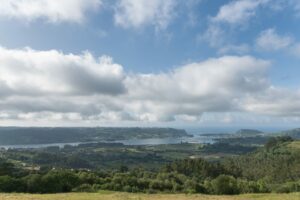
Villaviciosa, Asturias: municipality guide
Villaviciosa is one of the most complete municipalities in Asturias: 15,379 inhabitants on 276.23 km² in the central zone, with the largest estuary of the region bathing its northern coast. Its capital is the town of Villaviciosa, founded on 17 October 1270 by Alfonso X. A land of apple orchards and cider, of Romanesque and…
-
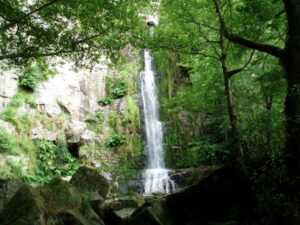
Villayón, Asturias: municipality guide
Villayón is a municipality in the Eo-Navia comarca, in western Asturias: 1,054 inhabitants on 132.46 km² of valleys and mountain ranges. Its capital is the town of Villayón, which has held the capital status since 1868, the year the municipality became independent from Navia. The river Navia runs through its western part from south to…
-
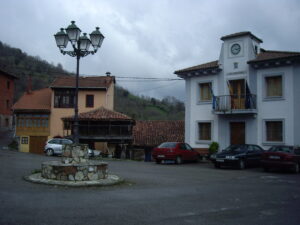
Yernes y Tameza, Asturias: municipality guide
Yernes y Tameza is the least populated municipality in Asturias: 134 inhabitants on 31.63 km² in the central zone, in the heart of the mountains. Its capital is Villabre, which has held the capital status since 1584, and its settlements are Fojó, Villaruiz, Yernes and Vendillés. Its people are called tamezanos. Among its mountains rise…
-
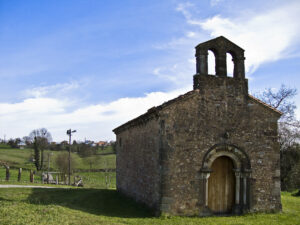
Siero, Asturias: municipality guide
Siero is a municipality in central Asturias, the fourth most populous in the region and a key part of the Central Area of Asturias. Its capital is La Pola Siero. With 53,049 inhabitants and 211.23 km², it combines rural meadows and plains with a powerful industrial and commercial fabric, just 18 kilometres from Oviedo. What…
-
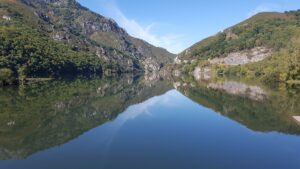
Sobrescobio, Asturias: municipality guide
Sobrescobio is a municipality in central Asturias, in the mountains of the Nalón Valley, whose entire territory belongs to the Redes Natural Park and is therefore a Biosphere Reserve. Its capital is Rioseco. With 838 inhabitants and 69.43 km², it is a land of reservoirs, hiking trails and traditional architecture, awarded as Exemplary Village of…
-
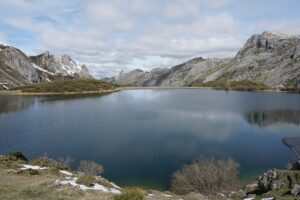
Somiedo, Asturias: municipality guide
Somiedo is a municipality in central Asturias, in the south-west of the region, entirely included in the Somiedo Natural Park and declared a UNESCO Biosphere Reserve. Its capital is Pola de Somiedo. With 1,031 inhabitants and 291.38 km², it is a land of bears, brañas (high mountain pastures) and teitos (thatched huts), one of the…
-
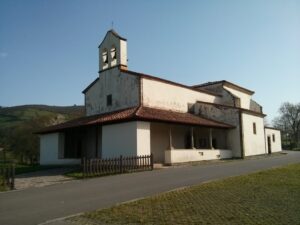
Sariego, Asturias: municipality guide
Sariego (Sariegu in Asturian) is a municipality in central Asturias, a large valley ringed by gentle mountains where the river Nora is born. Its capital is Vega. With 1,265 inhabitants and 25.73 km², it is a rural municipality of meadows and pastures with a privileged position between Siero, Gijón, Villaviciosa and Nava. In 2006 it…
-
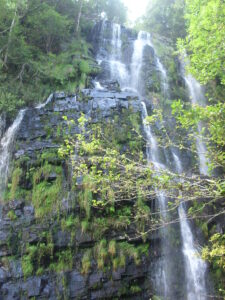
Santa Eulalia de Oscos, Asturias: municipality guide
Santa Eulalia de Oscos (Santalla d’Ozcos in Eonavian) is a municipality in western Asturias, in the heart of the Oscos region. Its capital is the town of Santa Eulalia de Oscos (Santalla). With 420 inhabitants and 47.12 km², it is a land of slate, forests and ironworks, part since 2007 of the UNESCO Río Eo,…
-
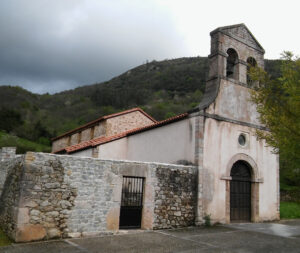
Santo Adriano, Asturias: municipality guide
Santo Adriano is a municipality in central Asturias, in the valley of the river Trubia, between the foothills of the Aramo and Oral ranges. Its capital is Villanueva. With 281 inhabitants and 22.60 km², it is one of the least populated municipalities in the Principality, but it holds two first-class jewels: the pre-Romanesque church of…
-
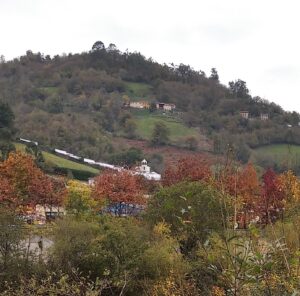
San Martín del Rey Aurelio, Asturias: municipality guide
San Martín del Rey Aurelio is a municipality in the Nalón comarca, in the central Asturian mining basin. Its capital is the city of San Martín del Rey Aurelio, formed in 2007 by the administrative union of Sotrondio, El Entrego and Blimea. With 15,531 inhabitants and 56.13 km², it owes its name to King Aurelio…
-
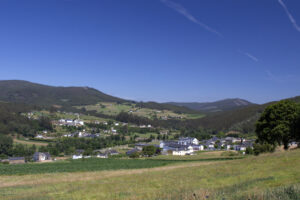
San Tirso de Abres, Asturias: municipality guide
San Tirso de Abres (San Tiso d’Abres in Eonavian) is a municipality in western Asturias, in the middle valley of the river Eo and right on the border with Galicia. Its capital is El Llano. With 396 inhabitants and 31.41 km², it is one of the smallest municipalities in the Principality: a single parish (San…
-
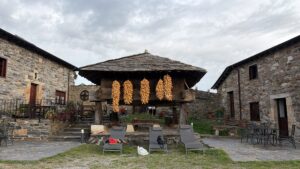
San Martín de Oscos, Asturias: municipality guide
San Martín de Oscos is a municipality in the far west of Asturias, in the Los Oscos comarca (Eo-Navia), where time seems to have stood still. Its capital is San Martín de Oscos (Samartín in Eonavian). With 337 inhabitants and 66.56 km², it is one of the least populated municipalities in the region: a land…
-
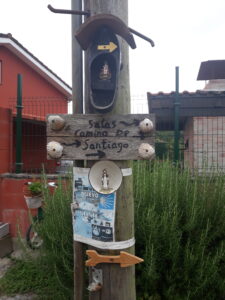
Salas, Asturias: municipality guide
Salas is a municipality in west-central Asturias, known as «the Gateway to the West» of Asturias. Its capital is the town of Salas. With 4,771 inhabitants, 227.10 km² and 28 parishes, it is a land of river valleys —Narcea, Nonaya and Esva— where the Primitive Way of Saint James has left a deep mark. What…
-
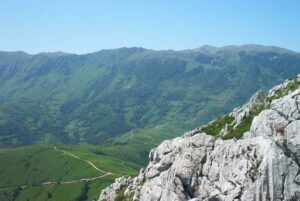
Riosa, Asturias: municipality guide
Riosa is a municipality in the central Asturian mountains, in the Oviedo comarca, known worldwide as the land of L’Angliru, one of the most feared climbs in international cycling. Its capital is La Vega. With 1,712 inhabitants and 46.49 km², it is a municipality of very rugged terrain, straddling the Sierra del Aramo and the…
-
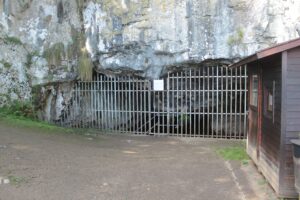
Ribadedeva, Asturias: municipality guide
Ribadedeva is the municipality at the eastern tip of Asturias: 1,693 inhabitants on 35.66 km² between the Cantabrian Sea and the river Deva, which separates it from Cantabria. Its capital, Colombres, preserves the largest and best-preserved ensemble of indiano architecture in all of Asturias, and its cliffs hold one of the jewels of European Palaeolithic…
-
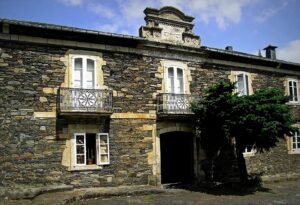
Pesoz, Asturias: municipality guide
Pesoz is a municipality in western Asturias with 134 inhabitants on 38.97 km². It is a single-parish municipality —the parish being Pesoz itself (Pezós in Eonavian)— set between the Agüeira and Navia rivers, in the wine lands of western Asturias. Things to see in Pesoz The jewel of its civil heritage is the Palacio de…
-
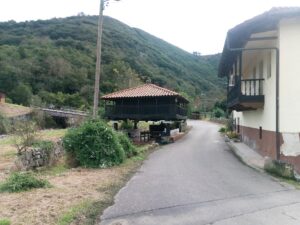
Ribera de Arriba, Asturias: municipality guide
Ribera de Arriba is a small municipality in central Asturias —1,852 inhabitants on 21.98 km²— whose name says it all: it is the bank of the river Nalón, where the river Caudal delivers its waters to the great Asturian river. Its capital, Soto de Ribera, is only 7 km from Oviedo, and the Camino del…
-
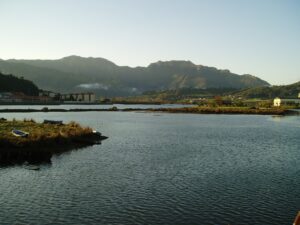
Ribadesella, Asturias: municipality guide
Ribadesella is the great seafaring town at the mouth of the river Sella: 5,591 inhabitants on 84.37 km² of coast, estuary and mountains. Founded by Alfonso X the Wise in the 13th century, it guards the Tito Bustillo cave, one of the summits of world Palaeolithic art, and every August it hosts the finish of…
-
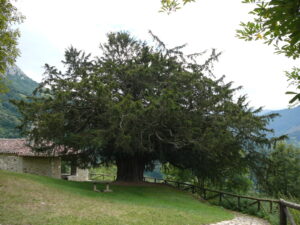
Quirós, Asturias: municipality guide
Quirós is a municipality in central Asturias with 1,142 inhabitants on 208.79 km². Its capital is Bárzana, in the centre of a very mountainous valley —40% of the territory rises above 1,200 metres— that forms an essential part of the Las Ubiñas-La Mesa Natural Park: a historic frontier and crossing point towards the Meseta, a…
-
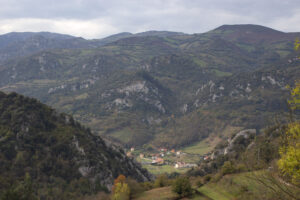
Proaza, Asturias: municipality guide
Proaza is a municipality in central Asturias with 686 inhabitants on 76.79 km². Its capital is the town of Proaza, in the heart of the Valles del Oso (Bear Valleys): a land of gentle meadows and steep slopes, crossed by the Trubia river, where the Middle Ages left towers and entire villages and the 21st…
-
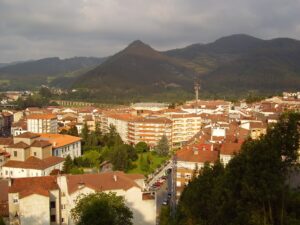
Pravia, Asturias: municipality guide
Pravia is a municipality in central Asturias with 7,792 inhabitants on 102.96 km². Its capital is the town of Pravia, once town and court of the Asturian monarchy under King Silo (774–783), which keeps the monumental splendour of those times: pre-Romanesque churches, palaces and manor houses in a fertile land watered by the Nalón, the…
-
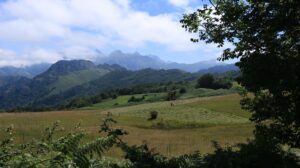
Ponga, Asturias: municipality guide
Ponga is a municipality in eastern Asturias with 576 inhabitants on 205.98 km². Its capital is San Juan de Beleño, a village embedded in the Cantabrian mountains whose territory, declared a Natural Park and Biosphere Reserve, is a paradise for active tourism: hiking, canyoning and thermal waters among beech forests and gorges. Things to see…
-
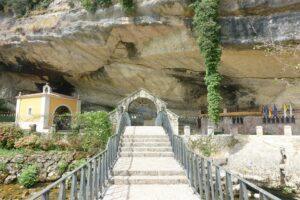
Piloña, Asturias: municipality guide
Piloña is a municipality in eastern Asturias with 6,716 inhabitants on 283.89 km² and 24 parishes. Its capital is Infiesto (L’Infiestu), a hazelnut town on the banks of the river Piloña, between the Sierra del Sueve and the inland valleys. Things to see in Piloña Two kilometres from Infiesto, in Ques, the sanctuary of the…
-
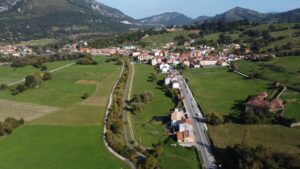
Peñamellera Baja, Asturias: municipality guide
Peñamellera Baja is a municipality in eastern Asturias (officially El Valle Baju de Peñamellera in Asturian) with 1,195 inhabitants on 83.85 km². Its capital is Panes, a town on the banks of the river Deva, at the foot of the Picos de Europa and right on the border with Cantabria. Things to see in Peñamellera…
-
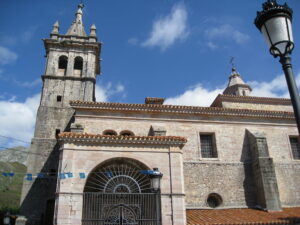
Peñamellera Alta, Asturias: municipality guide
Peñamellera Alta (in Asturian, El Valle Altu de Peñamellera) is one of the smallest and least populated municipalities in Asturias: 496 inhabitants on 92.19 km². Its capital is Alles. Set in the far east of the region, between the Sierra del Cuera and the Picos de Europa and bordering Cantabria, it is a land of…
-
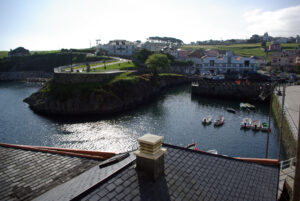
Navia, Asturias: municipality guide
Navia is a coastal municipality in western Asturias: 8,031 inhabitants on 63.12 km². Its capital is the town of Navia, set at the mouth of the river that gives it its name. A fishing port with a long tradition and a land of emigrants who returned from the Americas, it hosts the Descenso a Nado…
-
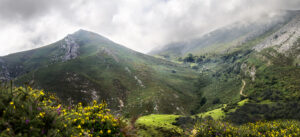
Parres, Asturias: municipality guide
Parres is a municipality in eastern Asturias with 5,141 inhabitants on 126.08 km². Its capital is Arriondas (officially Arriondas/Les Arriondes), a town crossed by the river Sella which every August becomes the starting point of the municipality’s most international event: the Sella Descent, the only Festival of International Tourist Interest in Asturias. Things to see…
-
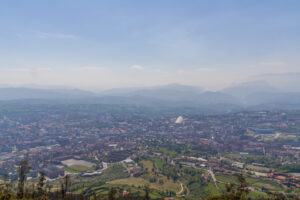
Oviedo, Asturias: municipality guide
Oviedo is the capital of the Principality of Asturias and its most populous municipality: 223,968 inhabitants on 186.65 km². The city —Uviéu in Asturian— was founded in 761 by the monks Máximo and Fromestano, and it is the birthplace of the Camino de Santiago: in 834 King Alfonso II the Chaste set out from here…
-
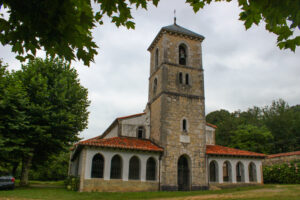
Onís, Asturias: municipality guide
Onís is one of the smallest municipalities in Asturias: 732 inhabitants on 75.42 km². Its capital is Benia de Onís (officially Benia). Nestled at the foot of the Cornión, the western massif of the Picos de Europa, it is known as the «heart of the Picos de Europa»; and its capital, Benia, is regarded as…
-
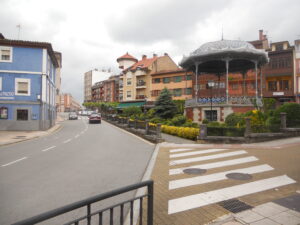
Noreña, Asturias: municipality guide
Noreña is the smallest municipality in Asturias: 5,131 inhabitants on just 5.29 km², the least extensive municipality in the region and one of the most densely populated, with one of the highest per-capita incomes. Its capital is the Villa Condal de Noreña (the “Count’s Town”), a territory fragmented into five enclaves nested within the municipality…
-
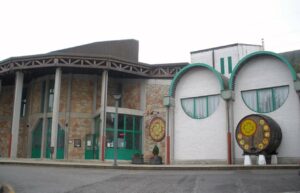
Nava, Asturias: municipality guide
Nava is a municipality in central Asturias, capital of the Mancomunidad Comarca de la Sidra (Cider Comarca) and known as the Asturian cider capital. Its capital is Nava. With 5,244 inhabitants and 95.81 km², it is a municipality of meadows and forests where the cider culture pervades everything: museum, festival, cider presses and espichas. Things…
-
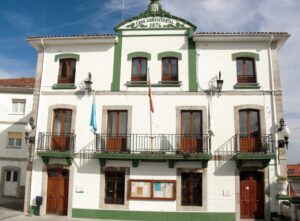
Muros de Nalón, Asturias: municipality guide
Muros de Nalón is a coastal municipality in central Asturias, at the mouth of the river Nalón. With 1,955 inhabitants and 8.09 km², it is the second smallest municipality in Asturias. Its capital is Muros de Nalón. Until 1916 it was simply called Muros; until 1847 it belonged to the municipality of Pravia. Things to…
-
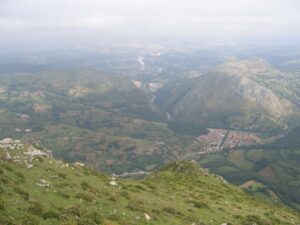
Morcín, Asturias: municipality guide
Morcín is a mountain municipality in central Asturias, between the Monsacro and the Sierra del Aramo. Its capital is Santa Eulalia de Morcín —Santolaya in Asturian. With 2,460 inhabitants and 50.05 km², it is a municipality of small villages, medieval hermitages high on the mountain and the most artisan gastronomy of the Montaña Central. Things…
-
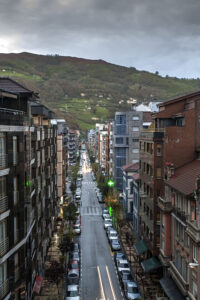
Mieres, Asturias: municipality guide
Mieres is the most populous municipality in central Asturias after Oviedo and Gijón: 36,373 inhabitants on 146.03 km². Its capital is Mieres del Camino, known in Asturian as Mieres del Camín. Just 20 kilometres from Oviedo, it is the historic heart of coal mining in the Caudal valley and today a municipality that combines its…
-
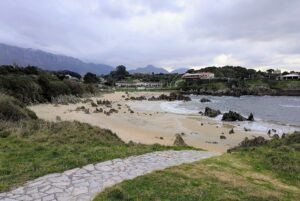
Llanes, Asturias: municipality guide
Llanes is a municipality in eastern Asturias, between the Sierra del Cuera, the Picos de Europa and the Cantabrian Sea. Its capital is Llanes. With 13,486 inhabitants and 263.59 km², it is one of the most tourist-oriented fishing towns in northern Spain, famous for its beaches, its medieval old town and the Northern Way. Things…
-
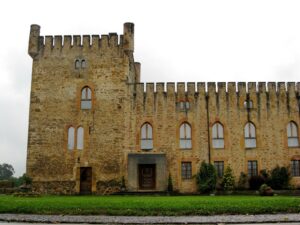
Llanera, Asturias: municipality guide
Llanera is a municipality in central Asturias, on the plain that stretches north of Oviedo. Its capital is Posada de Llanera. With 14,020 inhabitants and 106.69 km², it is a municipality of strong residential and industrial growth, home to the Silvota and Asipo industrial estates and the Asturias Technology Park. Things to see in Llanera…
-
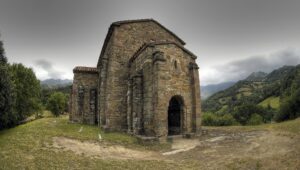
Lena, Asturias: municipality guide
Lena is a municipality in central Asturias, on the road to the plateau: the Puerto de Pajares (1,378 m) is its natural pass into León. Its capital is Pola de Lena. With 10,382 inhabitants and 315.51 km², it combines UNESCO-listed pre-Romanesque art, high mountains and a historic pilgrimage route. What to see in Lena The…
-
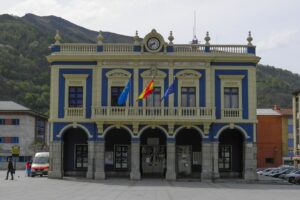
Laviana, Asturias: municipality guide
Laviana is a municipality in central Asturias, in the heart of the Nalón comarca. Its capital is Pola de Laviana. With 12,352 inhabitants and 130.99 km², it combines the mining past of the Nalón valley with the nature of the protected landscape of the Cuencas Mineras and the gates of the Redes Natural Park. Things…
-
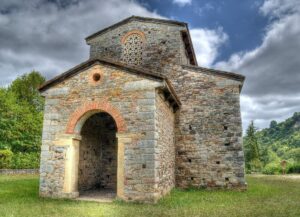
Las Regueras, Asturias: municipality guide
Las Regueras is a municipality in central Asturias, whose name refers to the abundance of streams, brooks and small water channels that water its entire territory. Its capital is Santullano. With 1,892 inhabitants and 65.85 km², it is a rural municipality where dairy cattle farming remains the main economic activity. Things to see in Las…
-
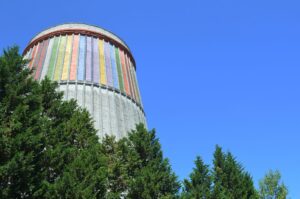
Langreo, Asturias: municipality guide
Langreo (Llangréu in Asturian) is a municipality in the central area of Asturias, in the Nalón district, right in the heart of the Mining Basins. It borders Siero, Noreña, Oviedo, Mieres and San Martín del Rey Aurelio. Its capital is the city of Langreo, made up of the districts of Riaño, Barros, Lada, La Felguera,…
-
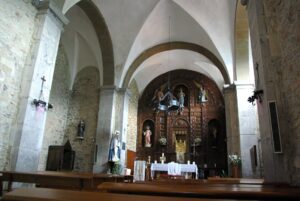
Illas, Asturias: municipality guide
Illas is a municipality in central Asturias, in the Avilés comarca. It borders Castrillón, Corvera, Las Regueras, Llanera and Candamo. Its capital is Callezuela. With 1,048 inhabitants and 25.51 km², it is one of the smallest municipalities in the Principality, a rural territory that has managed to stay clear of the urban growth around it…
-
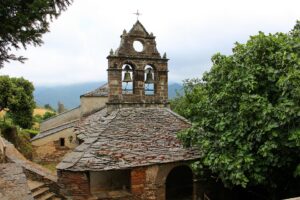
Illano, Asturias: municipality guide
Illano (Eilao in Eonavian, its official place name) is a municipality in western Asturias, in the River Navia basin. It borders Boal, Pesoz, San Martín de Oscos, Villayón, Allande, Villanueva de Oscos and Castropol. Its capital is Illano. With 277 inhabitants and 102.70 km², it is one of the least populated municipalities in the Principality,…
-
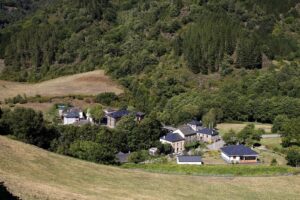
Ibias, Asturias: municipality guide
Ibias is a municipality in western Asturias, in the southwestern corner of the Principality, bordering Galicia and Castile and León. It borders Allande, Degaña and Cangas del Narcea, the Lugo municipalities of Fonsagrada, Negueira de Muñiz and Navia de Suarna, and the León municipalities of Peranzanes and Valle de Ancares. Its capital is San Antolín…
-
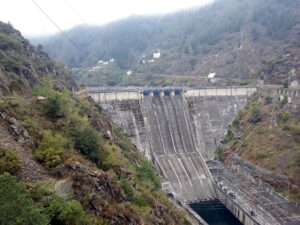
Grandas de Salime, Asturias: municipality guide
Grandas de Salime is a municipality in western Asturias, in the interior of the western comarca. It borders the province of Lugo (Galicia) to the south and west, and the Asturian municipalities of Santa Eulalia de Oscos, San Martín de Oscos, Pesoz and Allande. Its capital is the town of Grandas. With 767 inhabitants and…
-
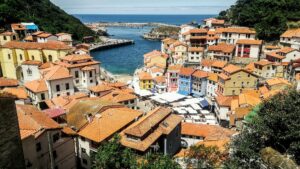
Cudillero, Asturias: municipality guide
Cudillero is a municipality in western Asturias, in the Avilés comarca, famous for its fishing village of houses hung like an amphitheater above the harbor. Its capital is the town of Cudillero and it has 4,867 inhabitants (INE 2025) over an area of 100.78 km². The municipality of Cudillero highlighted in blue (central Asturias) on…
-
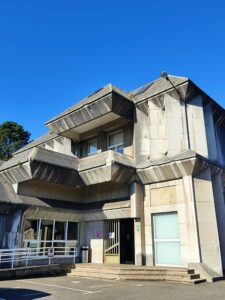
Corvera de Asturias, Asturias: municipality guide
Corvera de Asturias is a municipality in central Asturias, between Avilés and Gijón, marked by its industrial and mining tradition. Its capital is Nubledo, and it has 15,785 inhabitants (INE 2025) over an area of 46.01 km². The municipality of Corvera de Asturias highlighted in blue (central Asturias) on the map of Asturias What to…
-
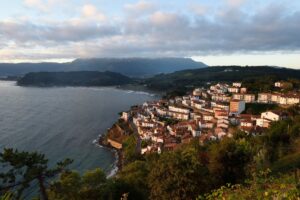
Colunga, Asturias: municipality guide
Colunga is a municipality in eastern Asturias, in the Sidra comarca, between the Sueve mountains and the Cantabrian Sea. Its capital is the town of Colunga, and it has 3,143 inhabitants (INE 2025) over an area of 97.57 km². The municipality of Colunga highlighted in gold (eastern Asturias) on the map of Asturias What to…
-
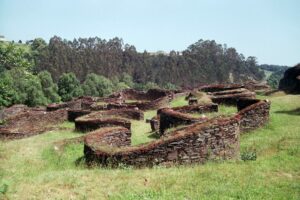
Coaña, Asturias: municipality guide
Coaña is a municipality in western Asturias, in the Eo-Navia comarca, between the Navia estuary and the Cantabrian Sea. Its capital is the town of Coaña, and it has 3,321 inhabitants (INE 2025) over an area of 65.80 km². The municipality of Coaña highlighted in green (western Asturias) on the map of Asturias What to…
-
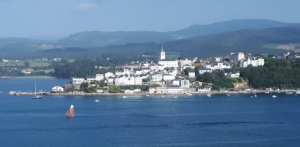
Castropol, Asturias: municipality guide
Castropol is a municipality in western Asturias, in the Eo-Navia comarca, bathed by the Eo estuary that separates it from Galicia. Its capital is the town of Castropol, and it has 3,202 inhabitants (INE 2025) over an area of 125.77 km². The municipality of Castropol highlighted in green (western Asturias) on the map of Asturias…
-
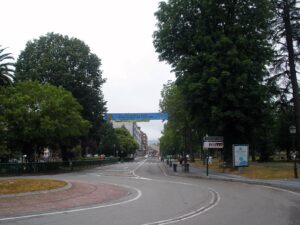
Grado, Asturias: municipality guide
Grado is a municipality in central Asturias, in the Oviedo comarca. Its capital is the town of Grado; it has 9,681 inhabitants (INE 2025) and covers 221.63 km². The municipality of Grado highlighted in blue (central Asturias) on the map of Asturias What to see in Grado The town of Grado. The municipal capital preserves…
-
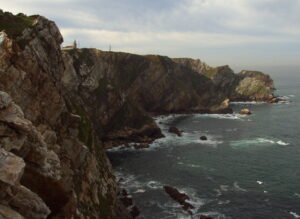
Gozón, Asturias: municipality guide
Gozón is a coastal municipality in central Asturias, in the Avilés comarca. Its capital is the fishing town of Luanco; it has 10,407 inhabitants (INE 2025) and covers 81.72 km². The municipality of Gozón highlighted in blue (central Asturias) on the map of Asturias What to see in Gozón Cape Peñas. The municipality is home…
-
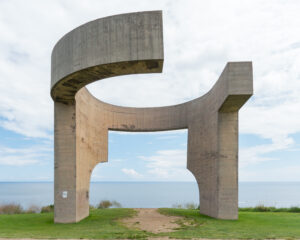
Gijón, Asturias: municipality guide
Gijón is the most populated city in Asturias and the economic engine of the region’s center. Its capital is the city of Gijón itself; it has 269,894 inhabitants (INE 2025) and covers 182.1 km². The municipality of Gijón highlighted in blue (central Asturias) on the map of Asturias What to see in Gijón The Elogio…
-
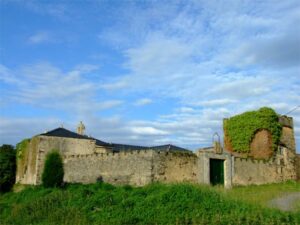
El Franco, Asturias: municipality guide
El Franco is a coastal municipality in western Asturias, in the Eo-Navia comarca. Its capital is La Caridad; it has 3,728 inhabitants (INE 2025) and covers 78.03 km². The municipality of El Franco highlighted in green (western Asturias) on the map of Asturias What to see in El Franco The Arancedo manor-palace. This manor-palace is…
-
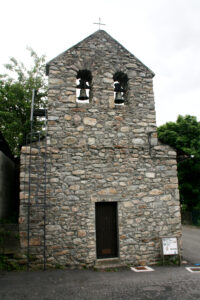
Degaña, Asturias: municipality guide
Degaña is a municipality in southwestern Asturias, in the high Narcea mountains. Its capital is the town of Degaña; it has 768 inhabitants (INE 2025) and covers 87.16 km². The municipality of Degaña highlighted in green (western Asturias) on the map of Asturias What to see in Degaña The Fuentes del Narcea, Degaña and Ibias…
-
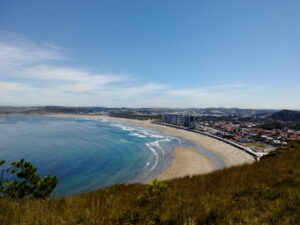
Castrillón, Asturias: municipality guide
Castrillón is a municipality in central Asturias, Spain, on the central coastal strip, in the comarca of Avilés. Its capital is Piedras Blancas. With 21,998 inhabitants and 55.34 km², it is known for Salinas beach, the Arnao Mine and Asturias Airport. The municipality of Castrillón highlighted in blue (central Asturias) on the map of Asturias…
-
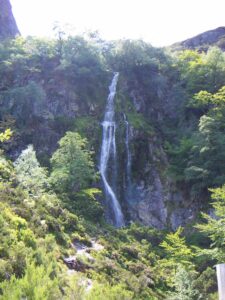
Caso, Asturias: municipality guide
Caso is a municipality in central Asturias, Spain, in the comarca of Nalón, in the heart of the Cantabrian Mountains. Its capital is Campo de Caso (El Campu). With 1,437 inhabitants and 307.8 km², its entire territory forms part of the Redes Natural Park, a biosphere reserve. The municipality of Caso highlighted in blue (central…
-
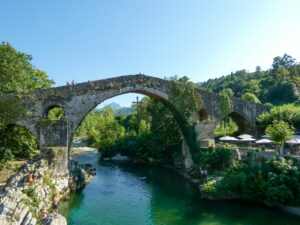
Cangas de Onís, Asturias: municipality guide
Cangas de Onís is a municipality in eastern Asturias, in the Oriente comarca. Its capital is the city of Cangas de Onís, which was the capital of the Kingdom of Asturias until 774. With about 6,340 inhabitants, it is one of the most visited municipalities in Asturias thanks to the Sanctuary of Covadonga and the…
-
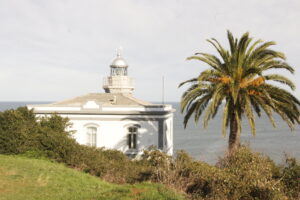
Carreño, Asturias: municipality guide
Carreño is a municipality in central Asturias, Spain, in the comarca of Gijón, 35 kilometres from Oviedo. Its capital is Candás. With 10,292 inhabitants and 66.70 km², it is a coastal municipality known for the fishing town of Candás, its lighthouse and its beaches. The municipality of Carreño highlighted in blue (central Asturias) on the…
-
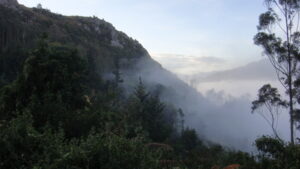
Candamo, Asturias: municipality guide
Candamo is a municipality in central Asturias, in the Avilés comarca and the Camín Real de la Mesa. Its capital is Grullos. With about 1,900 inhabitants, it stands out for the Peña cave, with the most important Paleolithic rock art ensemble in western Asturias, and for the quality of its strawberries. The municipality of Candamo…
-
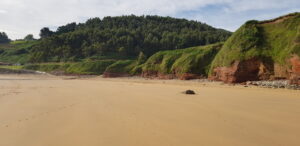
Caravia, Asturias: municipality guide
Caravia is a municipality in eastern Asturias, Spain, on the central-eastern coast of the Principality, 68 kilometres from Oviedo. Its capital is Prado. With 486 inhabitants and 13.36 km², it is one of the smallest municipalities in Asturias, famous for its beaches and cliffs. The municipality of Caravia highlighted in gold (eastern Asturias) on the…
-
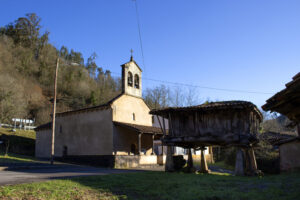
Cabranes, Asturias: municipality guide
Cabranes is a municipality in the Oviedo comarca, part of the Comarca de la Sidra (Cider District) association. Its capital is Santa Eulalia. With about 1,090 inhabitants, it is one of the smallest municipalities in Asturias, known for its pre-Romanesque church of San Julián de Viñón and the Rural School Museum. The municipality of Cabranes…
-
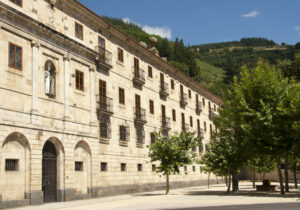
Cangas del Narcea, Asturias: municipality guide
Cangas del Narcea is a municipality in western Asturias, Spain, in the comarca of Narcea, located in the southwest of the Principality. Its capital is the town of Cangas del Narcea. With 11,282 inhabitants and 823.57 km², it is the largest municipality in Asturias, known for the Monastery of Corias, the Muniellos Nature Reserve and…
-
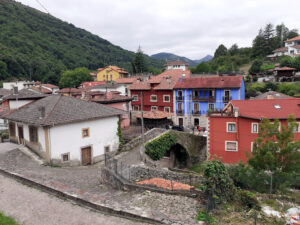
Cabrales, Asturias: municipality guide
Cabrales is a municipality in eastern Asturias, in the Eastern Asturias comarca. Its capital is Carreña, although the largest town is Arenas. With about 1,880 inhabitants, it is the municipality with the most rugged terrain in Asturias, with half of its territory in the Central Massif of the Picos de Europa. The municipality of Cabrales…
-
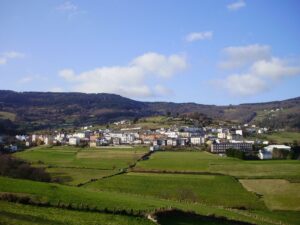
Boal, Asturias: municipality guide
Boal is a municipality in western Asturias, in the Eo-Navia comarca. Its capital is the town of Boal. With about 1,370 inhabitants, it is a mid-mountain territory crossed by the Navia river, with important pre-Roman hillforts and a renowned beekeeping tradition. The municipality of Boal highlighted in green (western Asturias) on the map of Asturias…
-
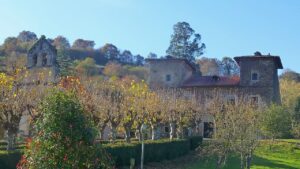
Bimenes, Asturias: municipality guide
Bimenes is a municipality in east-central Asturias, in the Pra river valley. Its capital is Martimporra, 32 kilometres from Oviedo. With 1,639 inhabitants, it preserves an important heritage of palaces and manor houses and a strong cultural identity, with the Fiesta de la Oficialidá every summer. The municipality of Bimenes highlighted in blue (central Asturias)…
-
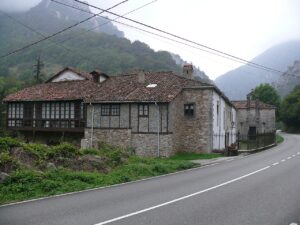
Belmonte de Miranda, Asturias: municipality guide
Belmonte de Miranda is a municipality in western Asturias, in the Pigüeña river valley. Its capital is Belmonte. With 1,366 inhabitants, it is a land of vaqueiros, hillforts and Roman gold mines, with very well-preserved nature connecting to the Somiedo Natural Park. The municipality of Belmonte de Miranda highlighted in blue (central Asturias) on the…
-
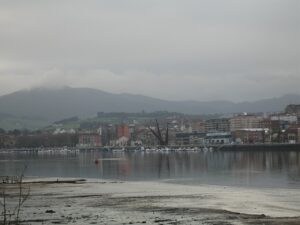
Aviles, Asturias: municipality guide
Aviles is a municipality in central Asturias, on the Cantabrian coast, shaped around its estuary. Its capital is the town of Aviles, the third city of Asturias. With 75,517 inhabitants, it combines a historic quarter declared a historic-artistic ensemble with a strong industrial tradition and a vibrant cultural life. The municipality of Avilés highlighted in…
-
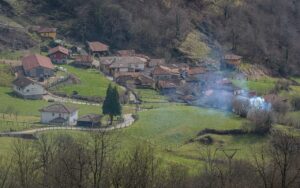
Amieva, Asturias: municipality guide
Amieva is a municipality in eastern Asturias, in the Oriente Asturiano area, crossed by the Sella river. Its capital is Sames. With 591 inhabitants, it combines the fertile valleys of the Sella and Ponga rivers with the gorges of the Dobra and the foothills of the Western Massif of the Picos de Europa. The municipality…
-
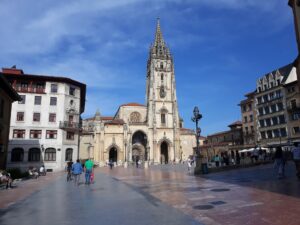
What to see in Oviedo: complete guide to the Asturian capital
«Oviedo is like a fairy tale,» said Woody Allen, who even has a statue in the city. And he wasn’t exaggerating: founded in the 8th century as the capital of the Kingdom of Asturias, Oviedo combines a stately old town, the finest pre-Romanesque art in Europe, a gastronomy that takes itself very seriously, and the…
-
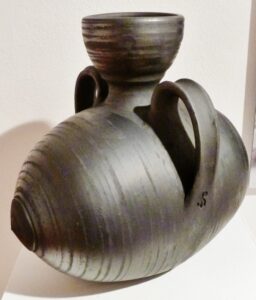
The black pottery of Llamas del Mouro
In the west of Asturias, in the parish of San Martín de Sierra, in the municipality of Cangas del Narcea, the small village of Llamas del Mouro keeps one of the most unique craft traditions of the Iberian Peninsula: black pottery. 22 kilometres from the capital of the municipality, this corner has taken its clay…
-
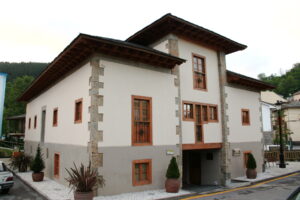
Roman gold in Asturias: Navelgas and the western mines
The south-west of Asturias hides one of the most fascinating mining stories of the Iberian peninsula: two thousand years ago, Rome extracted gold here in large quantities. Today, in Navelgas (Tineo), known as the «Valley of Gold», that past is still alive in the Museo del Oro de Asturias, the Ruta de la Huella del…
-
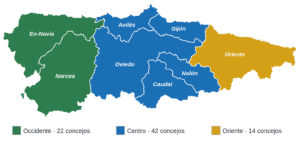
The 78 municipalities of Asturias: the complete map
Asturias is territorially organized into 78 concejos, the traditional Asturian name for municipalities. This is the base map of this website: little by little we will publish a special dedicated to each of them, and this article will be the index from which to link them all. To organize the tour we divide the Principality…
-
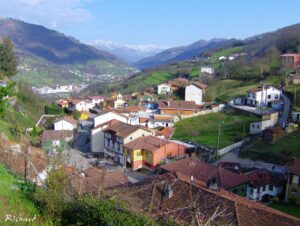
Aller, Asturias: municipality guide
Aller is a municipality in central Asturias, in the Caudal comarca. Its capital has been Cabañaquinta since 1869. With just over 10,000 inhabitants, it combines high mountain landscapes —with the San Isidro pass— and an important mining past. The municipality of Aller highlighted in blue (central Asturias) on the map of Asturias What to see…
-
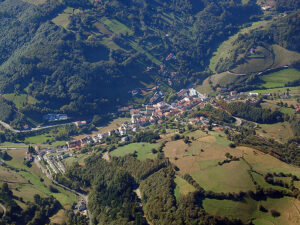
Allande, Asturias: municipality guide
Allande is a municipality in western Asturias, part of the Narcea comarca. Its capital is Pola de Allande (La Puela). It is one of the largest municipalities in the region —339.37 km²— and one of the least populated, with about 1,500 inhabitants. The municipality of Allande highlighted in green (western Asturias) on the map of…
-

Moscovitas: Oviedo’s most famous sweet
Some sweets you eat and some sweets you remember. Moscovitas belong to the second kind: fine almond pastries coated in chocolate that have been sweetening Oviedo for almost a century and have become its most famous gastronomic souvenir. Their name is a registered trademark and their recipe a family secret now in its fourth generation.…