Caravia, Asturias: municipality guide
Caravia is a municipality in eastern Asturias, Spain, on the central-eastern coast of the Principality, 68 kilometres from Oviedo. Its capital is Prado. With 486 inhabitants and 13.36 km², it is one of the smallest municipalities in Asturias, famous for its beaches and cliffs.
What to see in Caravia
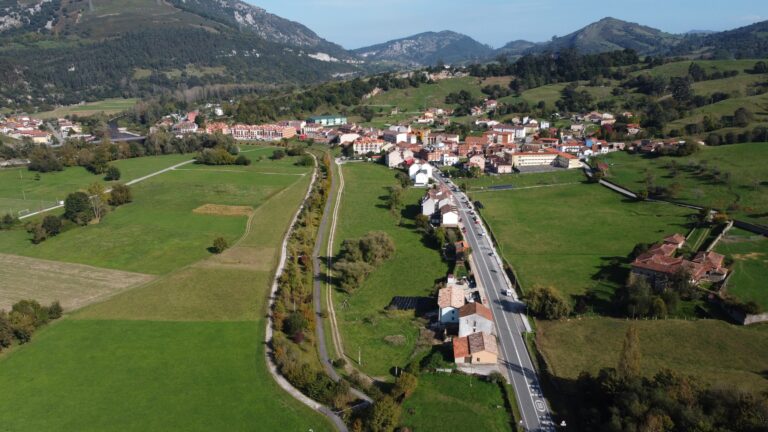
Caravia is the third-smallest municipality in Asturias: just 13.36 km² tucked between the Cantabrian Sea to the north and the Sierra del Sueve to the south. It borders Parres to the south, Ribadesella to the east and Colunga to the west. The municipality is organised into two parishes, Caravia Alta, inland, home to the capital, Prado, and Caravia Baja, by the coast.
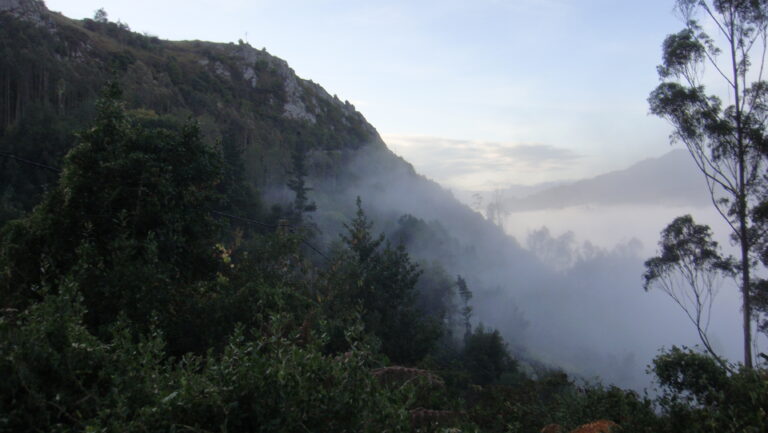
The south of the municipality, dominated by the Sierra del Sueve, is part of the Sierra del Sueve Protected Landscape, a natural area of great ecological and scenic value. The sierra gives the interior its green, mountainous character, in contrast to the seafaring atmosphere of the coast, and it is one of the most distinctive natural settings in eastern Asturias.
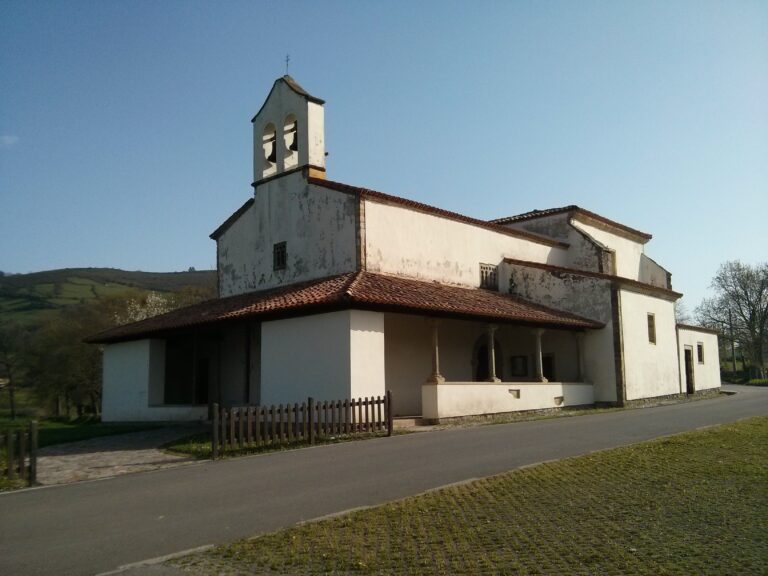
The jewel of the religious heritage is the church of Santiago, built in the 17th century and later remodelled, which preserves a stone plaque bearing the Cruz de la Victoria (Victory Cross), the symbol of the Principality of Asturias.
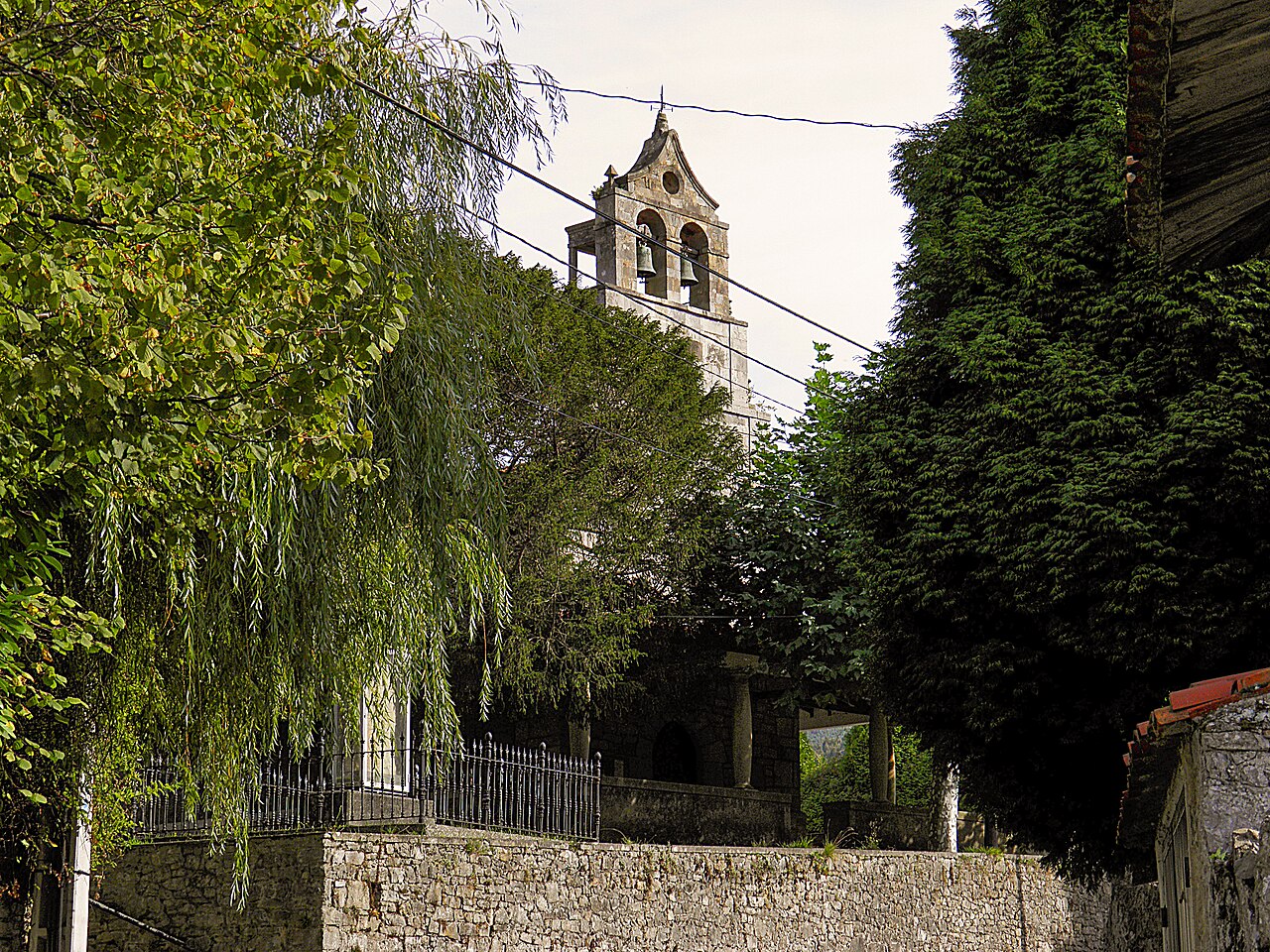
Notable civil heritage includes the González Cutre house, in Prado; the Manjón Palace, in Carrales, from the 18th century; and indiano architecture, represented by Villa Concha and Villa Rosario, the latter built around 1920 — a testament to Asturian emigration to America and to the splendour of the indianos.
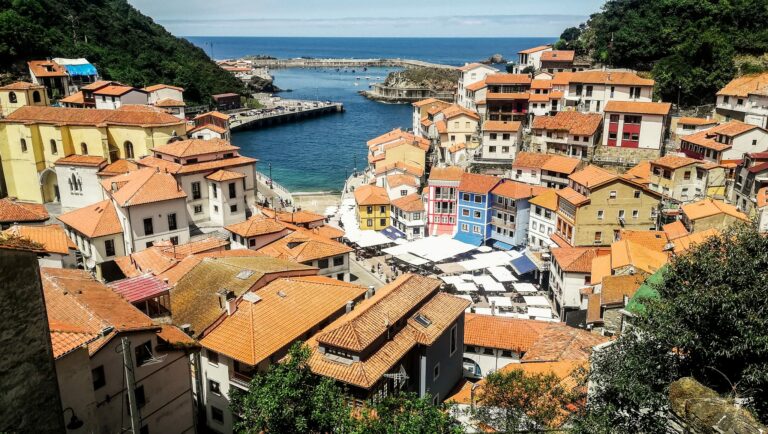
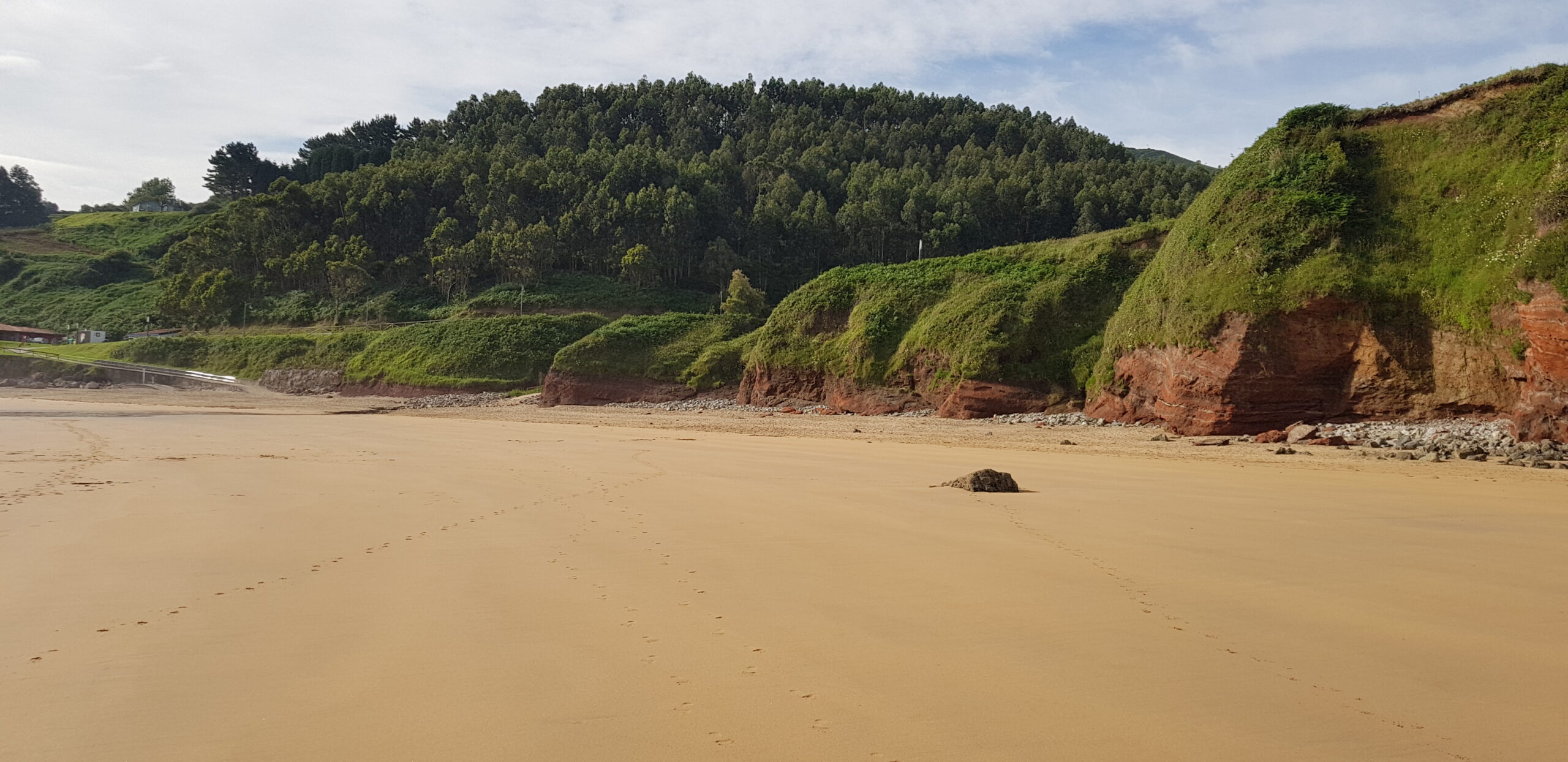
The coastline is Caravia’s main attraction. Its beaches —La Espasa, the Arenal de Morís, El Pozo de las Pipas, El Viso and Beciella— combine sand, cliffs and a very well-preserved natural setting. These are quiet beaches, ideal for swimming, walking and contemplating the Cantabrian Sea, and they form one of the most attractive coastlines in eastern Asturias.
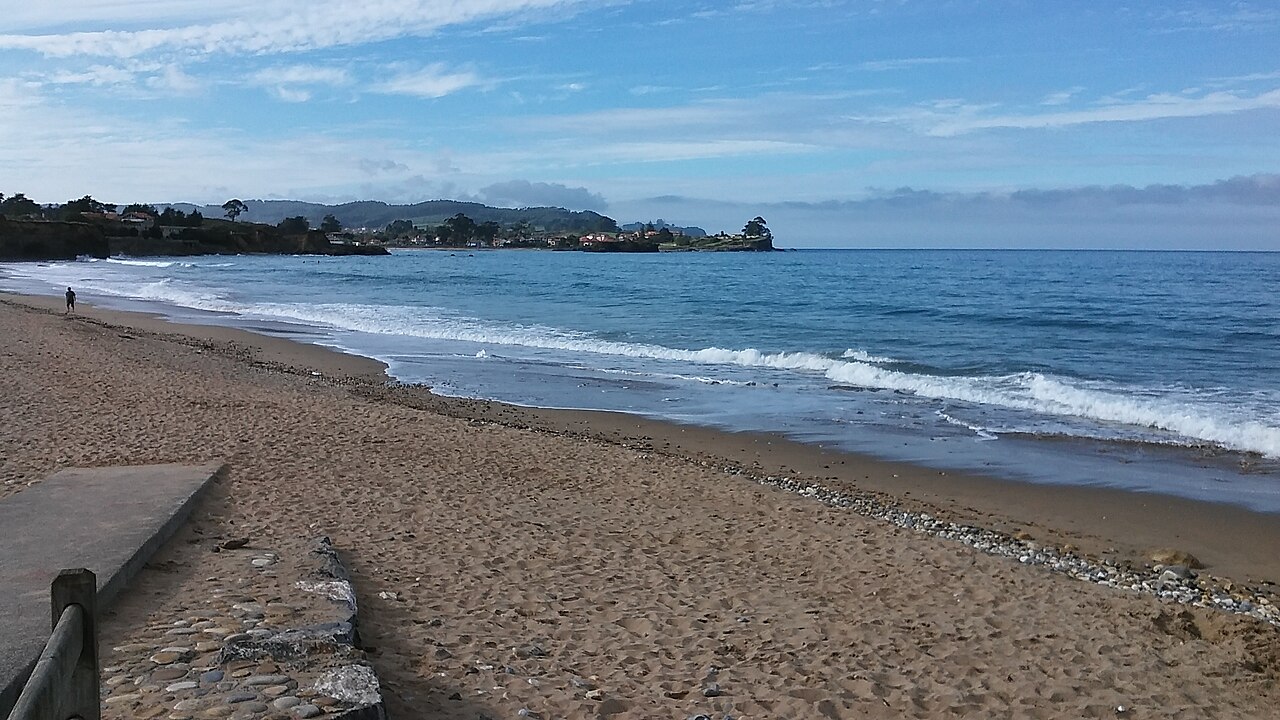
Camino de Santiago: the Camino del Norte — a UNESCO World Heritage site — enters Caravia at the Arroyo de La Régula and passes the Arenal de Morís, La Espasa beach and Duesos, with its church of Santiago.
Getting there
Caravia is reached via the N-632 road, which runs along the Cantabrian coast, and the AS-260, which links Colunga with Arriondas and connects the municipality with the interior. In addition, the A-8 motorway provides easy connections with the rest of Asturias and Spain. The municipality lies about 68 kilometres from Oviedo, making it a comfortable getaway from both the capital of the Principality and the eastern coast.
Municipality map: data © OpenStreetMap (ODbL). Own rendering, no Google, no cookies.
Festivals and gastronomy
Caravia’s festive calendar combines countryside pilgrimages and patronal celebrations shared between Caravia Alta and Caravia Baja. Highlights include the Jira campestre de La Forquita, a country pilgrimage held on Easter Saturday; the feast of Santiago Apóstol (St James), on the last Sunday of July in Caravia Baja; Nuestra Señora de la Consolación (Our Lady of Consolation), on the first Sunday of September in Caravia Alta; and the foguera de La Espasa, a bonfire lit on the beach on the Saturday closest to San Juan (Midsummer).
Municipality data
- Capital: Prado
- Population: 486 inhabitants (INE 2025)
- Area: 13.36 km²
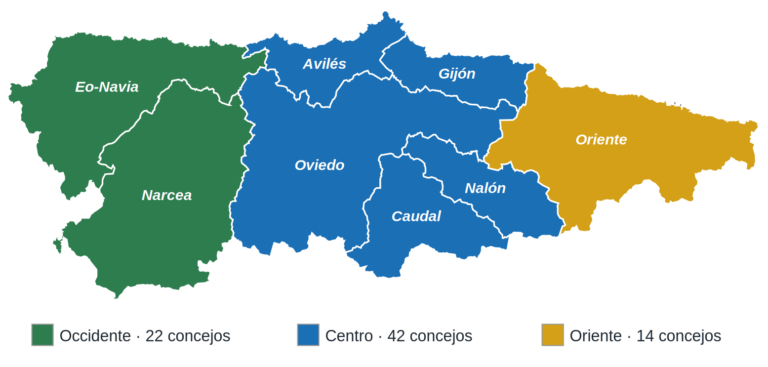
- Zone: East
- Demonym: caraviense
- Town Council phone: 985 85 30 05
- Address: Calle del Ayuntamiento, 9 — 33344 Prado (Caravia la Alta)
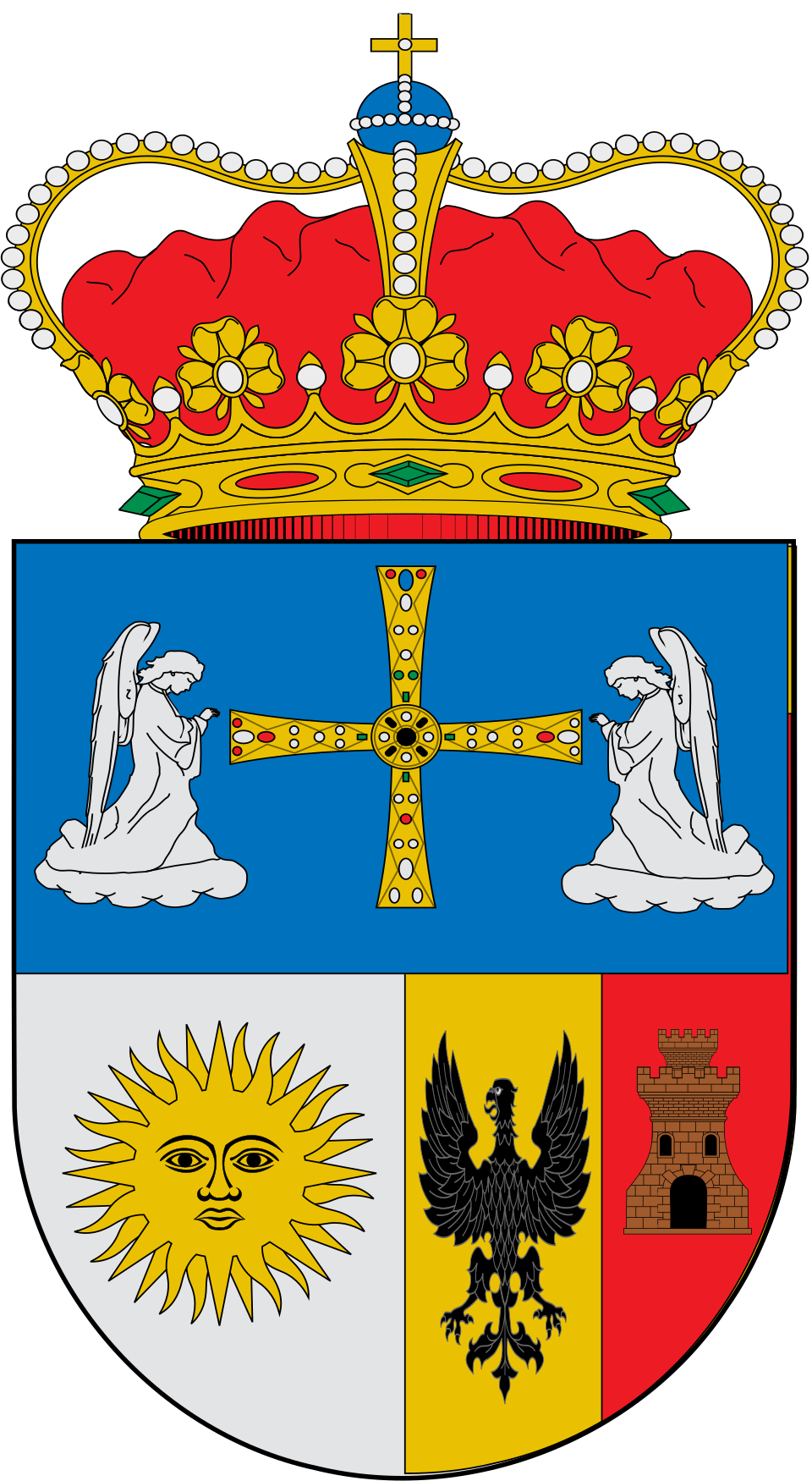
Coat of arms: Wikimedia Commons / SanchoPanzaXXI (CC BY-SA 4.0)
Neighbouring municipalities
Useful links
Want to correct or expand this information? Contact us.
See on the interactive map: The 78 municipalities of Asturias