Oviedo, Asturias: municipality guide
Oviedo is the capital of the Principality of Asturias and its most populous municipality: 223,968 inhabitants on 186.65 km². The city —Uviéu in Asturian— was founded in 761 by the monks Máximo and Fromestano, and it is the birthplace of the Camino de Santiago: in 834 King Alfonso II the Chaste set out from here towards Compostela on what is considered the first Jacobean pilgrimage in history, the origin of the Camino Primitivo.
Things to see in Oviedo
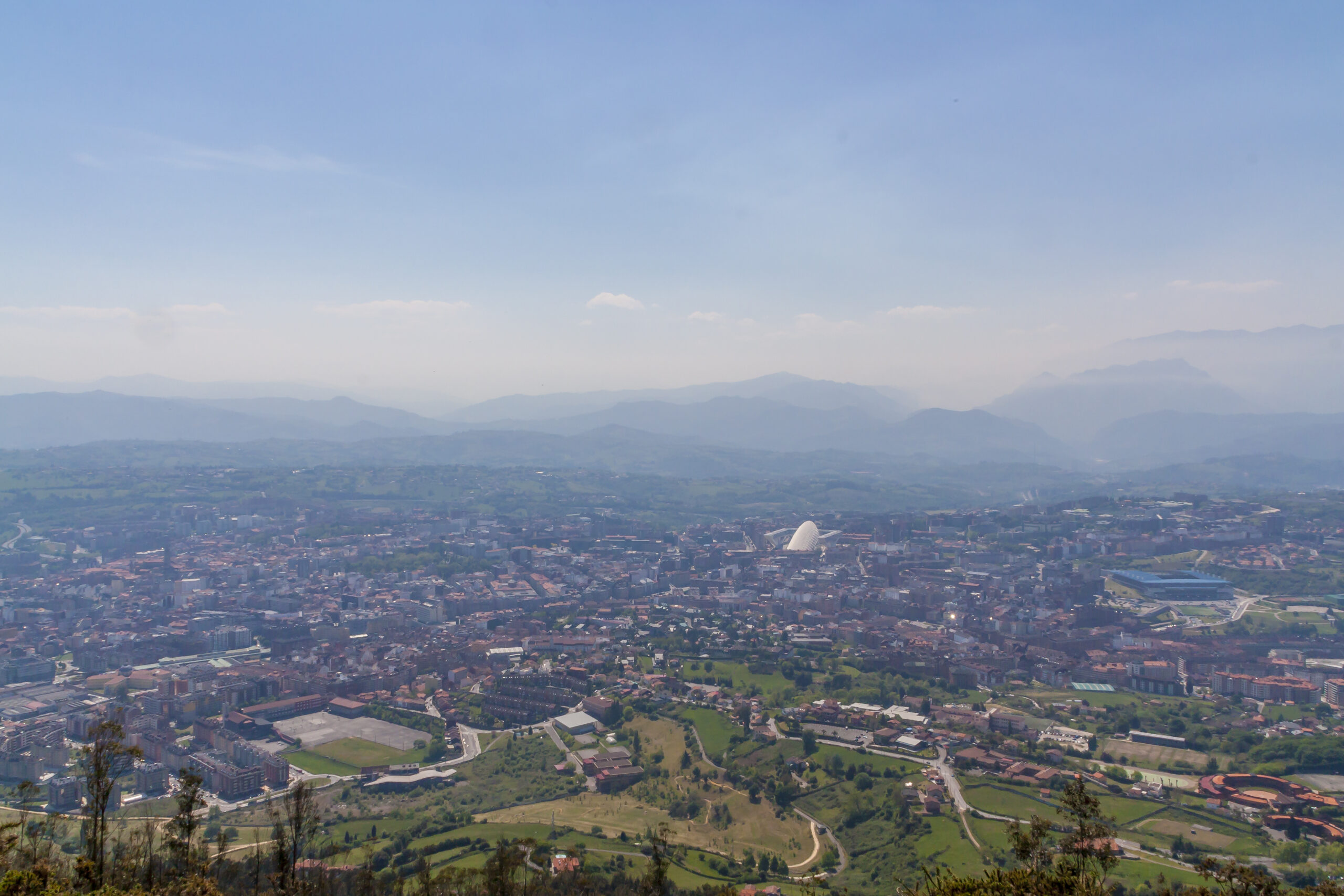
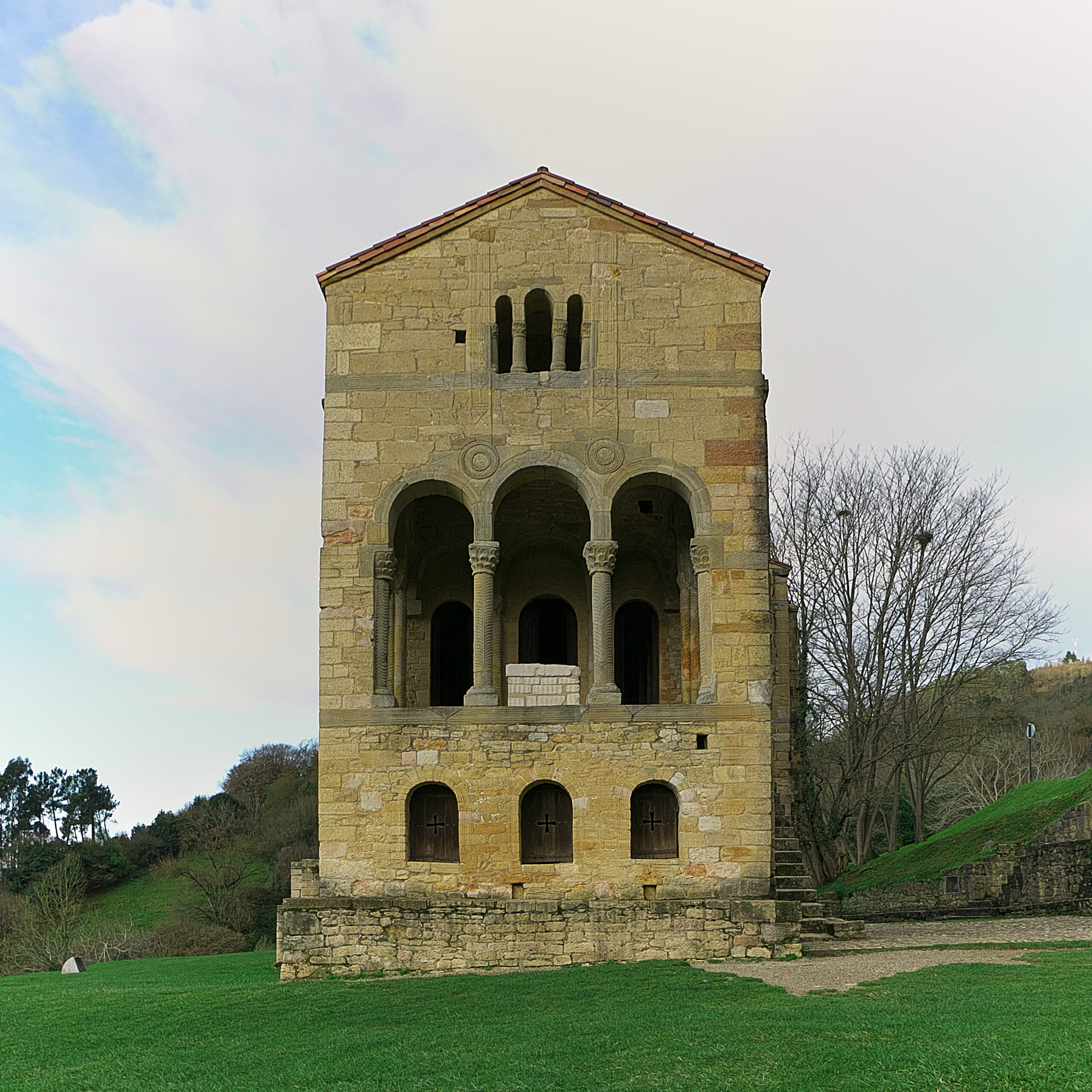
Mount Naranco is the city’s natural viewpoint. On its slopes stand the jewels of Asturian Pre-Romanesque art: Santa María del Naranco, the royal hall (aula regia) that King Ramiro I had built in the 9th century, and San Miguel de Lillo, among the monuments of Oviedo declared a UNESCO World Heritage site. From the summit, the panorama takes in the whole city with the Cantabrian Mountains behind.
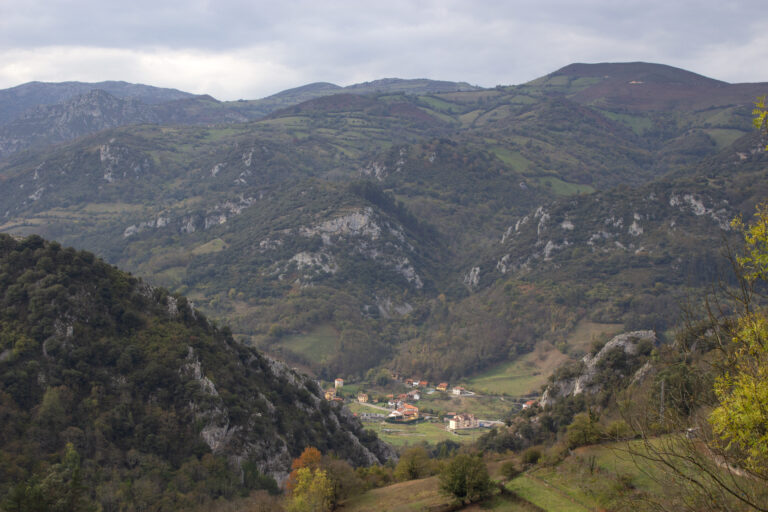
The city itself —the cathedral of San Salvador with its Cámara Santa, the old town, the Pre-Romanesque fountain of La Foncalada— is covered in detail in the Oviedo city guide. The municipality, however, goes far beyond the urban: its 30 parishes form a rural territory of valleys and high pastures between the Nalón, Nora and Trubia rivers.
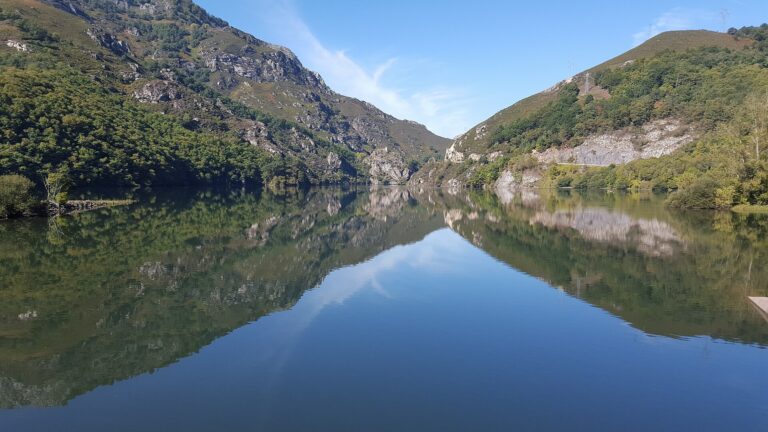
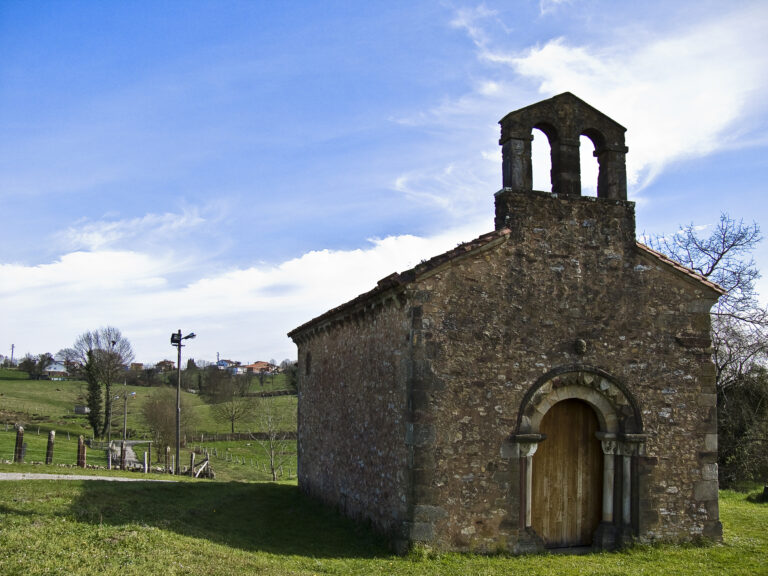
Trubia, west of the municipality, is the great historic industrial hub, with its old Arms Factory and the Trubia river gorge as its natural setting. And parishes such as Limanes, Faro or Santa Ana de Abuli make for a pleasant rural setting for strolling, visiting monuments and cider gastronomy.
Camino de Santiago: Oviedo is kilometre zero of the Jacobean route: the Camino Primitivo —a UNESCO World Heritage site— starts here, and the Camino del Salvador, arriving from León over the port of Pajares, ends here. Pilgrims on the Camino del Norte also frequently detour to the cathedral of San Salvador, following the old saying: «quien va a Santiago y no al Salvador, visita al criado y no al Señor» (whoever goes to Santiago and not to the Saviour visits the servant and not the Lord).
How to get there
Oviedo is the great communications hub of Asturias: the A-66 motorway (Ruta de la Plata) links it with Gijón, León and Madrid; the A-8 connects it with the Cantabrian coast; and the railway and bus stations offer commuter, regional and long-distance connections.
Festivals and gastronomy
The patronal festivals are those of San Mateo, on 21 September, with concerts and open-air dances in the city centre. The Martes de Campo, or La Balesquida, a tradition dating back to the 13th century, fills the Campo de San Francisco park with ovetenses celebrating «la fiesta del bollu preñáu» (the chorizo-stuffed bread roll festival) with cider and wine. And every 19 October comes El Desarme, a Festival of National Tourist Interest, with its unchanging menu: chickpeas with cod and spinach, callos a la asturiana (Asturian-style tripe) and rice pudding. Also ruling the Oviedo table: fabada (bean stew), bollu preñáu, cider and, for dessert, the carbayones, the almond-and-egg-yolk puff pastry named after the nickname of the people of Oviedo.
Municipality facts

Coat of arms: Wikimedia Commons (free license)
- Capital: Oviedo
- Population: 223,968 inhabitants (INE 2025)
- Area: 186.65 km²
- Zone: Central
- Demonym: ovetense
- Town Hall: Plaza de la Constitución, 1, 33071 Oviedo. Tel. +34 984 08 38 00
Neighbouring municipalities
Useful links
Want to correct or expand this information? Contact us.
See it on the interactive map: The 78 municipalities of Asturias