Gijón, Asturias: municipality guide
Gijón is the most populated city in Asturias and the economic engine of the region’s center. Its capital is the city of Gijón itself; it has 269,894 inhabitants (INE 2025) and covers 182.1 km².
What to see in Gijón
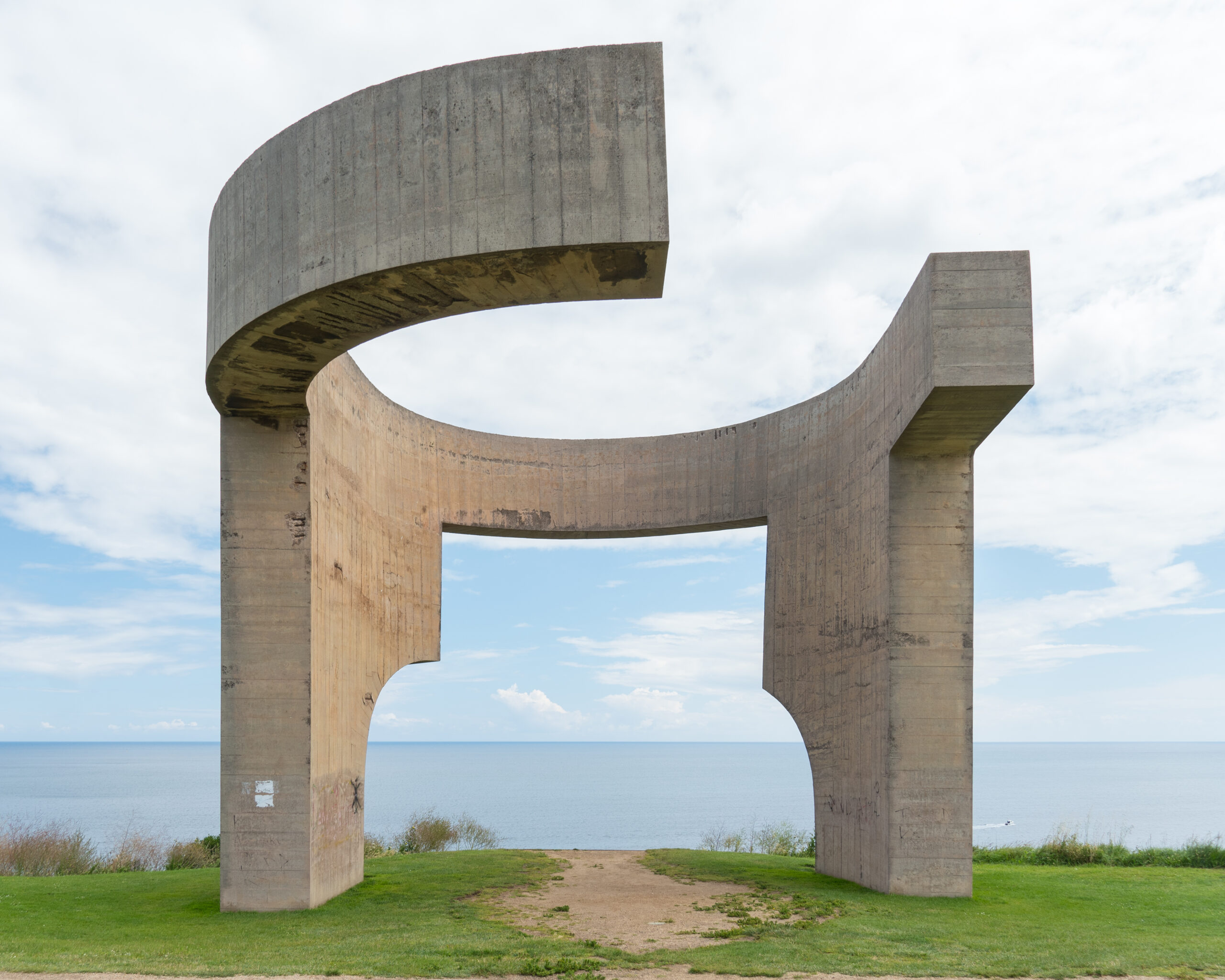
The Elogio del Horizonte. Eduardo Chillida’s sculpture (1990) overlooks the Cantabrian Sea from Santa Catalina hill, at the tip of Cimadevilla. It is the city’s contemporary symbol and one of the most visited viewpoints in Asturias, with the sea breaking at its feet.
San Lorenzo beach. The quintessential urban sandy beach, flanked by the seafront promenade and San Pedro church, is the heart of Gijón’s leisure. At low tide it spreads its golden sand right in the center; at high tide, the Cantabrian Sea laps the promenade wall.
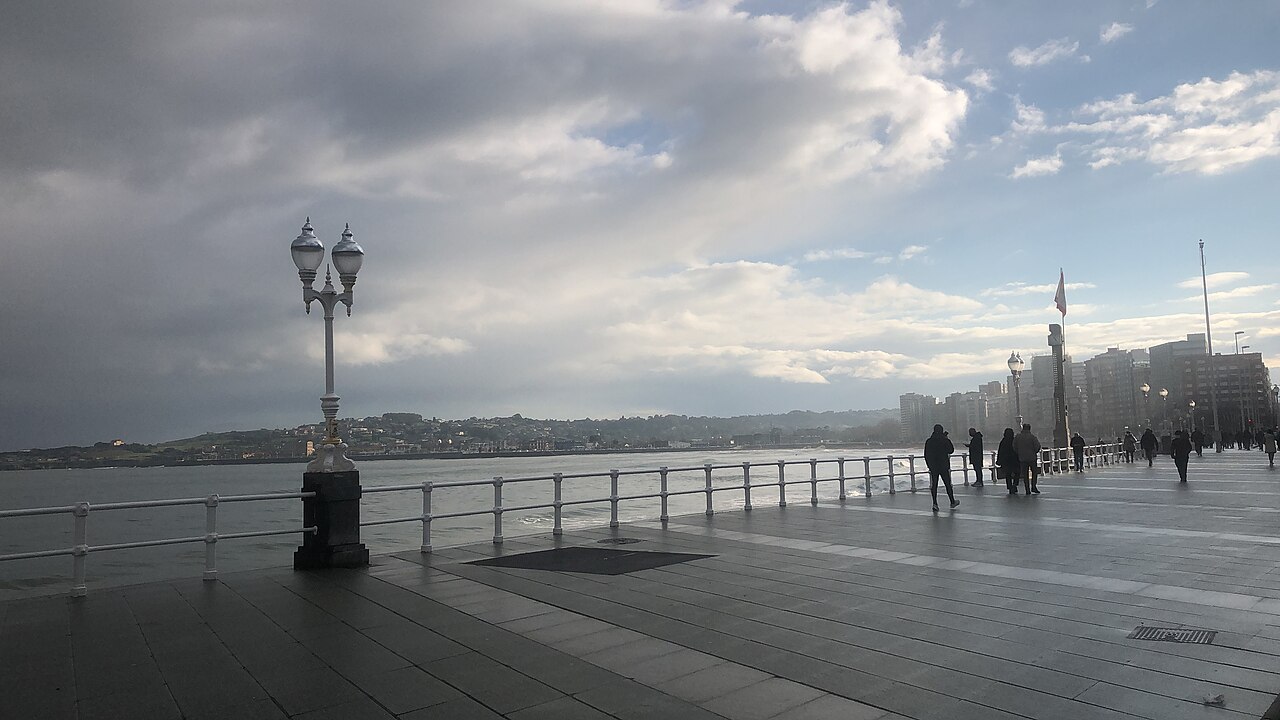
Photo: Wikimedia Commons / MorMarta (CC BY-SA 4.0)
The Universidad Laboral. Built in 1955, it is Gijón’s most representative building and now houses the City of Culture, with museums, a theater and the viewpoint atop its tower. Its courtyard and church form one of the most unique architectural works of 20th-century Spain.
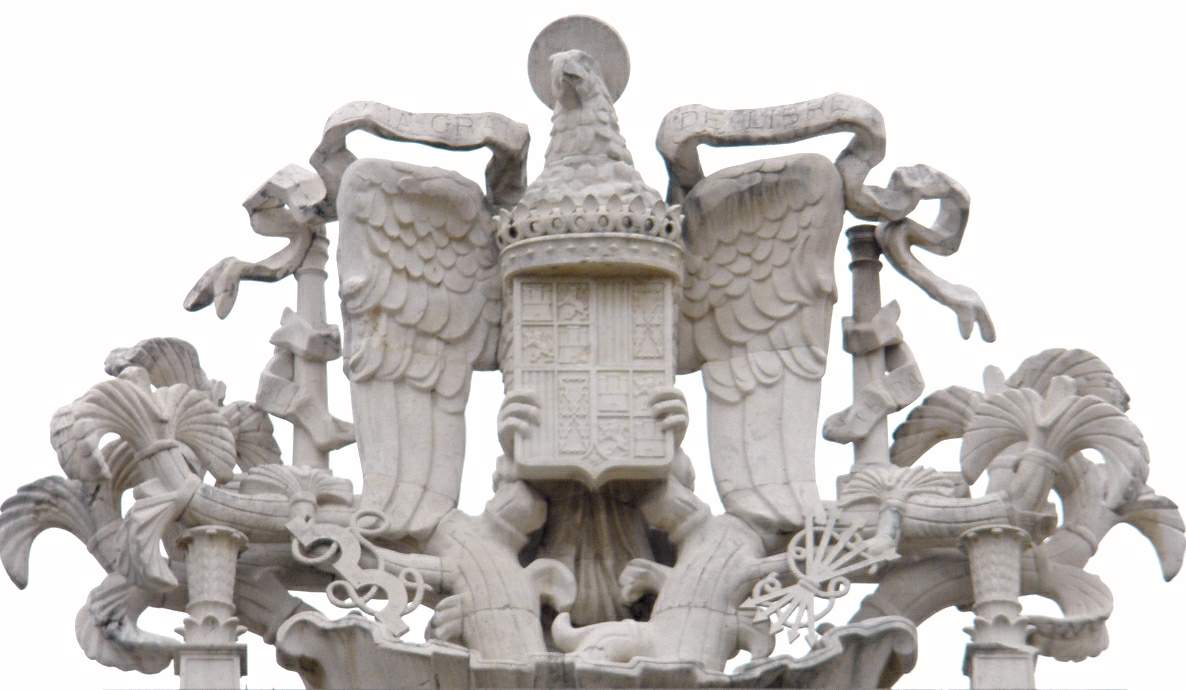
Photo: Wikimedia Commons / Zarateman (CC0)
Cimadevilla. The historic quarter, between the marina and Santa Catalina hill, preserves the Plaza Mayor with the town hall, the Revillagigedo palace (18th century) and the Clock Tower. Its alleyways of cider houses are the seafaring soul of the city.
The Atlantic Botanical Garden. Dedicated to the flora of the North Atlantic, it brings together woodlands, historic gardens and a large plant collection. Along with the Aquarium, dedicated to Cantabrian marine life, it is one of the city’s great nature proposals.
Gijón’s archaeology. The Roman Baths of Campo Valdés, the Roman Villa of Veranes and the Campa Torres archaeological park recall that Gijón was an important Roman enclave. The Museum of the Asturian People completes the journey through the region’s history and ethnography.
Camino de Santiago: the Camino del Norte — a UNESCO World Heritage site — crosses the municipality of Gijón on the Ribadesella–Gijón and Gijón–Avilés stages.
Getting there
Gijón is the great communications hub of central Asturias: the A-8 (Cantabrian) and A-66 (Ruta de la Plata) motorways meet in the city, along with the AS-I, AS-II and N-632. It lies 28 kilometers from Oviedo and 26 from Avilés. The railway station receives commuter (Cercanías), regional (Media Distancia) and long-distance (Alvia) trains, and Asturias Airport, in Castrillón, is 38 kilometers away.
Municipality map: data © OpenStreetMap (ODbL). Own rendering, no Google, no cookies.
Festivals and gastronomy
The main festivities are San Pedro (29 June, the city’s patron) and the Semana Grande, around 15 August, with the Danza Prima on San Lorenzo beach and the Restallón. On the last weekend of August the Fiesta de la Sidra Natural (Natural Cider Festival) is held, of Regional Tourist Interest, with the massive simultaneous cider pouring on Poniente beach. Gijón’s table is never without fabada with its compango, Cantabrian fish and seafood —such as chopa a la sidra or sea urchins—, pitu de caleya and desserts like arroz con leche, tarta gijonesa or princesitas.
Municipality data
- Capital: Gijón
- Population: 269,894 inhabitants (INE 2025)
- Area: 182.1 km²
- Zone: Center
- Demonym: gijonés, -a (playu, -a)
- Parishes: 22
- Town Council phone: 985 18 11 05
- Address: Plaza Mayor, 1 — 33201 Gijón
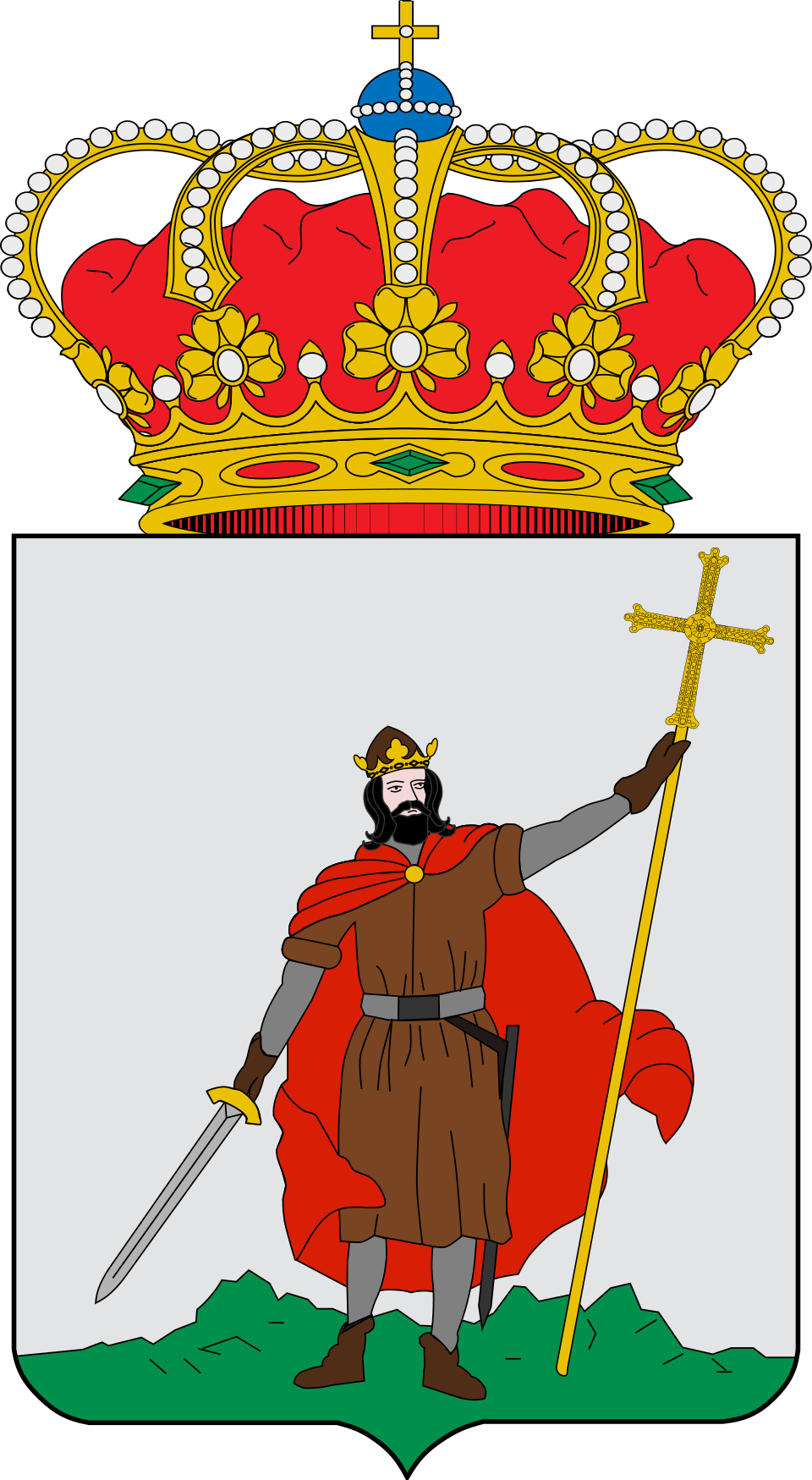
Coat of arms: Wikimedia Commons / SanchoPanzaXXI (CC BY-SA 4.0)
Neighbouring municipalities
Useful links
Want to correct or expand this information? Contact us.
See on the interactive map: The 78 municipalities of Asturias