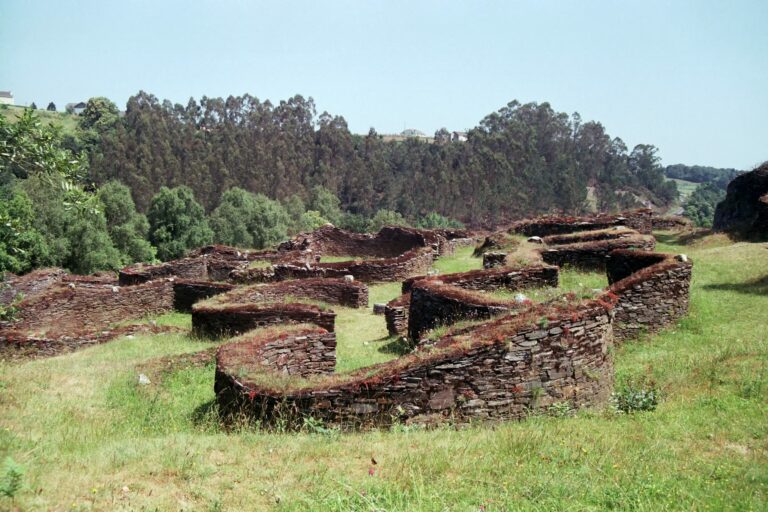
Villaviciosa, Asturias: municipality guide
Villaviciosa is one of the most complete municipalities in Asturias: 15,379 inhabitants on 276.23 km² in the central zone, with the largest estuary of the region bathing its northern coast. Its capital is the town of Villaviciosa, founded on 17 October 1270 by Alfonso X. A land of apple orchards and cider, of Romanesque and pre-Romanesque art, of fishing port and Camino de Santiago: its people are called maliayos.
Things to see in Villaviciosa
The town of Villaviciosa, capital of the municipality, keeps the flavour of a small historic city: the Romanesque church of Santa María de la Oliva and the Town Hall square are its urban landmarks. Beyond the town, apples set the tone of the landscape: Villaviciosa is the cider capital of Asturias, with the El Gaitero cider works, which can be visited.
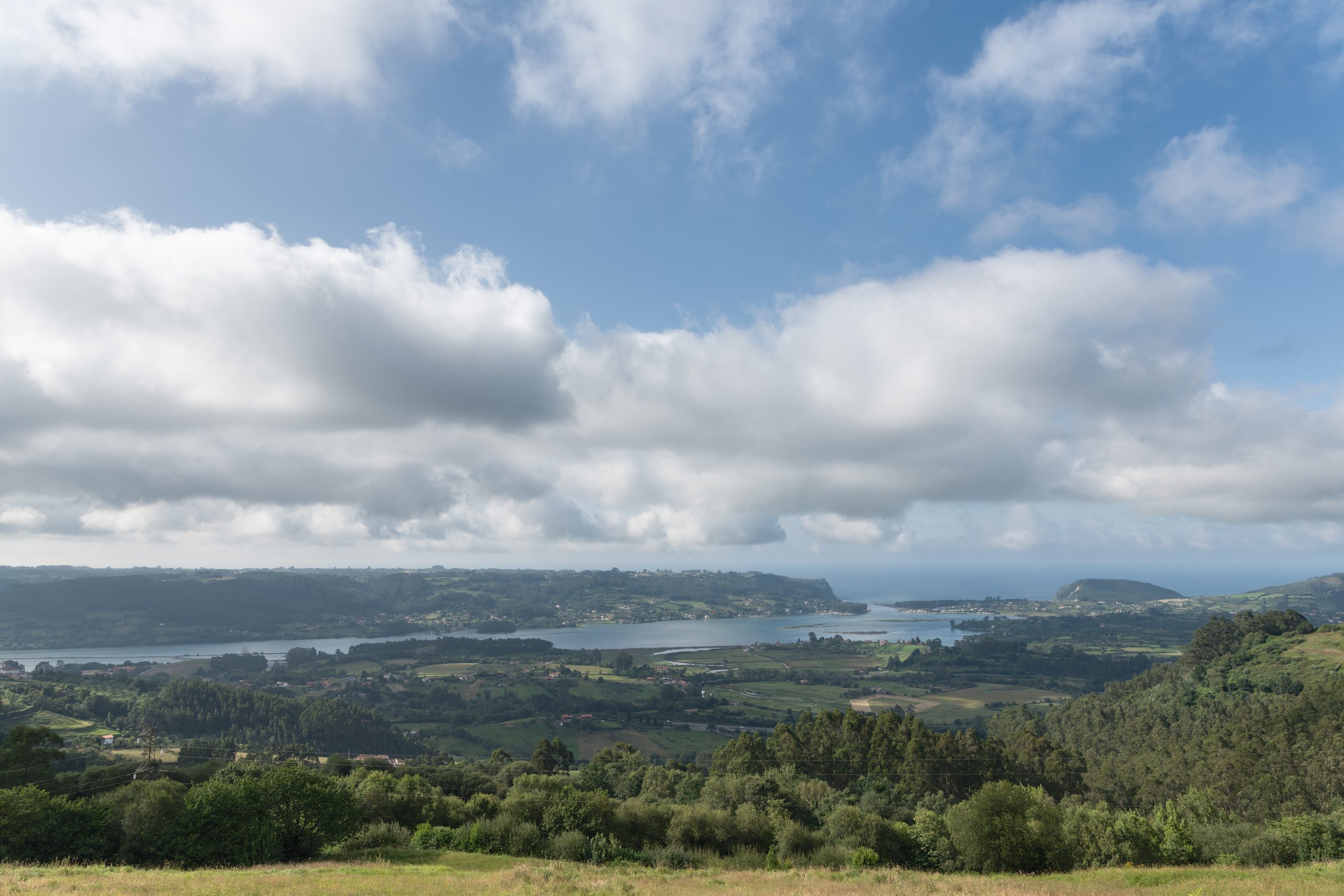
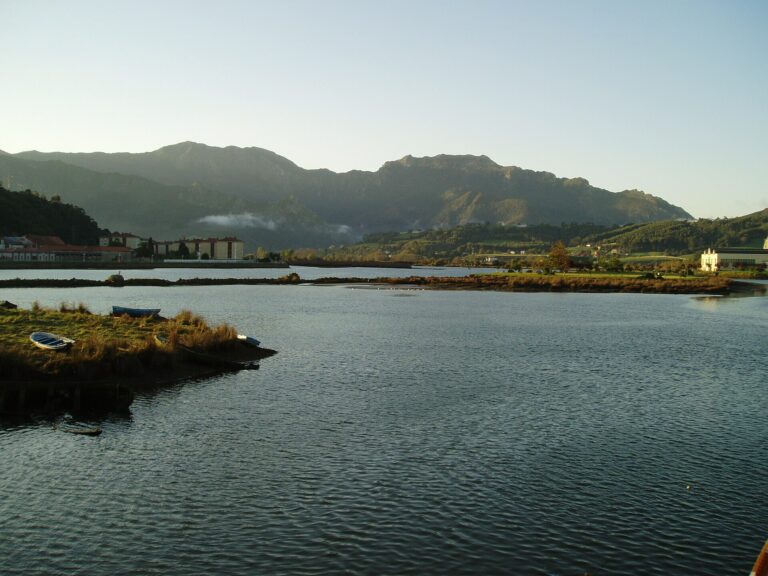
The Villaviciosa estuary, the largest in Asturias, is a natural area of enormous value: its salt marshes and sandbanks are a refuge for birds. At its mouth lie Rodiles beach, a surfing landmark on the Cantabrian coast, and Misiego beach.
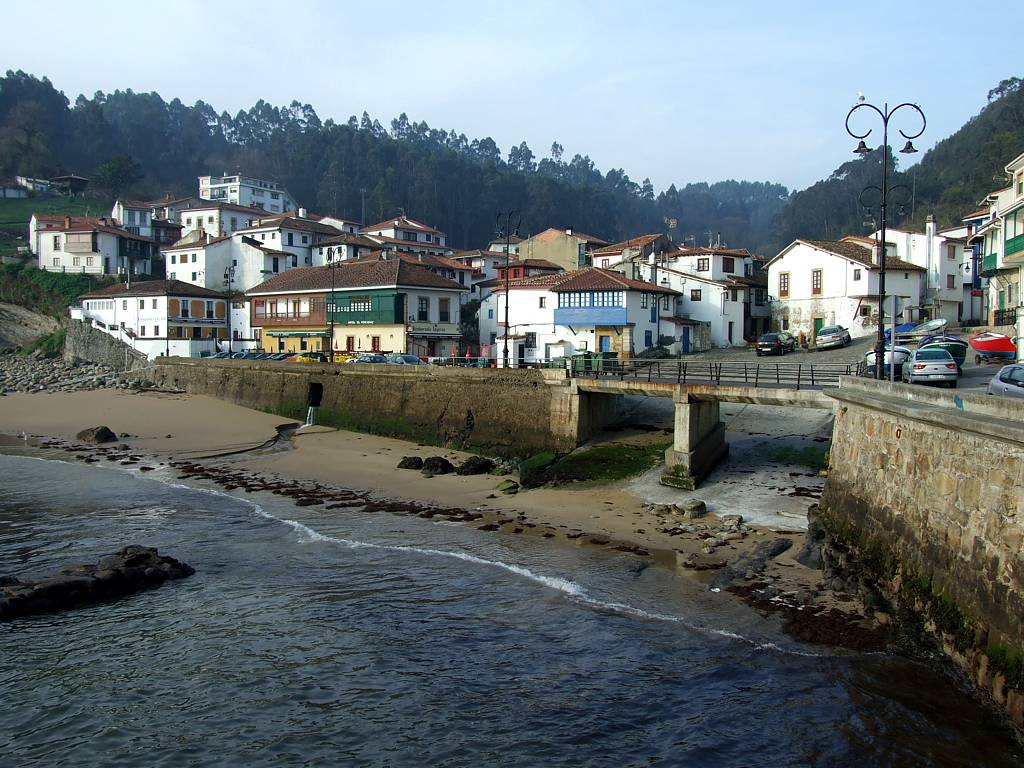
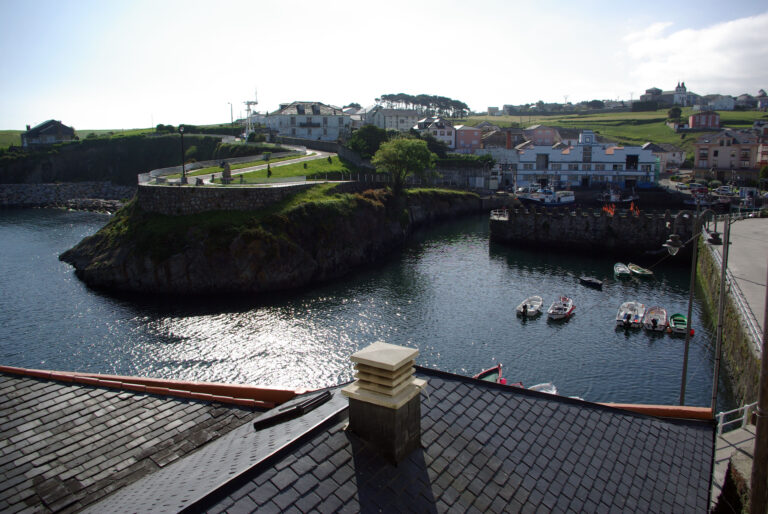
The port of Tazones is one of the prettiest fishing villages in Asturias: colourful houses beside a tiny harbour. Charles I landed here in 1517, on his first voyage to Spain.
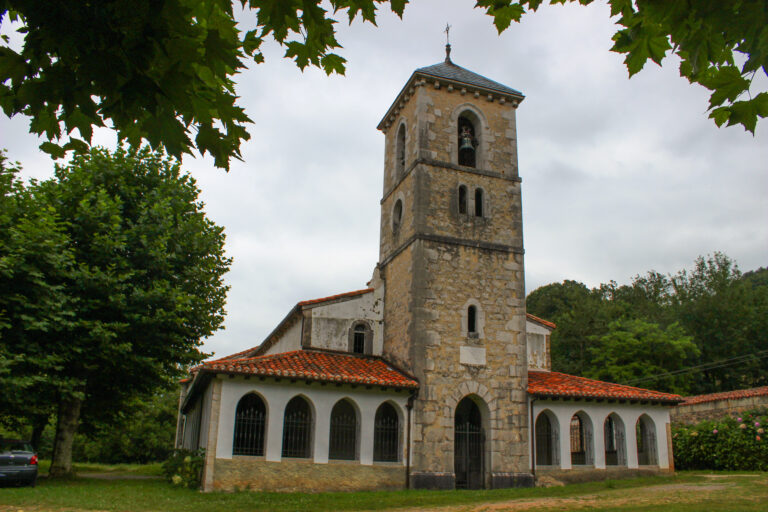
The inland area holds an exceptional religious heritage: the pre-Romanesque church of San Salvador de Valdediós, in Puelles; and the Romanesque churches of Santa María de la Oliva, San Juan de Amandi and Santa María de Lugás. Also worth a visit are the village of Sietes and the Holy Week of Villaviciosa, one of the oldest in Asturias.
Camino de Santiago: the Camino del Norte, the official Jacobean route of the Cantabrian coast, crosses the municipality: it enters through Priesca, passes Sebrayo and the town of Villaviciosa, and continues towards Casquita and Amandi in the direction of Colunga.
How to get there
The A-8 motorway (Autovía del Cantábrico) reaches Villaviciosa from the east, where it meets the A-64 that connects with Oviedo. There are regular ALSA bus lines to Gijón and Oviedo from the Villaviciosa bus station.
Festivals and gastronomy
The main festivals are those of El Portal, in the second week of September, in honour of Nuestra Señora del Portal, patron saint of the town: the Danza del Portal, the Regional Natural Cider Competition (Concurso Regional de Sidra Natural) and the Cider Pourers’ Competition (Concurso de Escanciadores) fill the calendar. The maliaya Holy Week, one of the oldest in Asturias, and the biennial Apple Festival (Festival de la Manzana), declared a Festival of Regional Tourist Interest, complete the year. On the table, cider is the star: El Gaitero was born here, and its cider works can be visited.
Municipality facts
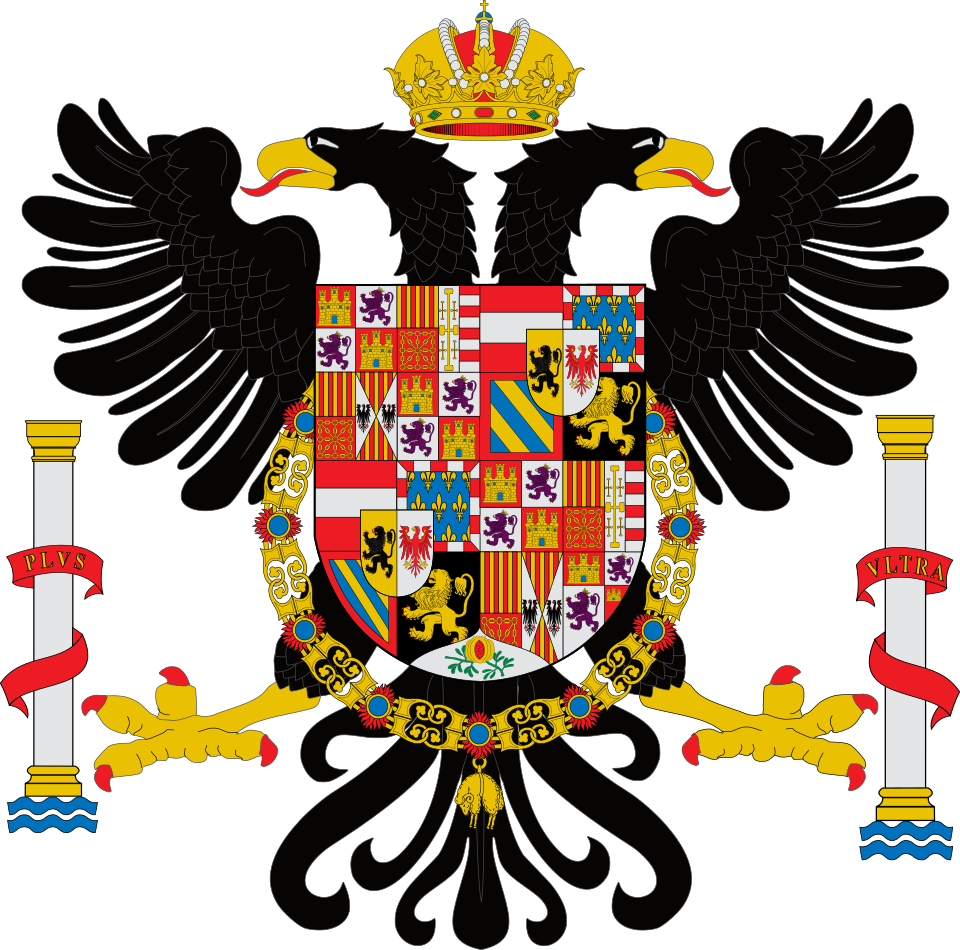
Coat of arms: Wikimedia Commons (SanchoPanzaXXI, CC BY-SA 4.0)
- Capital: Villaviciosa
- Population: 15,379 inhabitants (INE 2025)
- Area: 276.23 km²
- Zone: Central
- Demonym: maliayo, -a
- Town Hall: Plaza del Ayuntamiento, s/n, 33300 Villaviciosa. Tel. +34 985 89 32 02
Neighbouring municipalities
- Cantabrian Sea (north)
- Gijón (west)
- Siero (west)
- Sariego (south)
- Nava (south)
- Cabranes (south)
- Piloña (south)
- Colunga (east)
Useful links
Want to correct or expand this information? Contact us.
See it on the interactive map: The 78 municipalities of Asturias