Piloña, Asturias: municipality guide
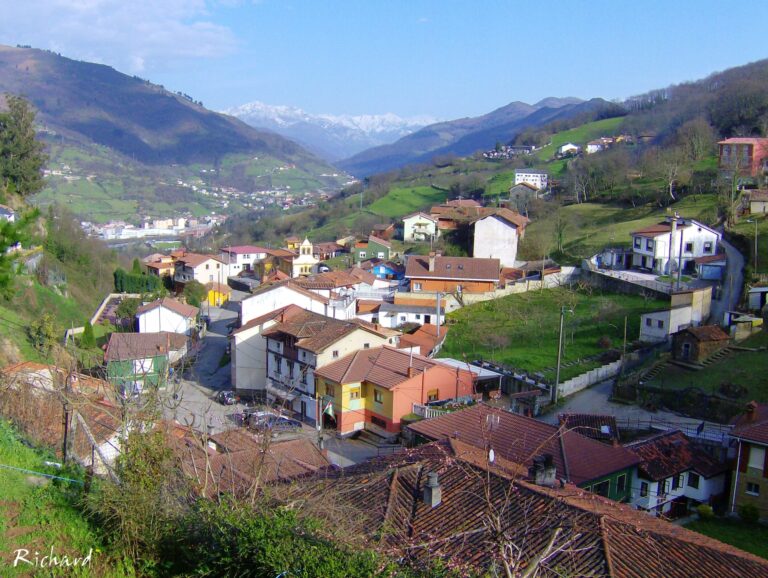
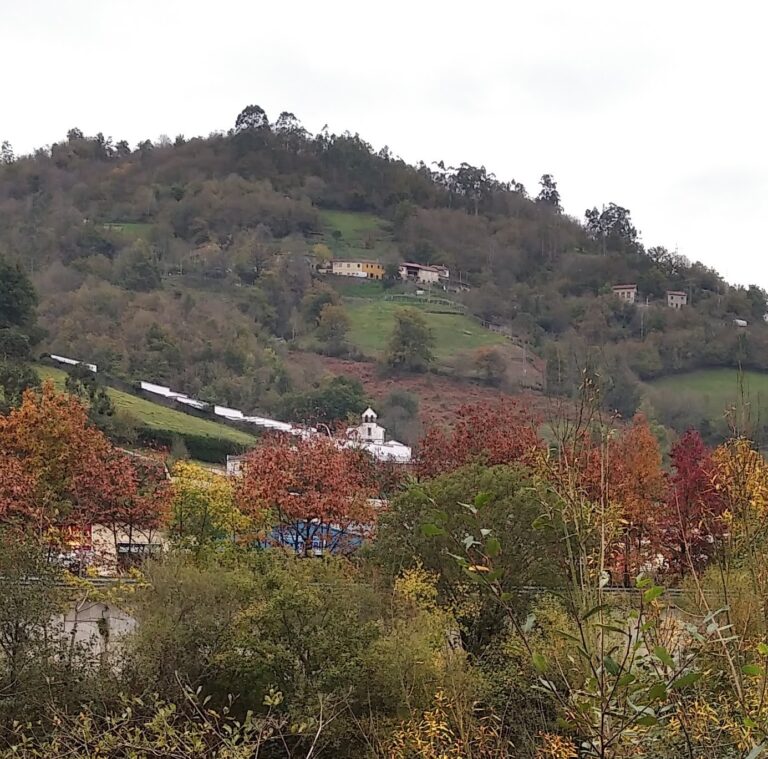
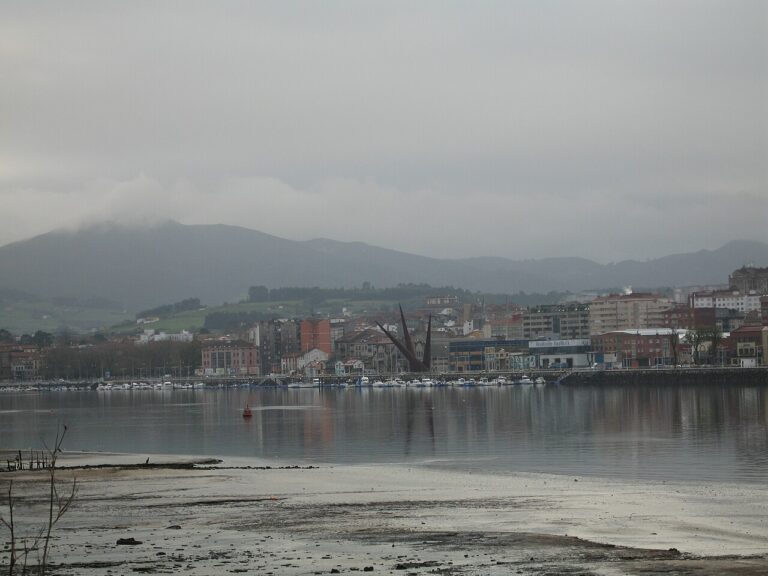
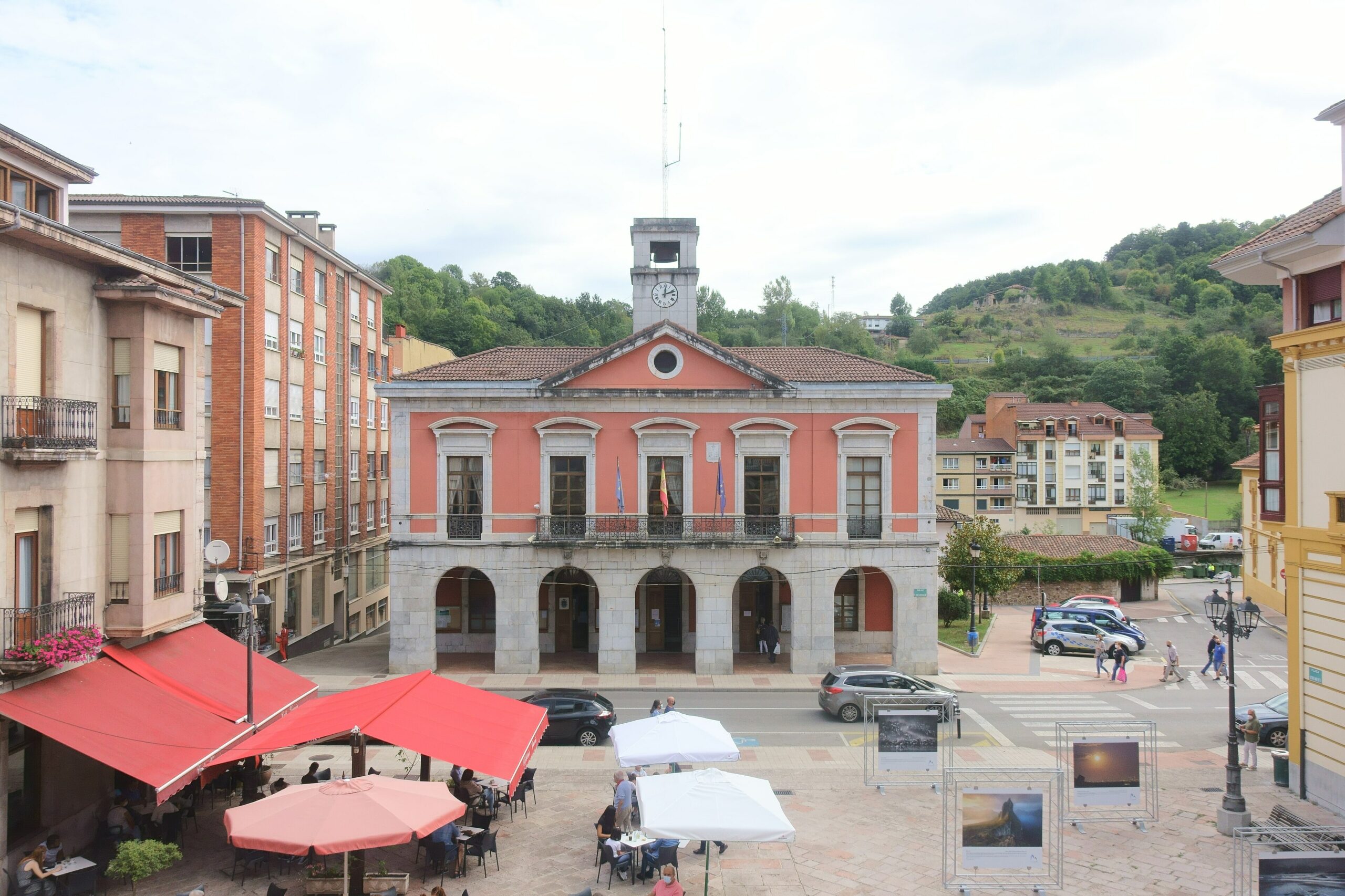
Piloña is a municipality in eastern Asturias with 6,716 inhabitants on 283.89 km² and 24 parishes. Its capital is Infiesto (L’Infiestu), a hazelnut town on the banks of the river Piloña, between the Sierra del Sueve and the inland valleys.
Things to see in Piloña
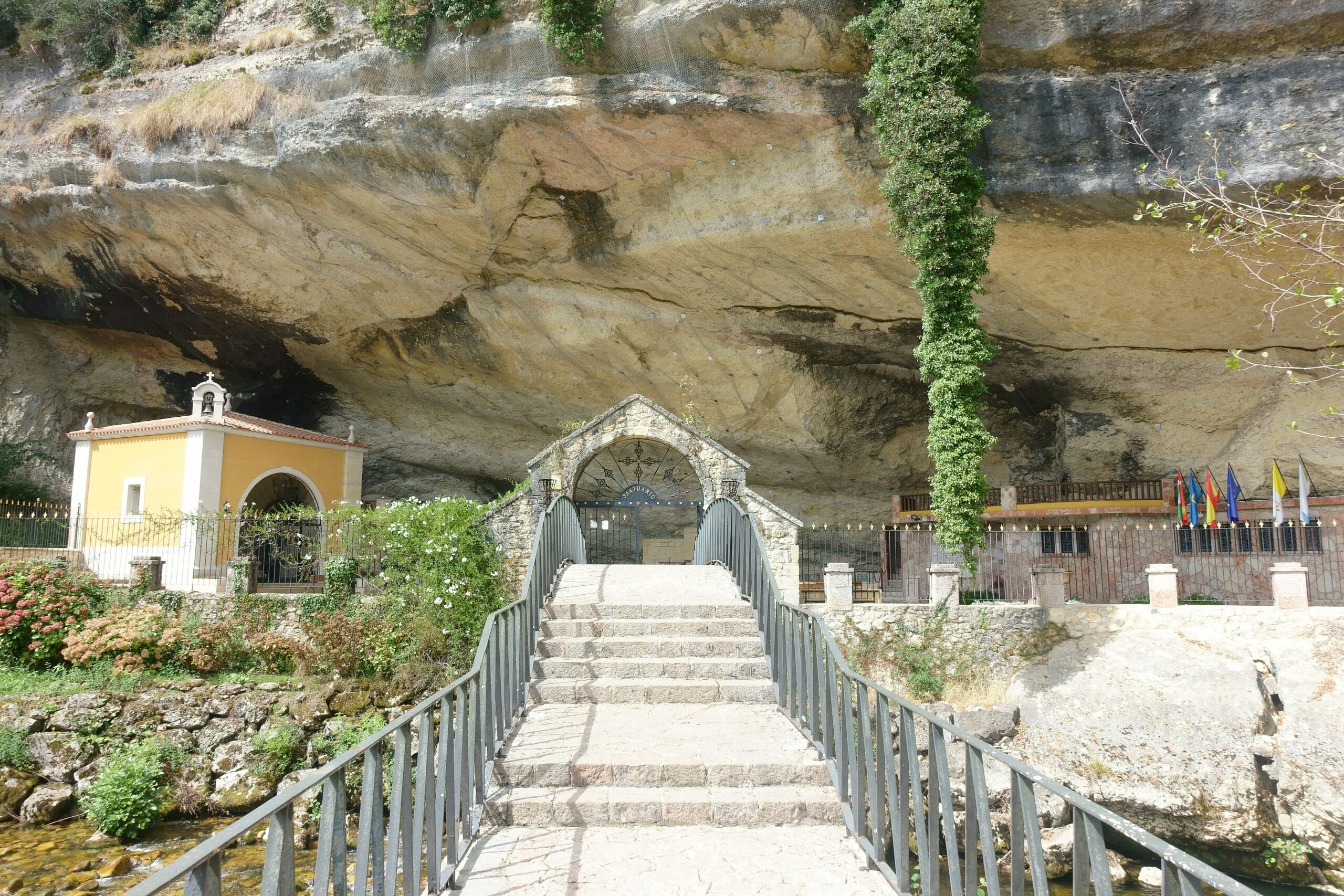
Two kilometres from Infiesto, in Ques, the sanctuary of the Virgen de la Cueva nestles beneath an impressive rock shelter beside the river of the same name. Devotion here is documented since the 16th century, and the children’s song «que llueva, que llueva» was born here.
Piloña is also one of Europe’s great Neanderthal reserves thanks to the cave of El Sidrón, in Vallobal, where the remains of 13 Neanderthals were found in the Galería del Osario. The cave itself cannot be visited, but its finds are shown in the «Los 13 del Sidrón» exhibition; the site is a declared Geosite and in 2022 National Geographic listed it among the 17 most notable palaeontological sites in the world.
To the north, the Sierra del Sueve, a Protected Landscape, is home to the asturcón, the native Asturian horse that roams its slopes in freedom. Every August the Espineres mountain pasture hosts the Fiesta del Asturcón, declared of National Tourist Interest, with the branding of the foals. The municipality’s highest point is Pico Vízcares (1,420 m), and Espinaréu preserves one of the largest concentrations of hórreos (raised granaries) in Spain.
The historic heritage includes the Benedictine monastery of Santa María de Villamayor, whose Romanesque apse belongs to the abbey founded in the year 1003 (a national monument since 1931), the church of San Juan de Berbío, with Romanesque remains, the palace of Sorribes (18th century), the palace of the Marquesado de Vistalegre in Infiesto (18th century, with the Santa Teresa chapel of 1666) and Indiano houses such as the Casona de Sotiello in Sevares or the Casona de La Estrada. In Borines, the spa draws on historically famous mineral-medicinal waters, and in Infiesto the Casa del Tiempo traces the history of clockmaking.
Getting there
The N-634 crosses the municipality between km 351 and 368. From it branch the AS-254 towards Caso, the AS-255 towards Cabranes and Villaviciosa, the AS-258 and AS-358 towards Colunga and the AS-339 towards Ponga. Infiesto has a station on the Oviedo–Santander narrow-gauge railway.
Map of the municipality of Piloña: the capital, in gold. Data © OpenStreetMap (ODbL).
Festivals and gastronomy
The festive calendar opens with the annual spring fair (April, Infiesto) and continues with San Antonio (June, Infiesto), Corpus Christi (June, Villamayor), San Pedro (June, Sevares), the Fiesta del Asturcón (August, in the Sueve), Nuestra Señora de la Cueva y el Cristo (September, Coya) and the Hazelnut Festival with Santa Teresa de Jesús (October, Infiesto). At the table, the star is the hazelnut: its cultivation and its confectionery, with its own festival in October; nor is the cider from the municipality’s llagares ever missing.
Municipality facts
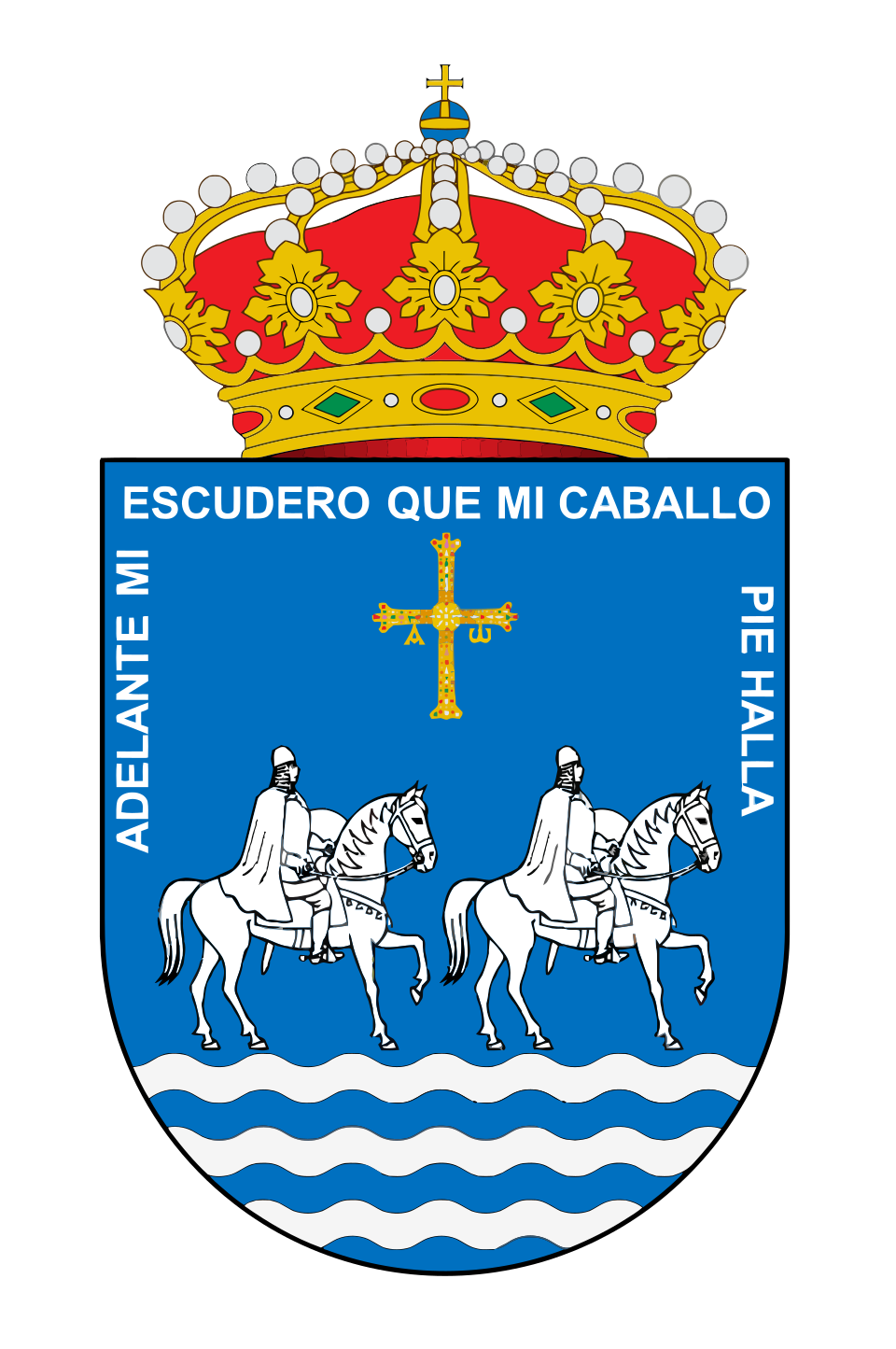
Coat of arms: Wikimedia Commons / Acantora (public domain)
- Capital: Infiesto
- Population: 6,716 inhabitants (INE 2025)
- Area: 283.89 km²
- Zone: Eastern
- Demonym: piloñés, piloñesa
- Town Hall: Calle Covadonga, 9, 33530 Infiesto. Tel. +34 985 71 00 13
Neighbouring municipalities
Useful links
Want to correct or expand this information? Contact us.
See it on the interactive map: The 78 municipalities of Asturias