Grado, Asturias: municipality guide
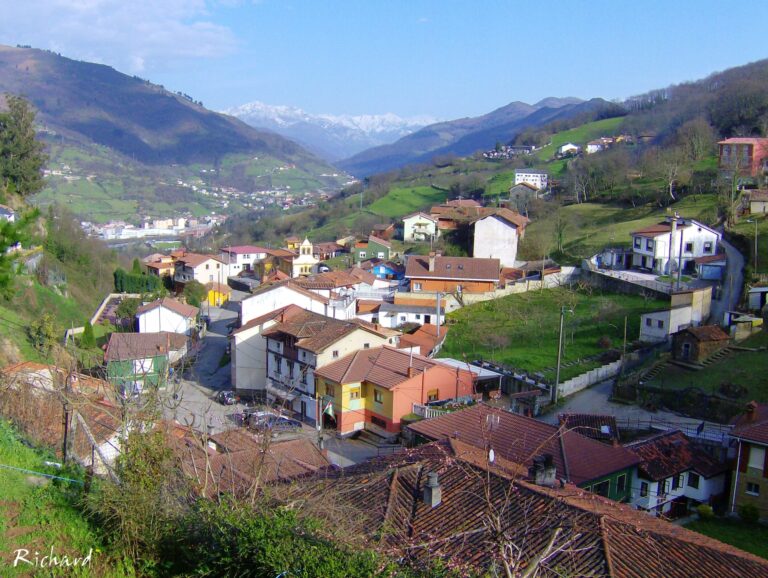
Grado is a municipality in central Asturias, in the Oviedo comarca. Its capital is the town of Grado; it has 9,681 inhabitants (INE 2025) and covers 221.63 km².
What to see in Grado
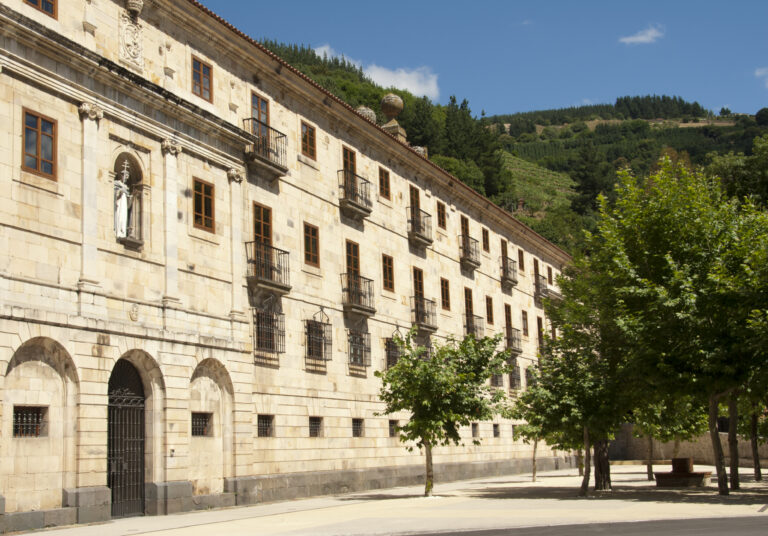
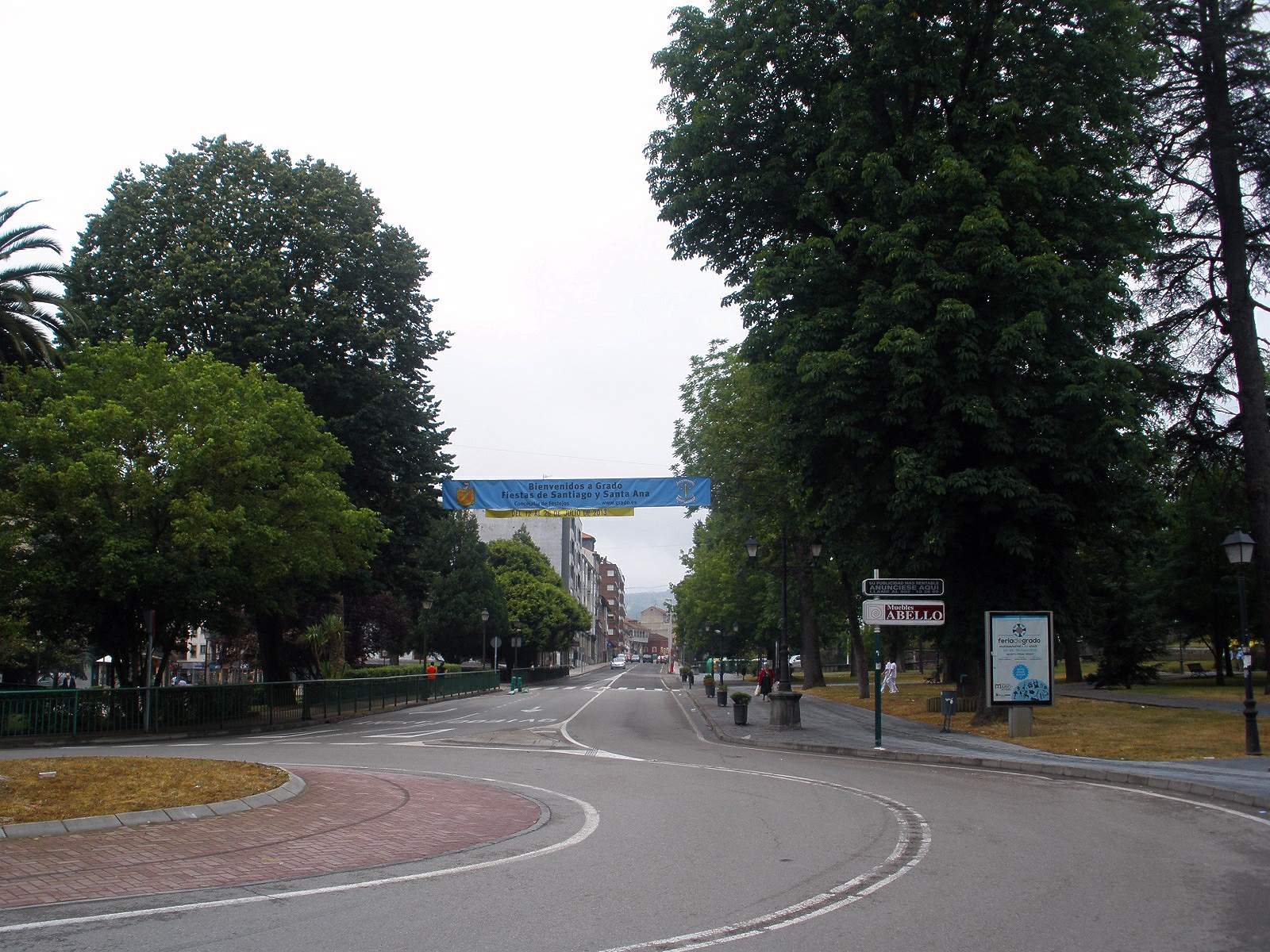
The town of Grado. The municipal capital preserves its historic quarter beside the Cubia river, which flows through it in the center of Asturias. It is a typical town on the Camino de Santiago Primitivo (Primitive Way), with a main-street layout, and a gateway to the central Asturian mountains.
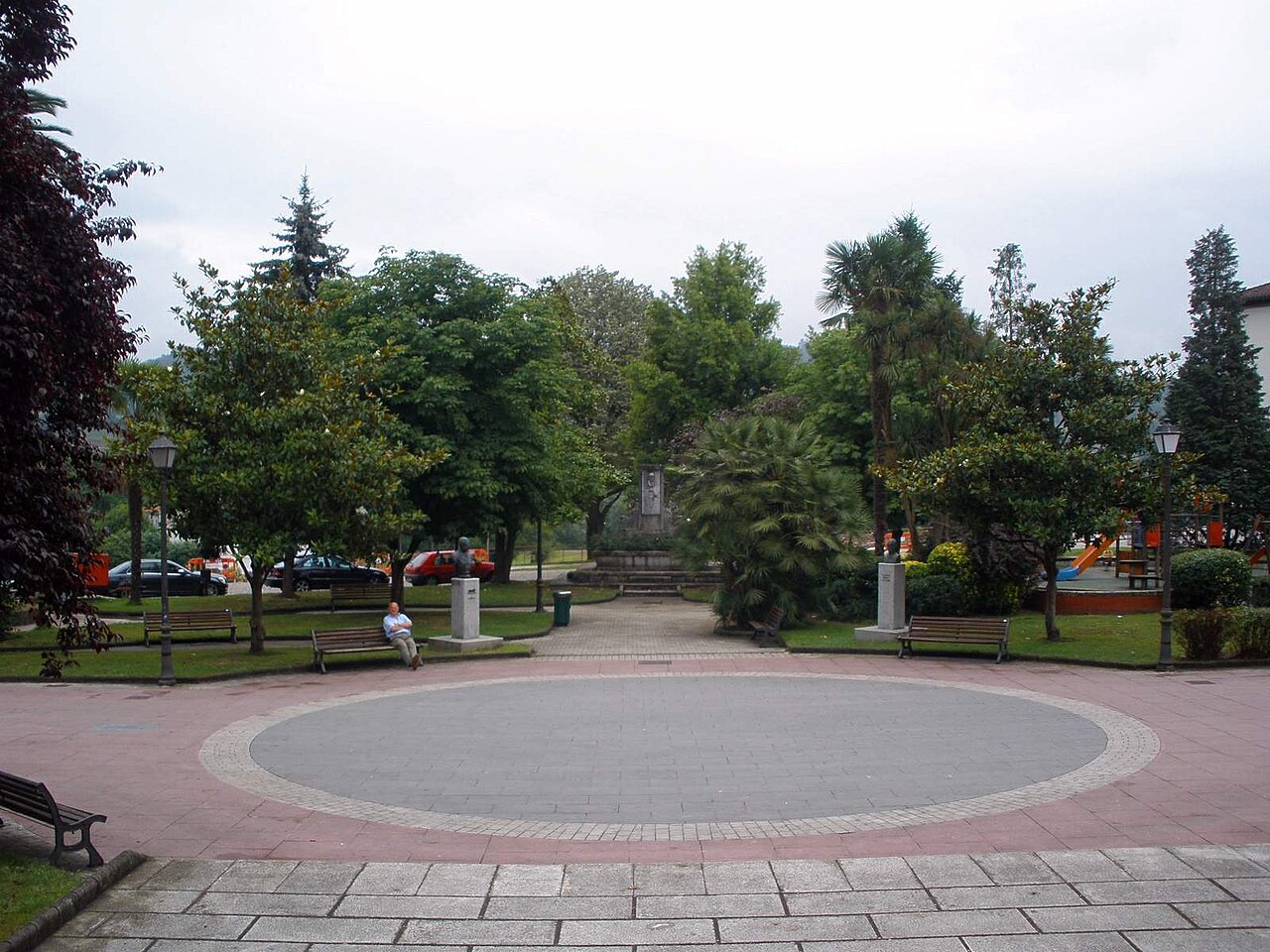
Photo: Wikimedia Commons / Zarateman (CC BY-SA 3.0)
The Cubia river and its riverside promenade. The river flows through the town itself, lined by a lovely riverside promenade before joining the Nalón. It is one of the leisure spaces most loved by the moscones, with green areas and the Butterfly Garden.
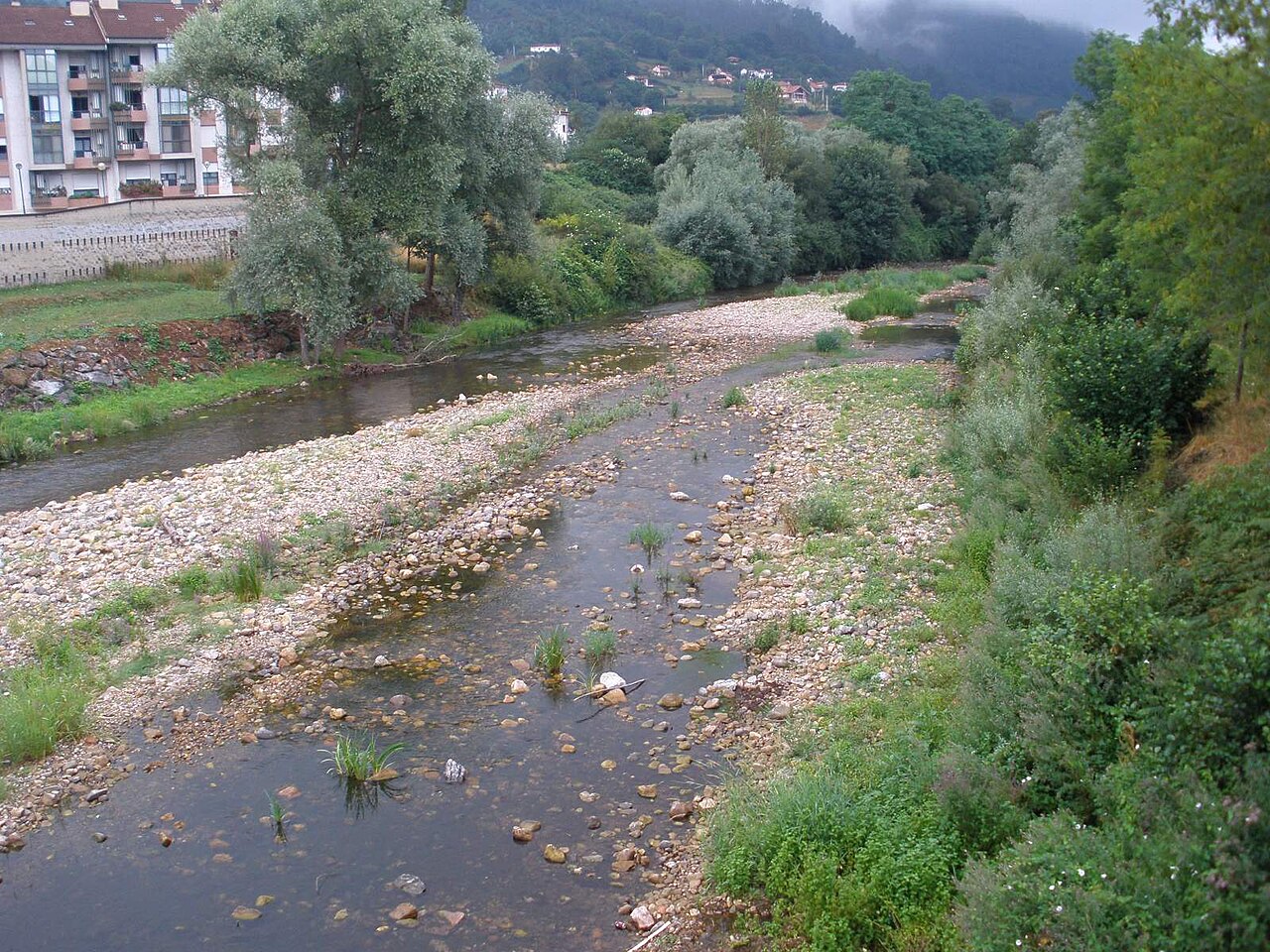
Photo: Wikimedia Commons / Zarateman (CC BY-SA 3.0)
The Dolores Chapel. Baroque, from the 18th century and declared a Historic-Artistic Monument, it is one of the jewels of the town’s religious heritage, with its ashlar masonry and dome on pendentives.
The Miranda-Valdecarzana Palace. Also a Historic-Artistic Monument, it forms a monumental ensemble with the Dolores Chapel. Its original structure is medieval, with a later major renovation, and its entrance leads to a monumental staircase.
The church of San Martín de Gurullés. Dating from 1117, it is the third oldest Romanesque church in Asturias. It is one of the essential stops on the municipality’s rural Romanesque route.
The Peñaflor Bridge. Built in the 12th century and rebuilt on successive occasions, it has great historic value as the Camino de Santiago’s entry point into the municipality of Grado and as the site of a battle against Napoleonic troops in 1809.
Getting there
Grado lies 27 kilometers from Oviedo. The municipality is crossed by the A-63 motorway (Oviedo-La Espina), the N-634 national road (between km 420 and 438) and the regional AS-237, which connects with Candamo. The town has a FEVE station on the Oviedo-San Esteban de Pravia line, with hourly trains, and a regular ALSA bus line to Oviedo. Asturias Airport is about 29 km away.
Municipality map: data © OpenStreetMap (ODbL). Own rendering, no Google, no cookies.
Festivals and gastronomy
The town hosts numerous festivities: the Fiesta de la Primera Flor (First Flower Festival) and the Mercadón at Easter, the Fiesta de Santiago with its Craft Market (25 July), the Fiesta de Santana (26 July) and the Certamen de la Escanda (Spelt Festival, second Sunday of September). Since 2007 the Mercadón and Gastronomic Fair of Afuega’l Pitu cheese has been held. The traditional market, held on Wednesdays and Sundays since 1256, is the oldest in Asturias. At the table, highlights include Afuega’l pitu cheese —one of only two Asturian cheeses with Denomination of Origin—, spelt bread, tocinillo de cielo and curd cheese.
Municipality data
- Capital: Grado
- Population: 9,681 inhabitants (INE 2025)
- Area: 221.63 km²
- Zone: Center
- Demonym: moscón, -a
- Parishes: 28
- Town Council phone: 985 75 00 68
- Address: Calle Alonso de Grado, 3 — 33820 Grado
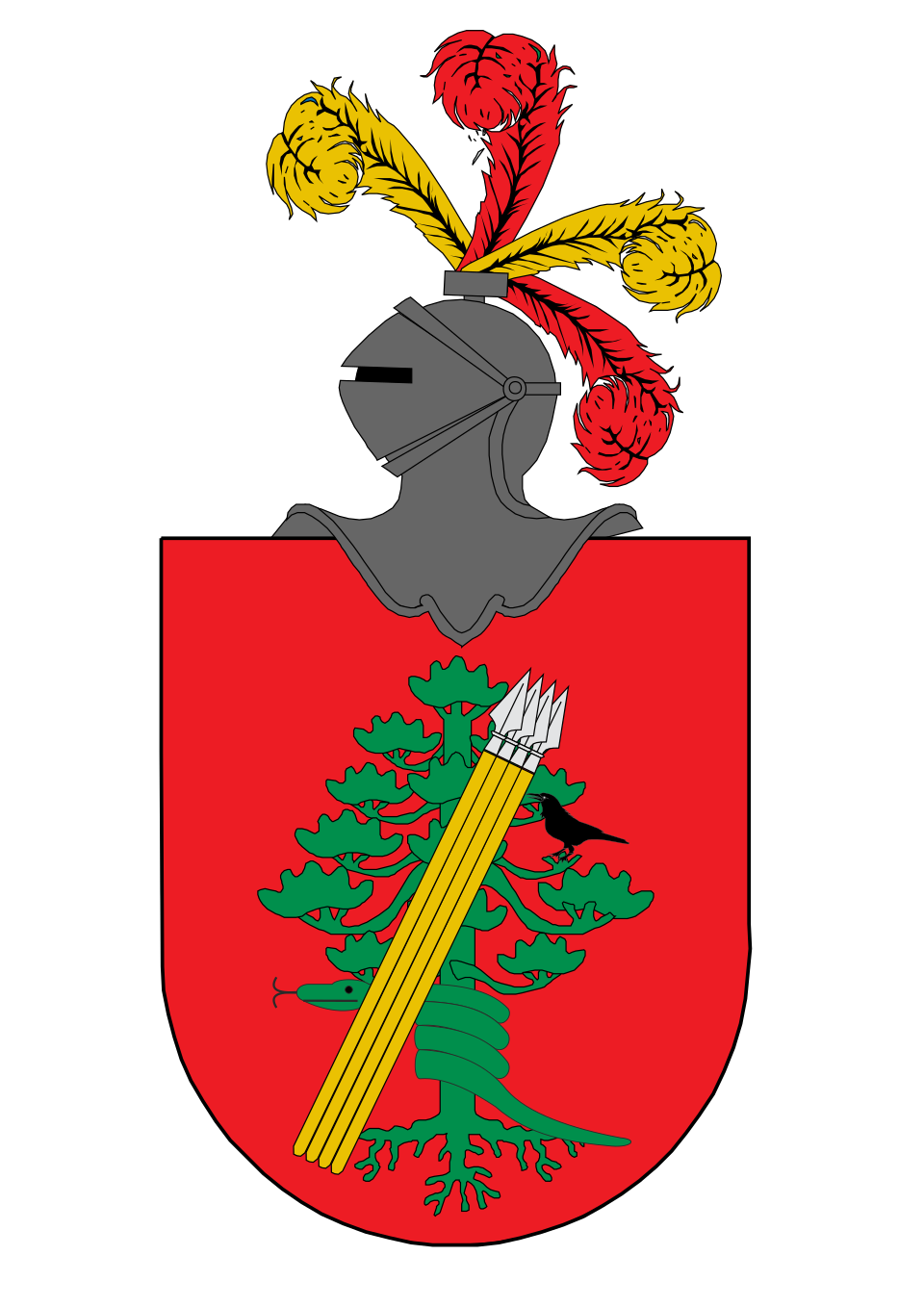
Coat of arms: Wikimedia Commons / Abraham Vázquez (CC0)
Neighbouring municipalities
Useful links
Want to correct or expand this information? Contact us.
See on the interactive map: The 78 municipalities of Asturias