Castrillón, Asturias: municipality guide
Castrillón is a municipality in central Asturias, Spain, on the central coastal strip, in the comarca of Avilés. Its capital is Piedras Blancas. With 21,998 inhabitants and 55.34 km², it is known for Salinas beach, the Arnao Mine and Asturias Airport.
What to see in Castrillón
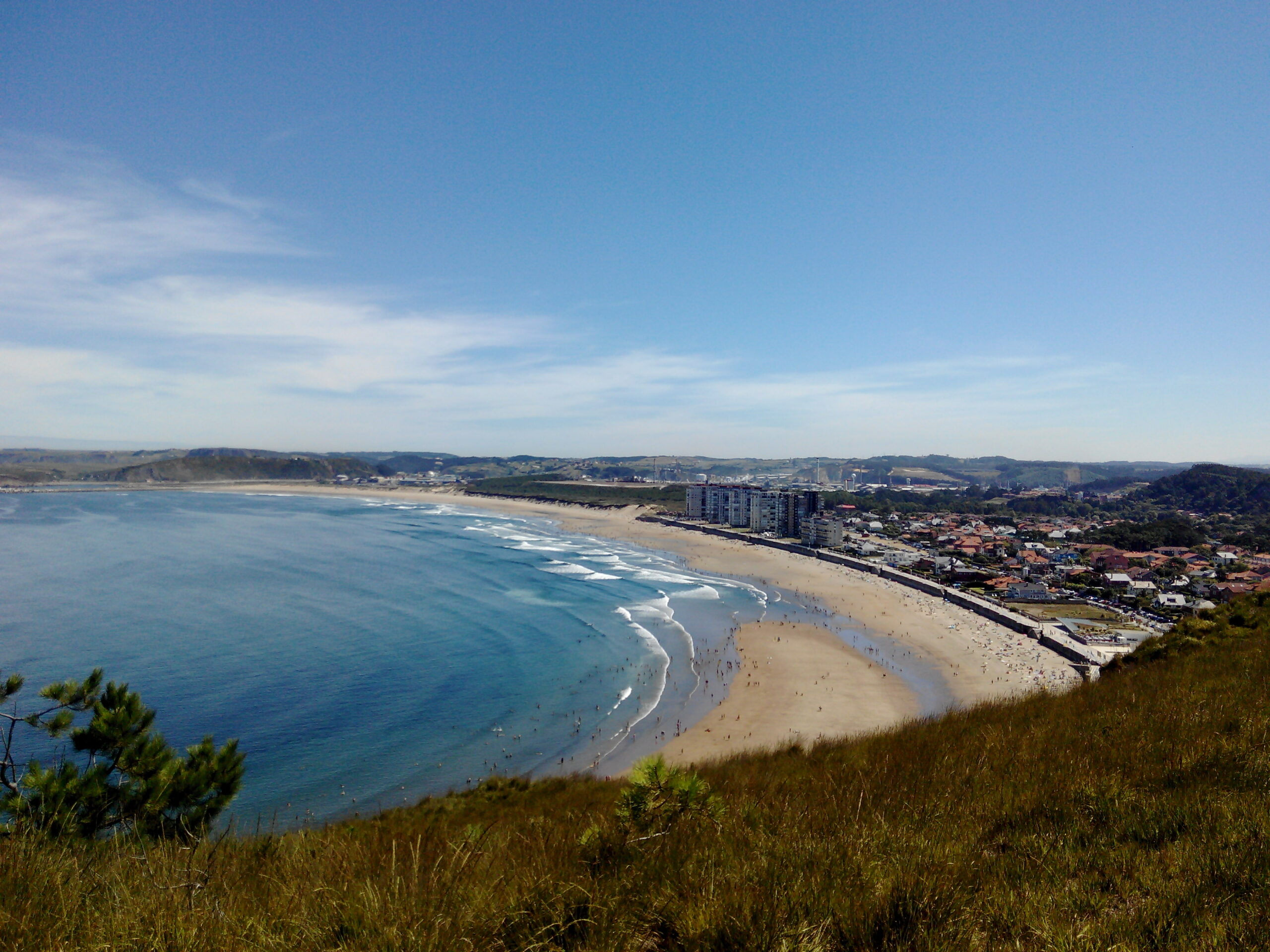
Salinas beach is the municipality’s main tourist destination and one of the most emblematic sandy beaches on the central Asturian coast. It is a long, wide beach, very busy in summer and popular with surfers and swimmers. The seafront promenade concentrates the area’s leisure and dining options.
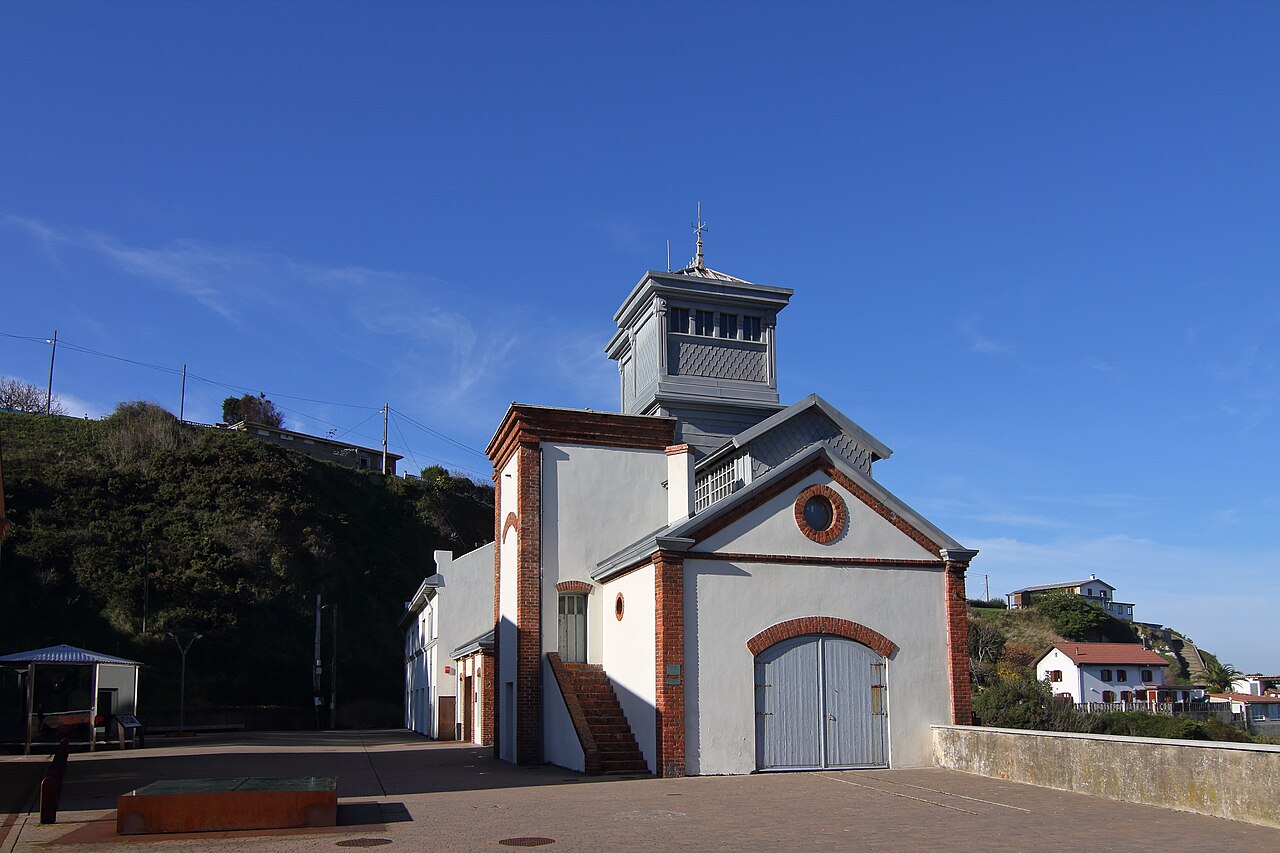
The Philippe Cousteau Anchor Museum, in La Peñona above Salinas beach, is an open-air museum devoted to the world of seafaring. It brings together a collection of historic anchors and pays tribute to the French oceanographer Jacques Cousteau. Its viewpoints offer some of the best views of the municipality’s coastline.
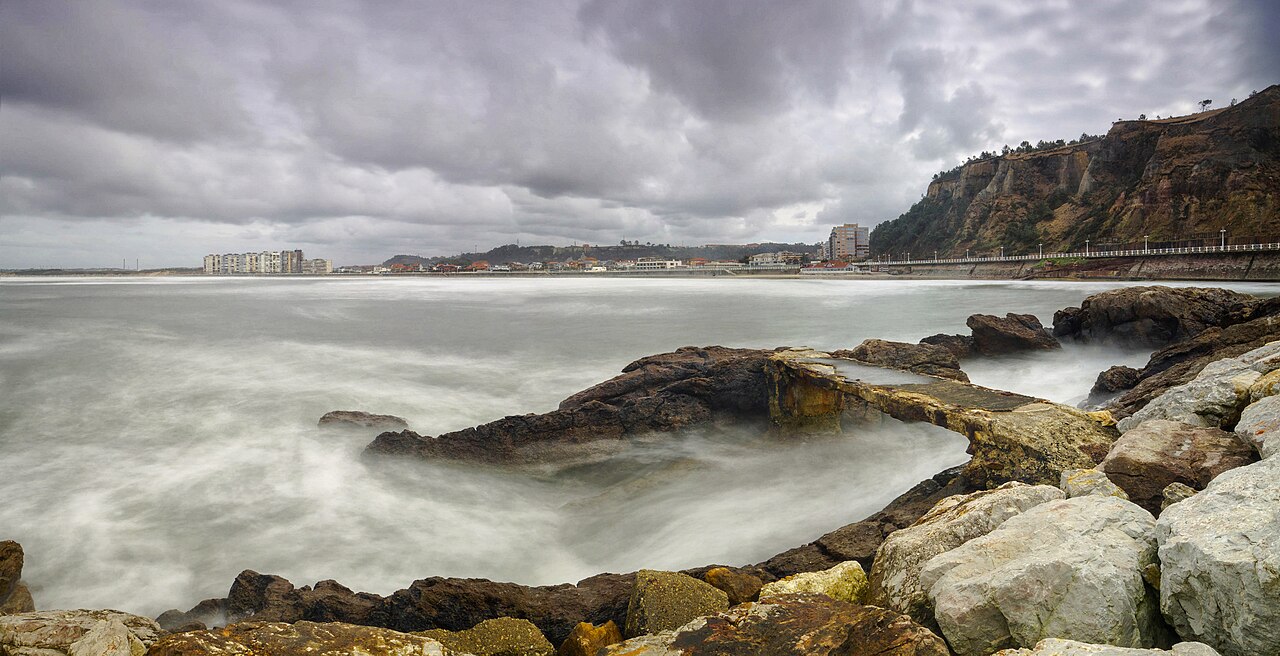
The Arnao Mine, in the parish of Santa María del Mar, is a visitable mining complex declared a Bien de Interés Cultural (heritage site). Operated by the Real Compañía Asturiana de Minas, Spain’s first railway ran here in the 1830s. Its headframe, included in the National Plan for Industrial Heritage, dominates the company’s hierarchical mining village.
Gauzón Castle, on the Peñón de Raíces, is a fortress of the Asturian monarchy that guarded the entrance to the Avilés estuary. In its goldsmith workshop, the most important of early medieval Asturias, the Victory Cross (Cruz de la Victoria) was crafted in the year 908, a symbol of the region. The Raíces Viejo archaeological complex also includes the remains of the Monastery of Santa María de Raíces.
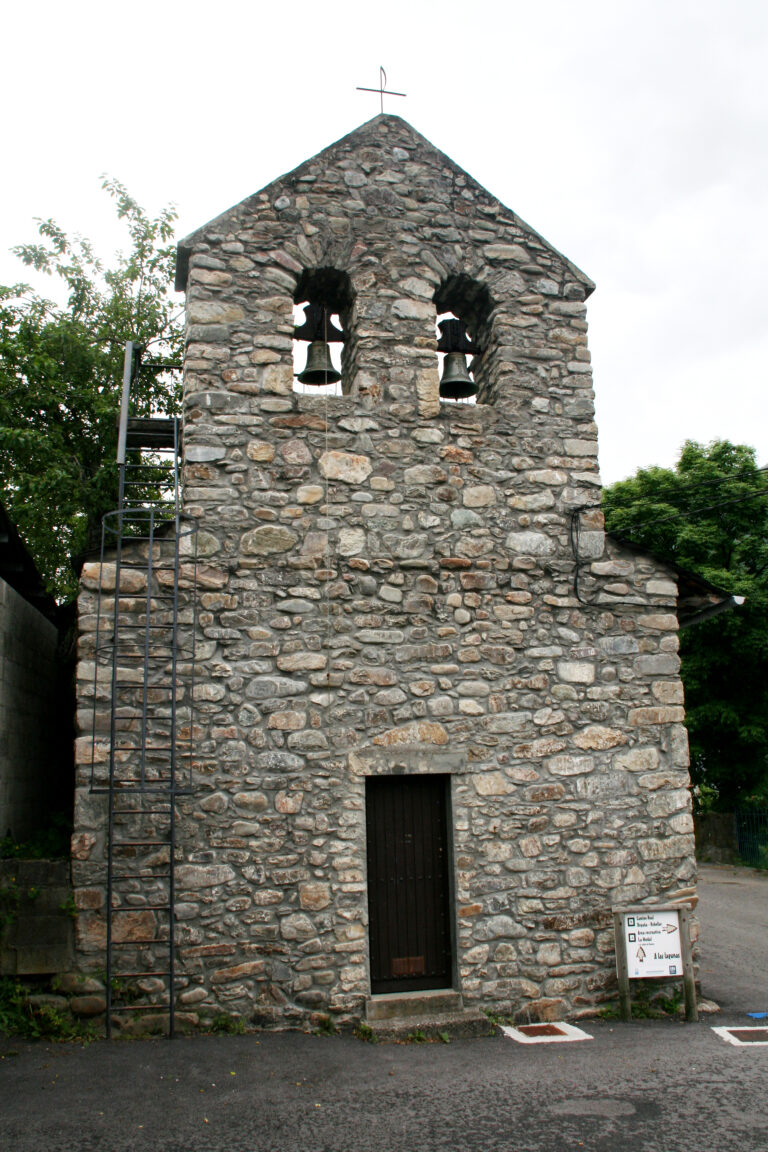
The church of San Miguel de Quiloño, of early medieval origin linked to the era of Alfonso III, is one of the oldest churches in the municipality. A stone plaque there references the route of the Northern Way of St James (Camino de Santiago del Norte). The church of San Martín de Laspra, also of early medieval origin and reformed in the 18th century, completes Castrillón’s religious heritage.
The Isla de la Deva and Playón de Bayas form a natural monument protecting a stretch of coastline of great ecological value. The playón, a vast dune area, and the small island are a refuge for seabirds. It is an ideal area for coastal hiking and nature watching.
Getting there
Castrillón is well connected by road: the N-632 (E-70 route) and the Cantabrian motorway A-8 cross it, and it lies about 35 kilometres from Oviedo. Asturias Airport is located within its territory, in the parish of Santiago del Monte. By rail, the Renfe Cercanías C-4 line has stations in Raíces, Salinas, Piedras Blancas, Vegarrozadas and Santiago del Monte, and the C-3 line in San Juan de Nieva.
Municipality map: data © OpenStreetMap (ODbL). Own rendering, no Google, no cookies.
Festivals and gastronomy
The municipality’s main festival is the Día de Castrillón, held on the Monday after the first Sunday in July, together with the Piedras Blancas festivities on the first weekend of July and those of Salinas in August. On the gastronomic side, highlights include the Jornadas Gastronómicas del Bacalao (cod gastronomic days), held in Salinas in March, the sea-urchin and mussel days in Las Bárzanas in spring, and the Festival de la Tapa in September.
Municipality data
- Capital: Piedras Blancas
- Population: 21,998 inhabitants (INE 2025)
- Area: 55.34 km²
- Zone: Centre (Avilés comarca)
- Demonym: castrillonense
- Parishes: 8 (Bayas, Laspra, Naveces, Pillarno, Quiloño, Salinas, Santa María del Mar and Santiago del Monte)
- Town Council phone: 985 53 00 50
- Address: Plaza de Europa, 1 — 33450 Piedras Blancas
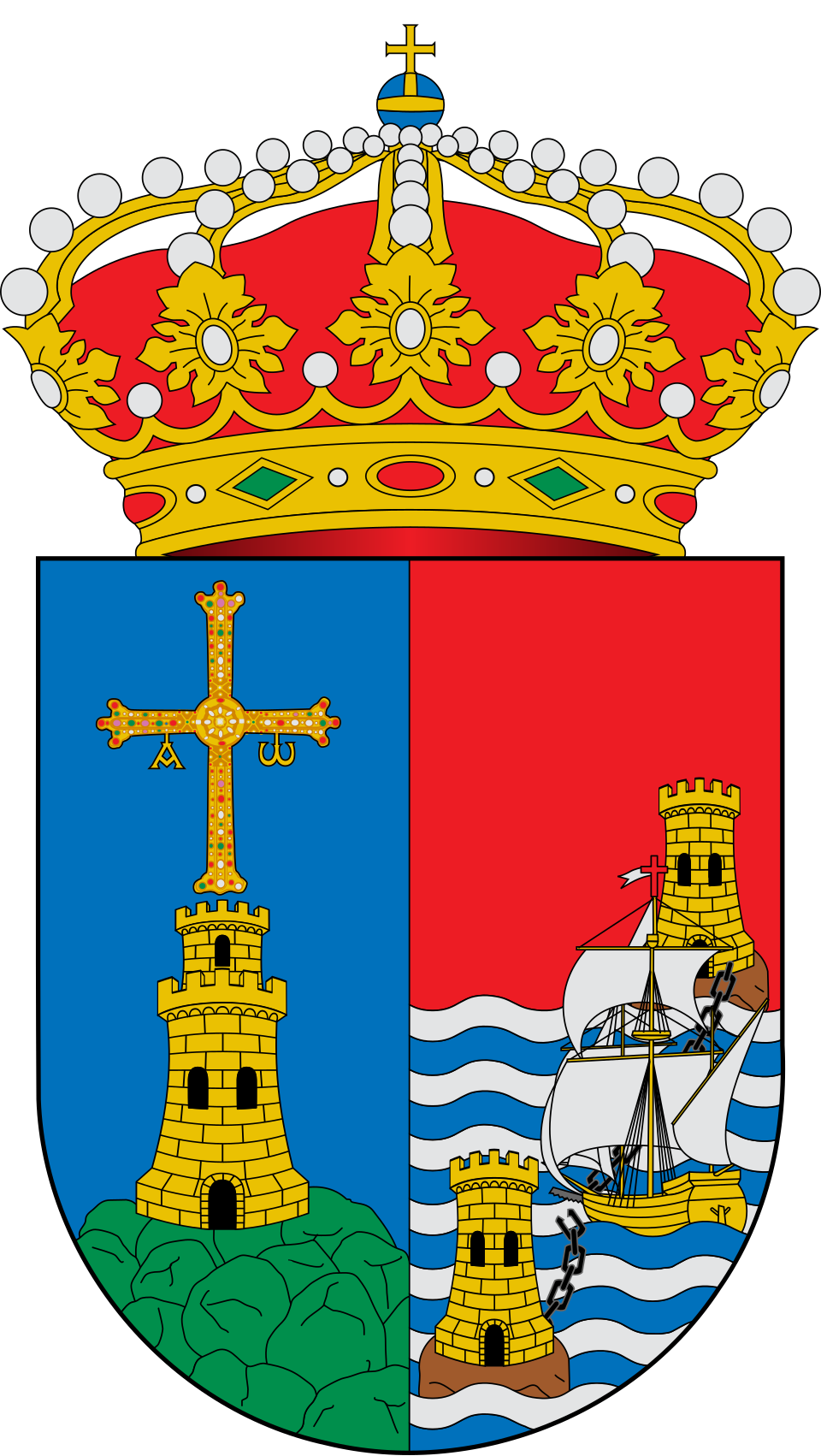
Coat of arms: Wikimedia Commons / HansenBCN (Public domain)
Neighbouring municipalities
Useful links
Want to correct or expand this information? Contact us.
See on the interactive map: The 78 municipalities of Asturias