Belmonte de Miranda, Asturias: municipality guide
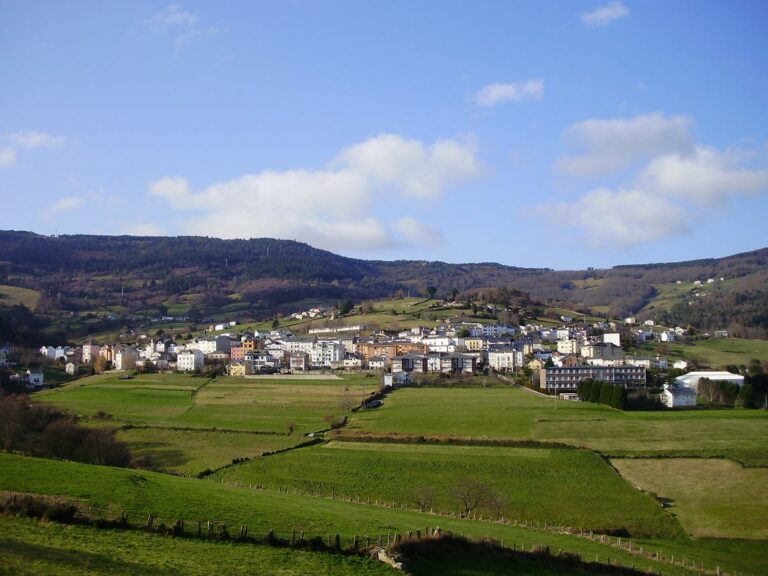
Belmonte de Miranda is a municipality in western Asturias, in the Pigüeña river valley. Its capital is Belmonte. With 1,366 inhabitants, it is a land of vaqueiros, hillforts and Roman gold mines, with very well-preserved nature connecting to the Somiedo Natural Park.
What to see in Belmonte de Miranda
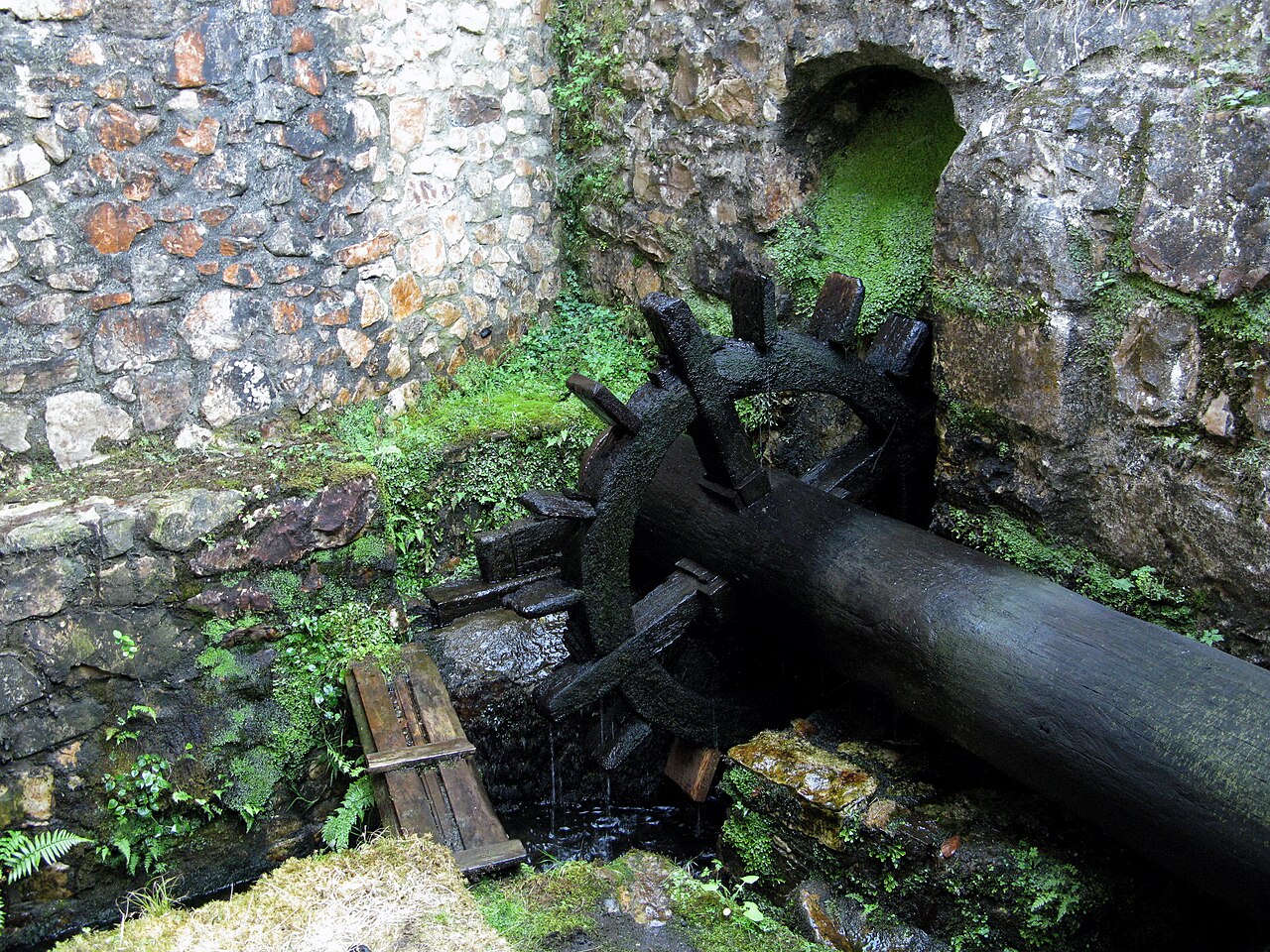
The Roman forge “El Machuco”, an old water-powered ironworks, listed as a cultural heritage asset (BIC). It is a very old water mill linked to the municipality’s metallurgical tradition, which dates back to Roman gold mining.
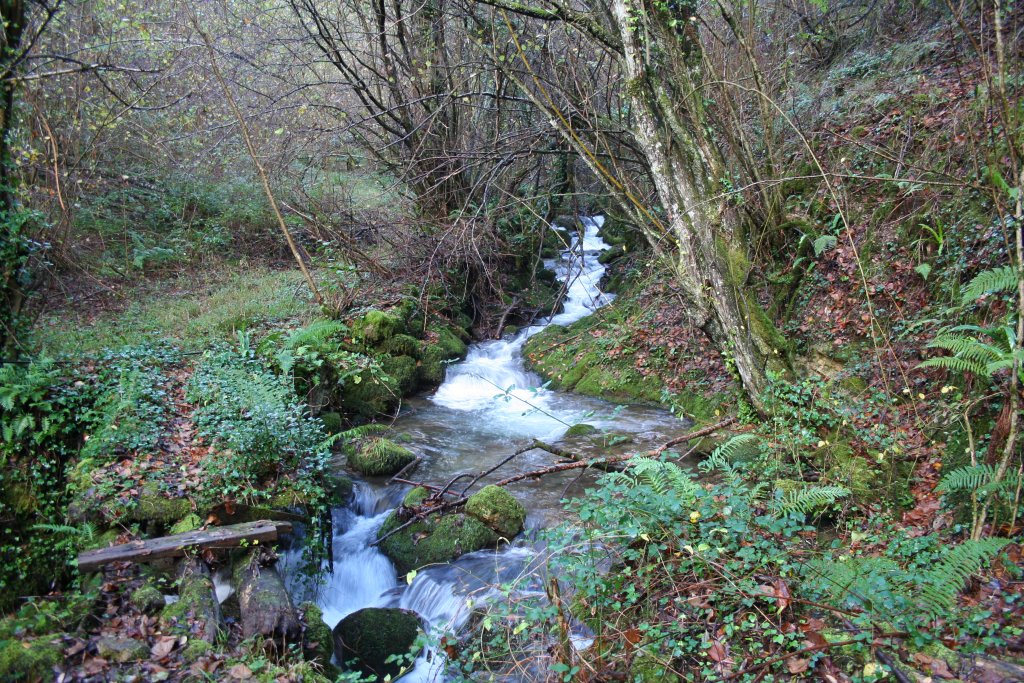
The Pigüeña river, which crosses the municipality from south to north, acting as a corridor between the mountain ranges. It is famous for trout fishing, and as a tributary of the Narcea it also receives salmon; the municipality has a fishing school in Sielviella.
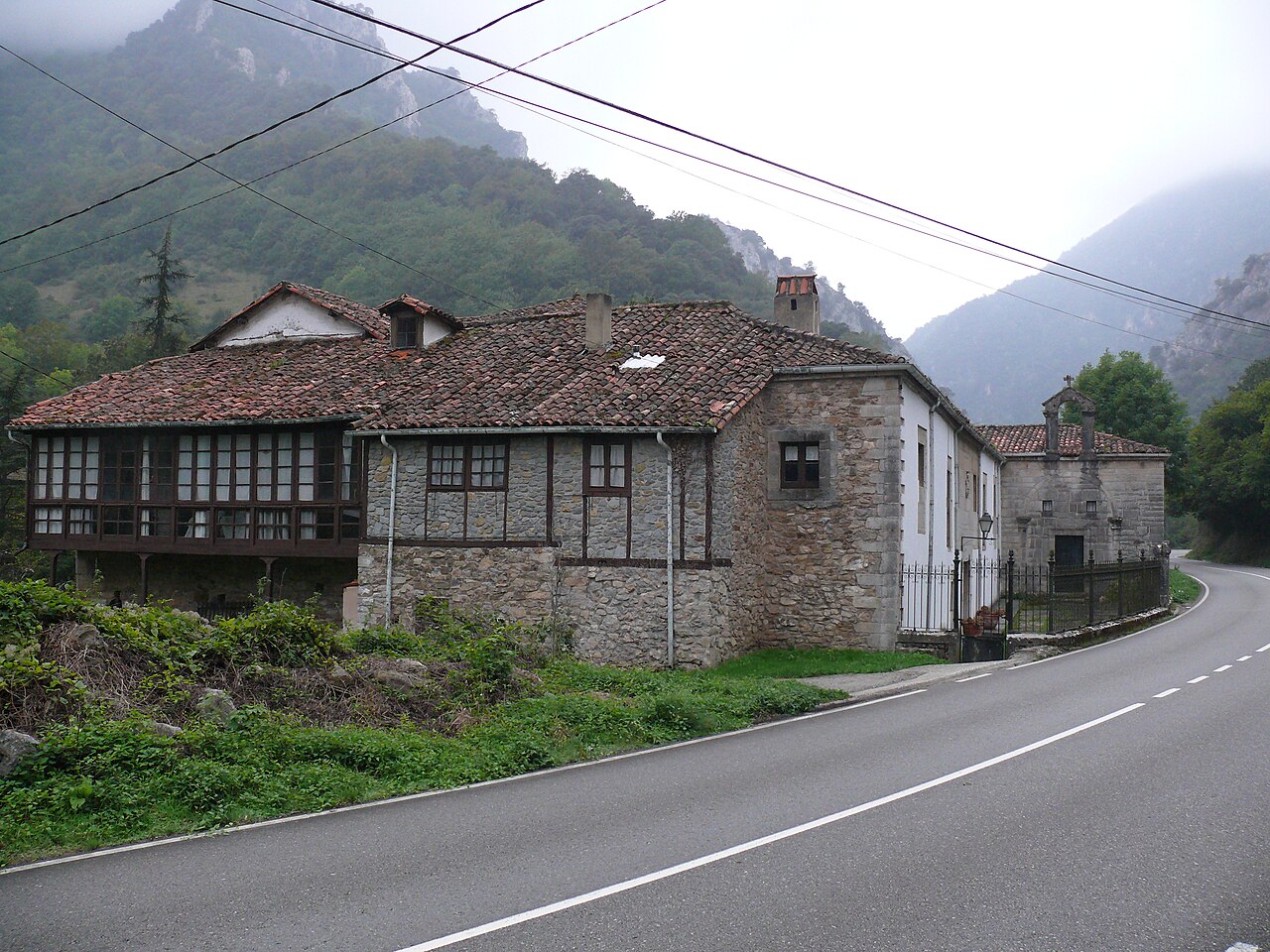
The Cienfuegos palace, in Agüera, on the banks of the Pigüeña, a 17th-century Historic-Artistic Monument. It is a manor-palace typical of local construction —a rectangular building with four façades, central courtyard, rear tower and chapel—, with no sculptural ornamentation except the coat of arms on the façade. Cardinal Cienfuegos (1657-1739) was born at the Agüerina palace.
The Quintana tower, from the 15th century, a three-storey building of masonry and ashlar, with arrow slits, windows of various shapes and a cantilevered machicolation on the top floor for its defence.
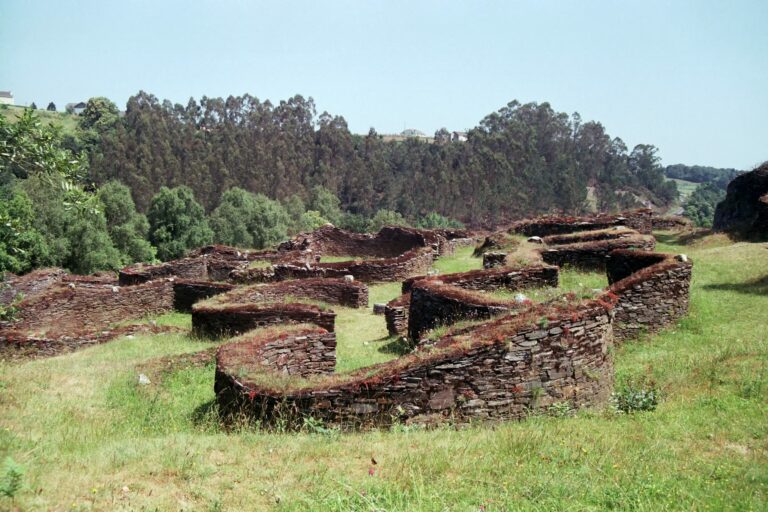
The hillforts of Ondes, Vigaña and Pena Aguda, from the Iron Age, when the Pesici —a Celtic Astur people— occupied the territory. La Mata el Castru de Vigaña preserves a self-sufficient village protected by a wall, and the Pena Aguda hillfort is linked to the early gold mining. More than a dozen Roman gold mines are recorded in the municipality —including those of El Valle-Boinás—, which were the main attraction of the Roman domination of western Asturias.
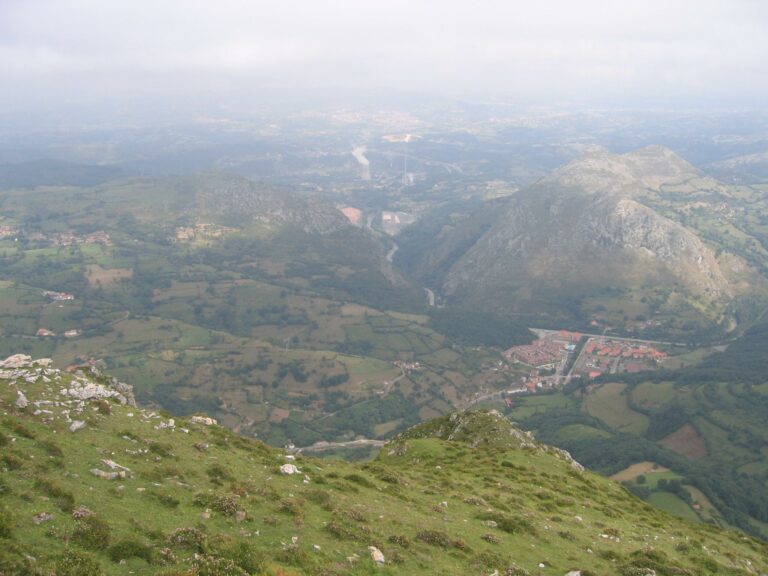
The southeastern sector of the Somiedo Natural Park, with native oak and chestnut forests and fauna including the wolf, brown bear, roe deer and wild boar. Here grows the Centaura de Somiedo, an endemic and endangered flower, and the village of Montovo keeps a yew planted in the 18th century.
Camín Real de la Mesa: the Camín Real de la Mesa (GR 101), a Roman road and historic royal way linking Somiedo, Teverga, Belmonte and Grado, runs through Belmonte de Miranda. It was travelled for centuries by travellers and pilgrims.
Getting there
The AS-227 crosses the municipality longitudinally from north to south and is its main road. Built in the mid-19th century —asphalted in the 20th— it follows the ancient Roman Vía Escrita, used by the vaqueiros de alzada in their transhumance. In the 1950s the ALSA bus service began running along this road, linking the municipality with Villablino (León).
Municipality map: data © OpenStreetMap (ODbL). Own rendering, no Google, no cookies.
Festivals and gastronomy
The town of Belmonte celebrates the feast of San Antonio, or Gira day, on the last Sunday of August. Other notable festivals are San Fructuoso in Agüera (July), San Julián (7 January, in Agüera), the La Corredoira country pilgrimage (first Sunday of September), los Dolores (third weekend of September) and el Rosario (second weekend of October, in Vigaña de Arcello).
Municipality facts
- Capital: Belmonte
- Population: 1,366 inhabitants (INE 2025)
- Area: 208.01 km²
- Zone: West
- Demonym: belmontino, -a
- Town Council phone: 985 76 21 60
- Address: Avenida Río Pigüeña, 14 (Edificio del Ayuntamiento, planta baja) — 33830 Belmonte de Miranda
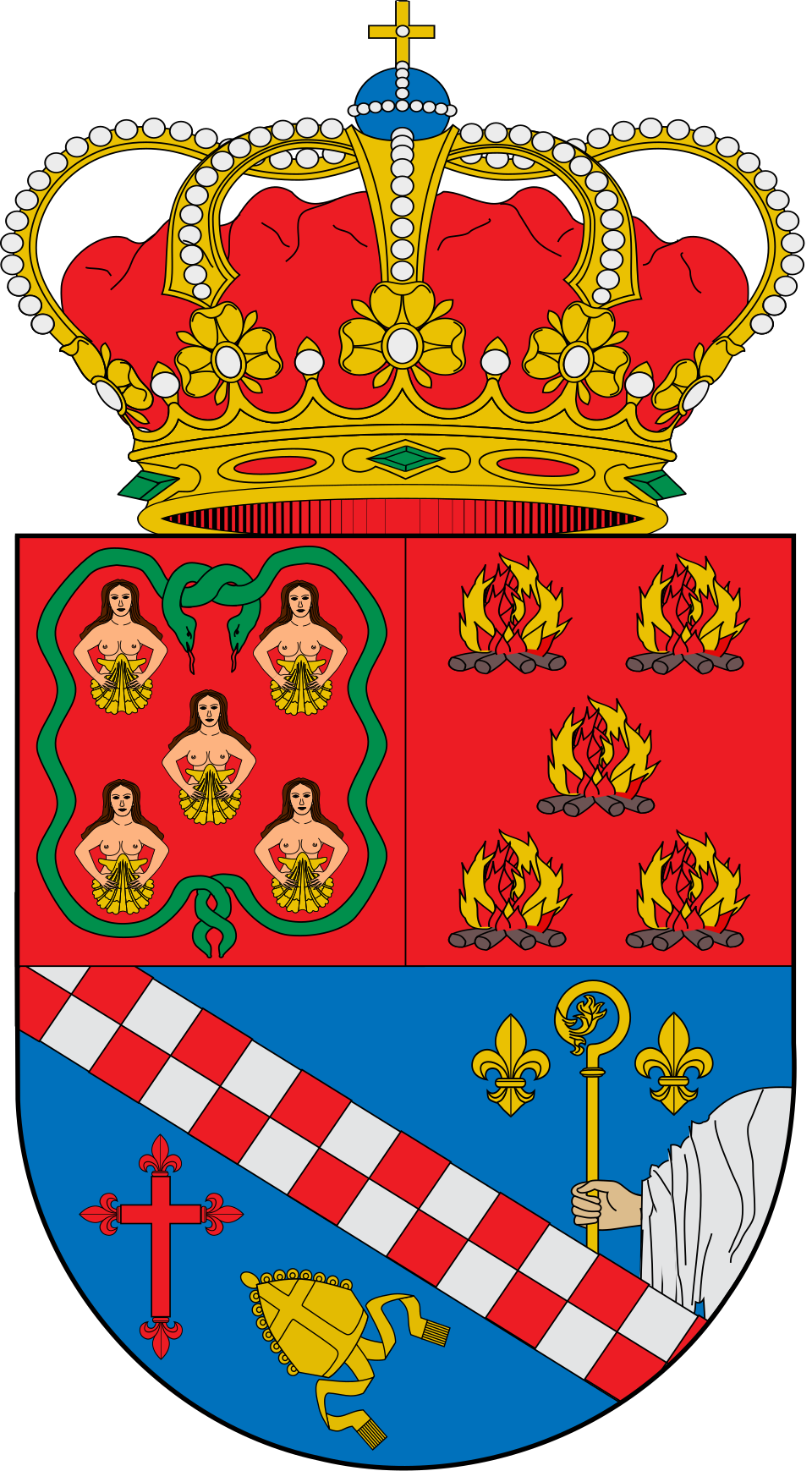
Coat of arms: Wikimedia Commons / SanchoPanzaXXI (CC BY-SA 4.0)
Neighbouring municipalities
Useful links
Want to correct or expand this information? Contact us.
See on the interactive map: The 78 municipalities of Asturias