Cheeses matured in high-mountain caves: Cabrales and Gamonéu del Puertu
Some cheeses ripen in climate-controlled chambers; others ripen in the belly of a mountain. In the Picos de Europa, two of Asturias’s most prestigious blue cheeses — Cabrales and Gamonéu del Puertu — finish their maturation in natural high-mountain caves, some at over 1,000 metres of altitude, reachable only on foot or, as cheesemaker Encarnación Bada puts it, «where not even cars can reach»: the wheels have to be carried up in backpacks.
Cabrales: the cave as an ingredient
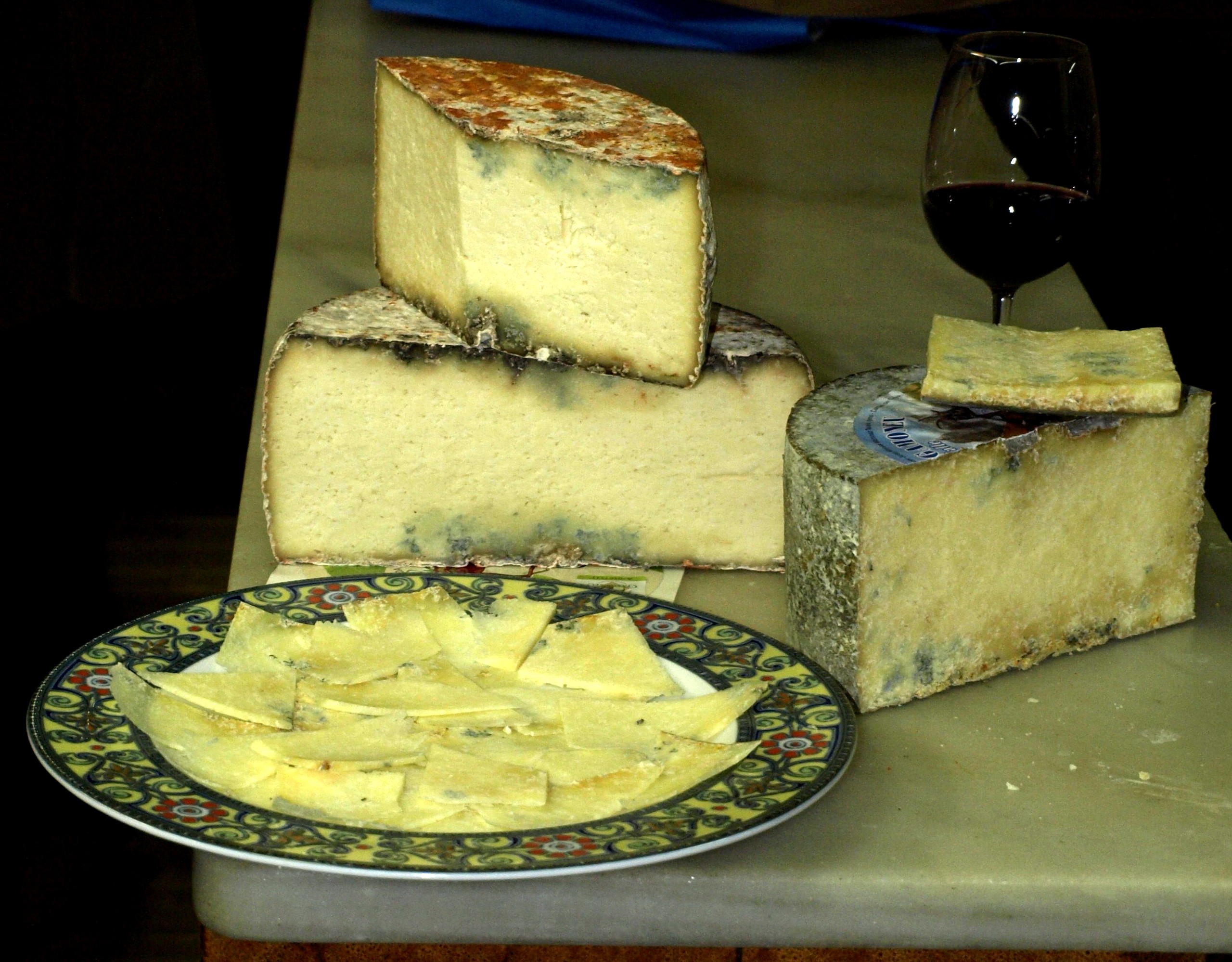
Cabrales cheese has held Protected Designation of Origin status since 1981. Its production area covers the municipality of Cabrales and three villages of neighbouring Peñamellera Alta, inside the Picos de Europa National Park. It is made with raw cow’s milk, or a mixture of cow, sheep and goat milk.
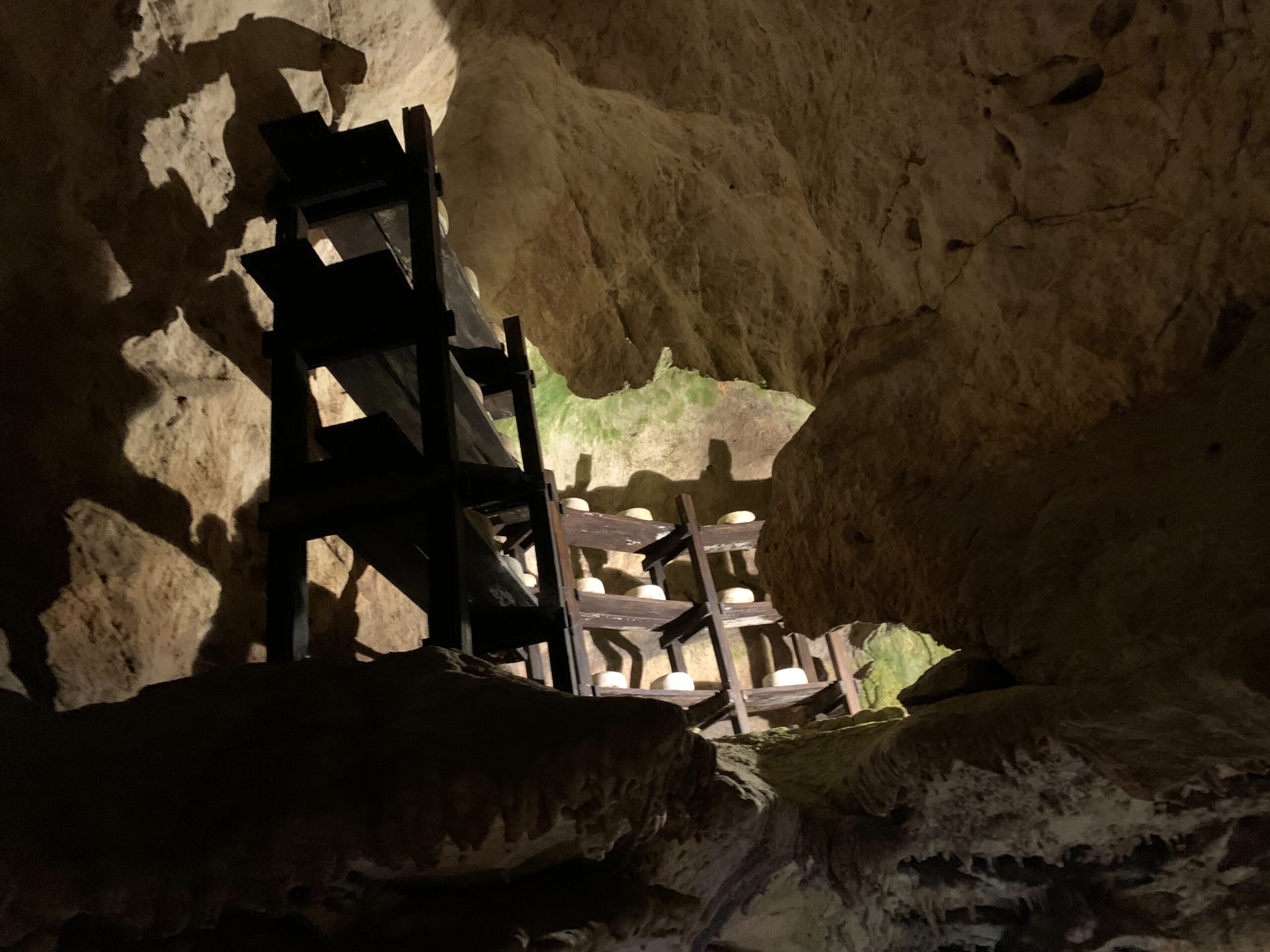
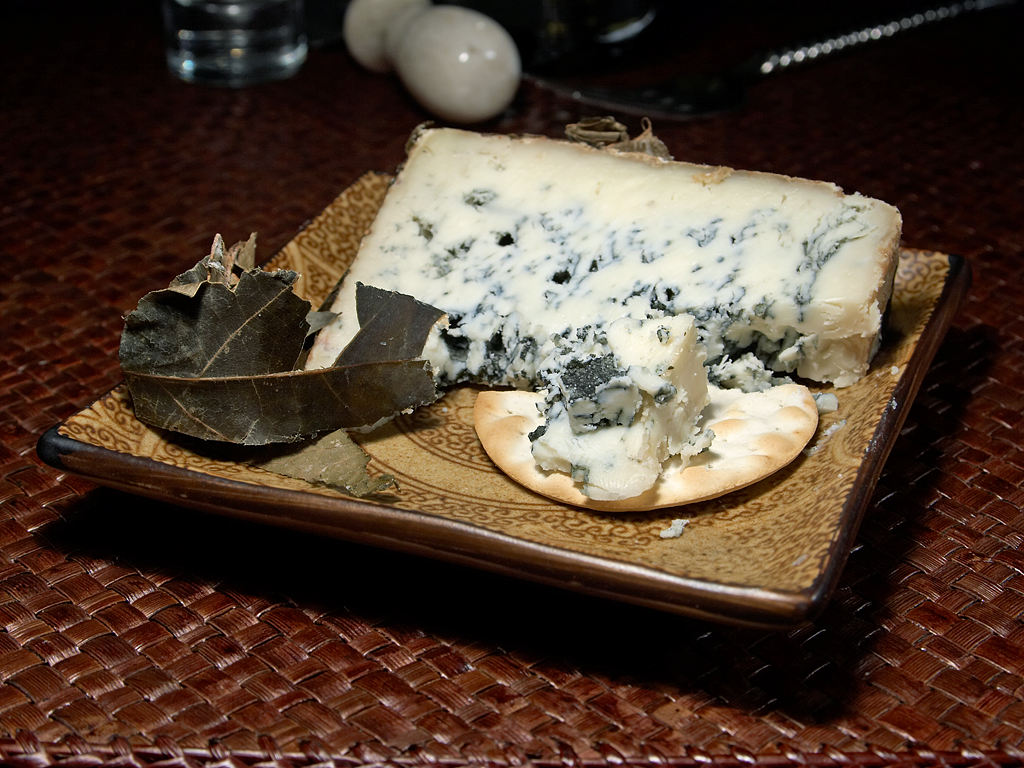
Maturation takes place in the natural caves of the Picos de Europa: around 90% relative humidity and a constant temperature between 8 and 12 °C. In that microclimate, penicillium fungi colonise the cheese and create its unmistakable blue-green zones and veins. The process lasts between two and four months, although some wheels mature for six to ten. During this time, the artisan turns the pieces so they season evenly and periodically cleans the rind.
The finished product is cylindrical (7 to 15 cm), weighs between two and five kilos, has a soft, thin rind and a creamy paste with an intense, slightly piquant flavour. It is sold wrapped in green aluminium foil with the Regulatory Council’s back label.
Gamonéu del Puertu: the cheese of the high pastures
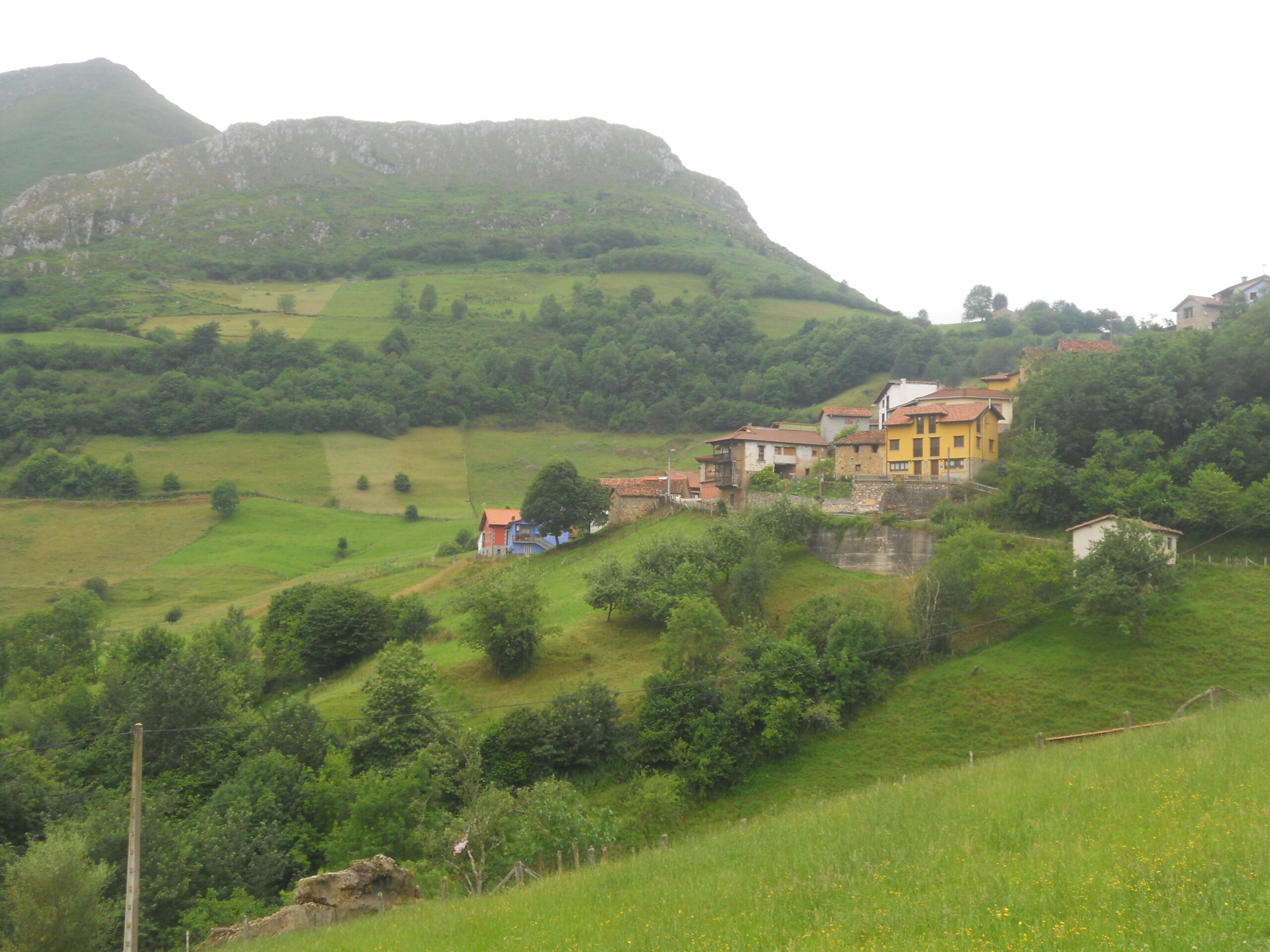
Gamonéu, also with Protected Designation of Origin, comes in two varieties: del Valle and del Puertu. Del Puertu is made by shepherds in the majadas — the high summer pastures — in the heart of the Picos de Europa, in Onís and Cangas de Onís.
It is made with raw cow, sheep and goat milk, or mixtures of two or all three milks. After salting by rubbing the faces with common salt and letting it air for three days, the cheese is smoked in the shepherds’ huts over firewood for ten to twenty days. It then rests in natural caves for between two and five months. As the European Union requires for raw-milk cheeses, maturation lasts a minimum of 60 days.
Unlike Cabrales, its mass is drier and crumbly, and the blue penicillium veining penetrates only a few centimetres from the rind. The wheels, from 500 grams to 7 kilos, keep notes of smoke and a penetrating aroma with hints of dampness and smoke.
The world’s most expensive cheese ripens at 1,500 metres
The prestige of these caves is also measured at auction. The winning wheel at the 2026 Cabrales Cheese Competition, from the Ángel Díaz Herrero cheesemakers of Tielve — two kilos matured for nine months in the Los Mazos cave, at 1,500 metres of altitude — sold for 37,500 euros, a new Guinness World Record for the most expensive cheese at auction.
Visiting
The Cueva Exposición del Queso de Cabrales (Cabrales Cheese Exhibition Cave), in Arenas de Cabrales, holds free open days — such as the one on 27 August, from 10:00 to 14:00 — where visitors can see up close how the cheeses rest in the cave’s darkness and silence.
Sources: Wikipedia (Queso de Cabrales, Queso de Gamonéu), the Gamonéu PDO specification, Europa Press (Cabrales Cheese Competition 2025 and 2026), eldiariodeasturias.com (2026 competition programme).