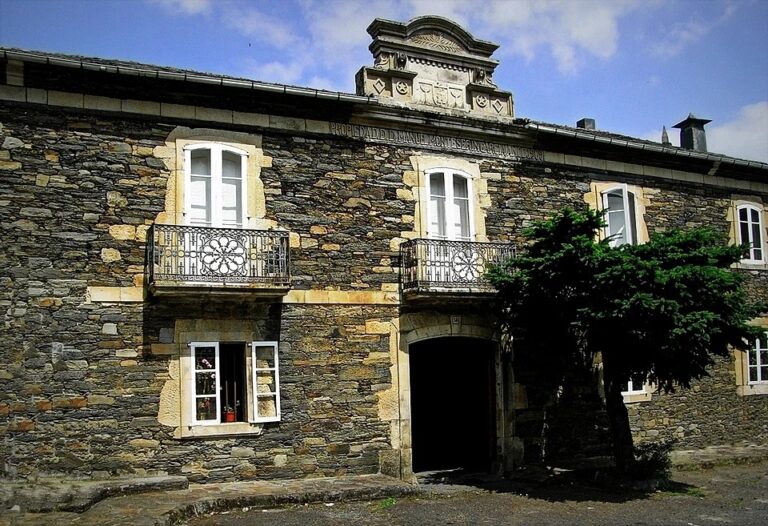
Villayón, Asturias: municipality guide
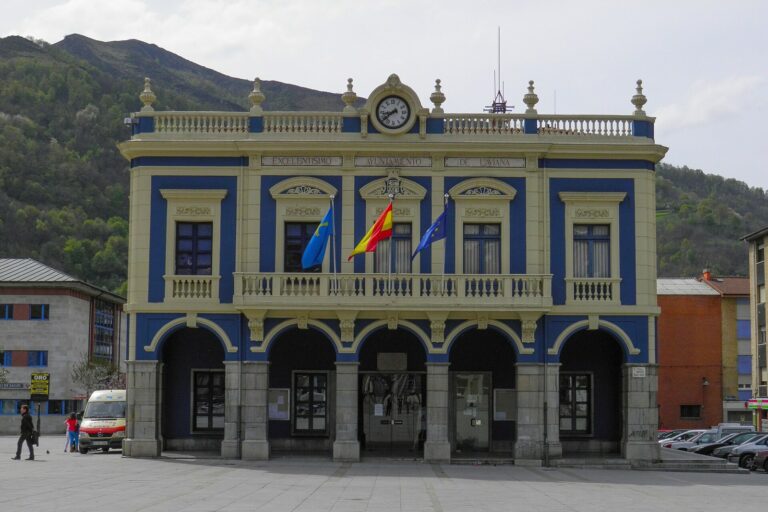
Villayón is a municipality in the Eo-Navia comarca, in western Asturias: 1,054 inhabitants on 132.46 km² of valleys and mountain ranges. Its capital is the town of Villayón, which has held the capital status since 1868, the year the municipality became independent from Navia. The river Navia runs through its western part from south to north as a natural border with Boal, Illano and Coaña, and Eonavian —the language of western Asturias— is spoken in the municipality. Dairy cattle farming is the basis of its economy.
Things to see in Villayón
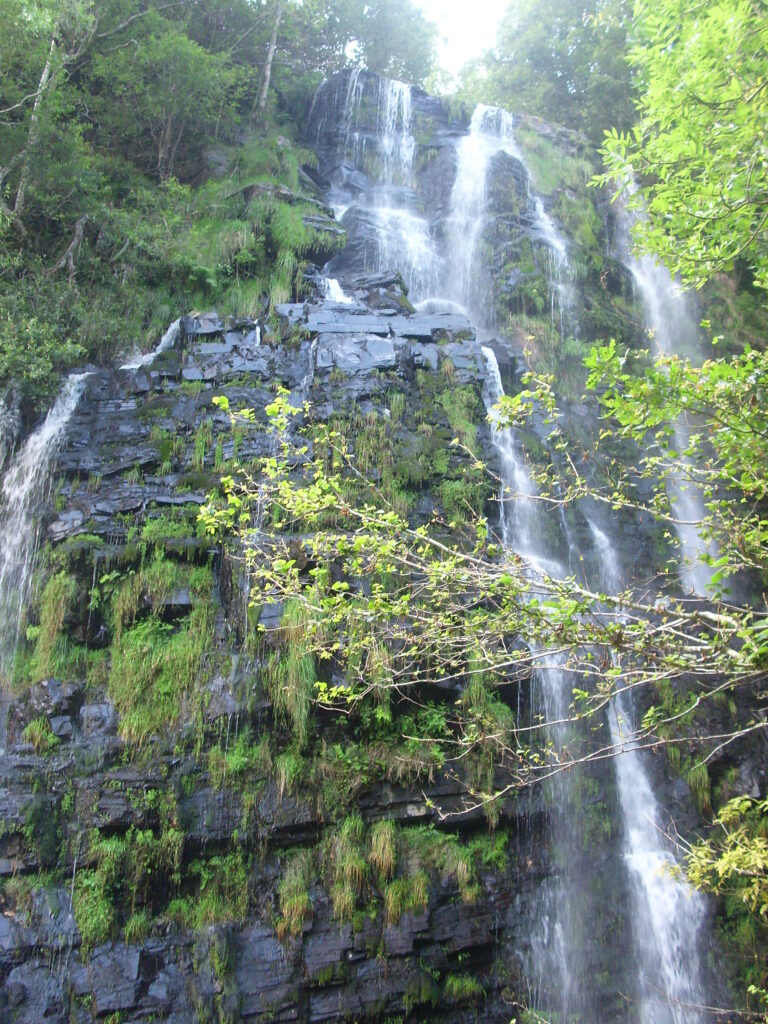
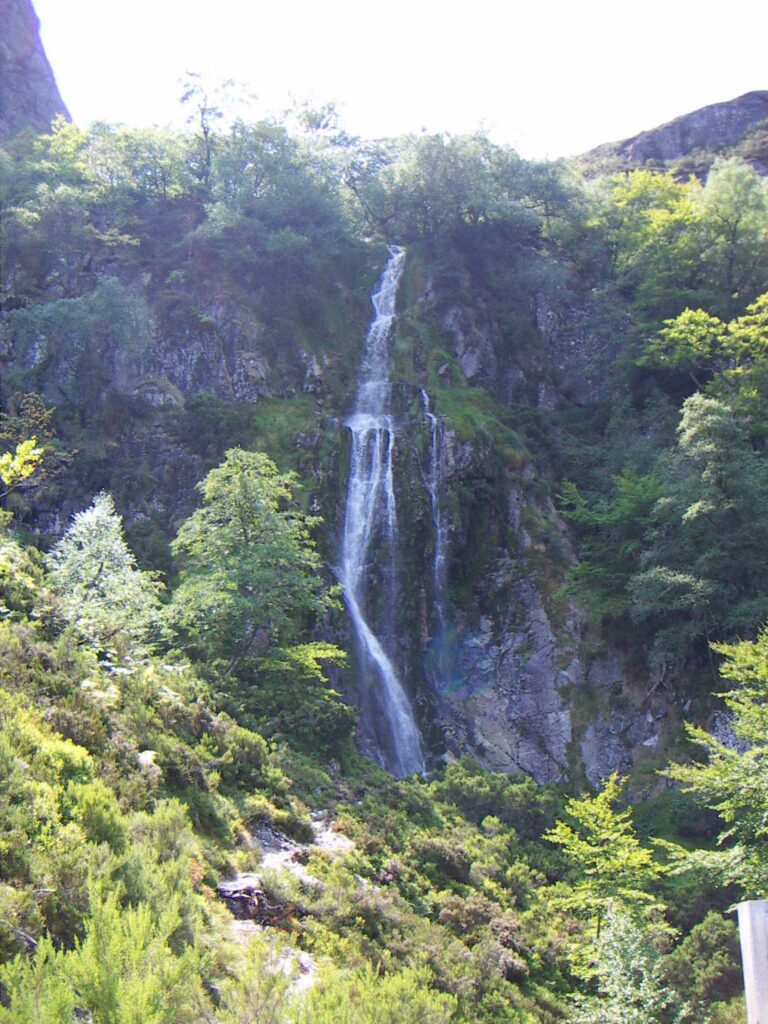
The town of Villayón, capital of the municipality, is the most populated settlement and its service centre, with the church of San Pedro as its religious landmark. But the great treasure of the municipality lies a few kilometres away, in the parish of Oneta: the Oneta waterfalls, declared a natural monument on 19 April 2001.
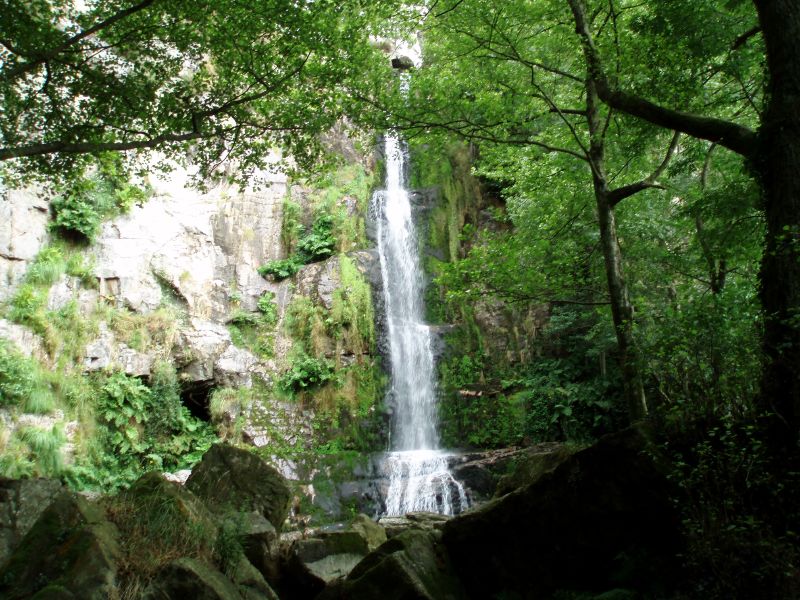
They are three permanent waterfalls on the river Oneta: La Firbia, the largest, 15 metres high and easily reached from the village of Oneta; La Firbia de Abajo (or La Ulloa); and La Maseirúa, the smallest and hardest to reach. A signposted path links the village with the falls through oaks, ashes and chestnuts, past the remains of old watermills.
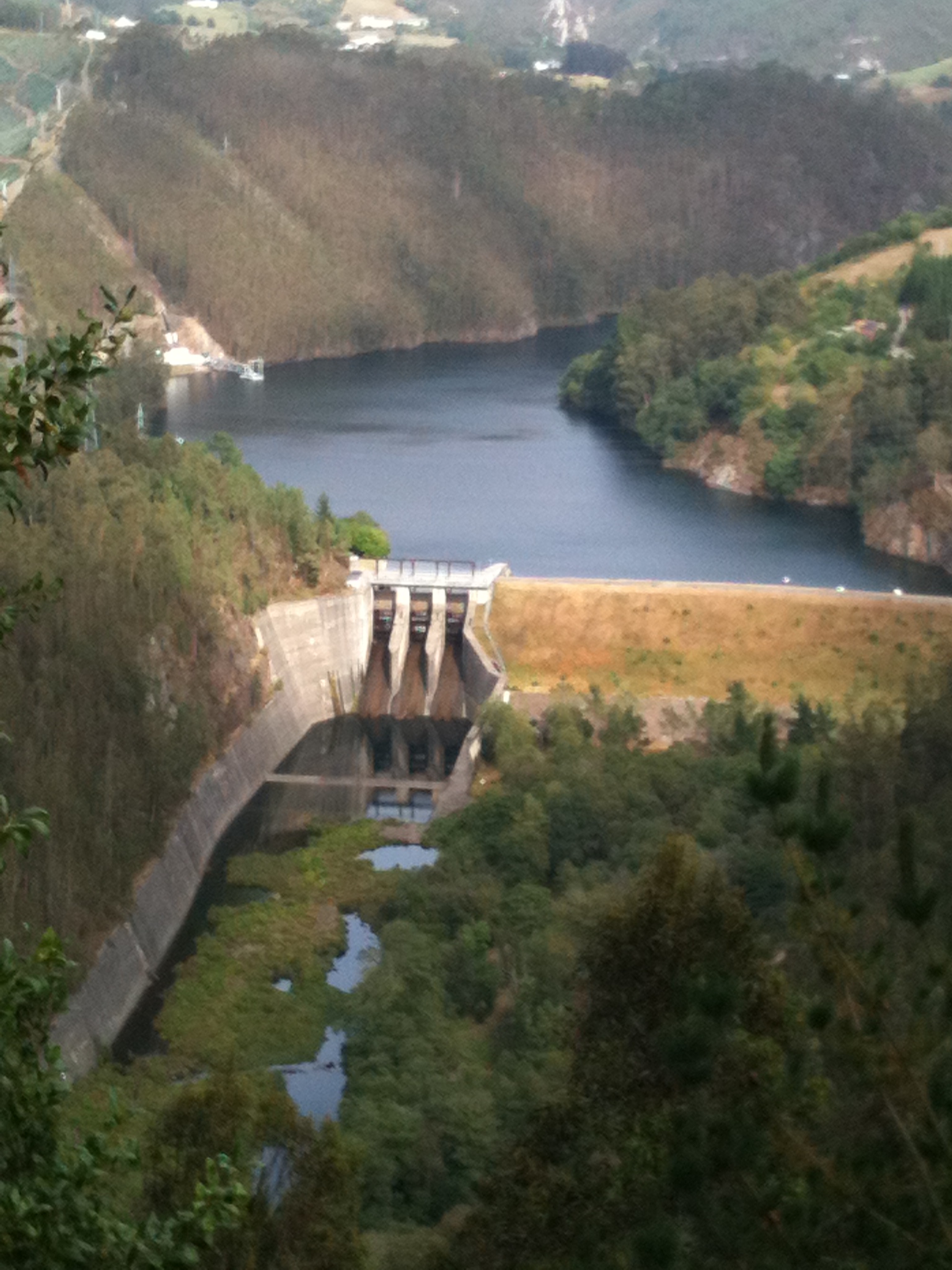
In the far west, the Arbón reservoir, built in 1967 on the river Navia, is a great mountain lake between forests: the Arbón hydroelectric plant is one of the few industrial presences in this farming municipality. The river Polea, a tributary of the Navia, shapes the Las Lomas valley in the south of the municipality.
The Carondio mountain range, to the south, holds megalithic burial mounds and peaks of around a thousand metres, such as El Agudo and El Conde. Also worth a visit are the chapel of Santa María de Oneta and the Illaso hillfort, a testimony to Roman gold mining in the area.
Camino de Santiago: no official Camino de Santiago crosses the municipality of Villayón. The Camino del Norte runs along the coast, to the north, and the Camino Primitivo passes further east and south.
How to get there
The regional road AS-25, which connects Villayón with Navia, is the municipality’s most important route to the outside world. The municipality lies in the inland of western Asturias, in the Navia river basin.
Festivals and gastronomy
The town’s patronal festivals are those of San Pedro Apóstol (St Peter), on 29 June, patron saint of Villayón. The calendar also includes San Pelayo, on 26 June in the parish of Arbón; the Virgen de los Dolores (Our Lady of Sorrows), on 15 September; and the All Saints’ Fair (Feria de Todos los Santos), on 31 October.
Municipality facts
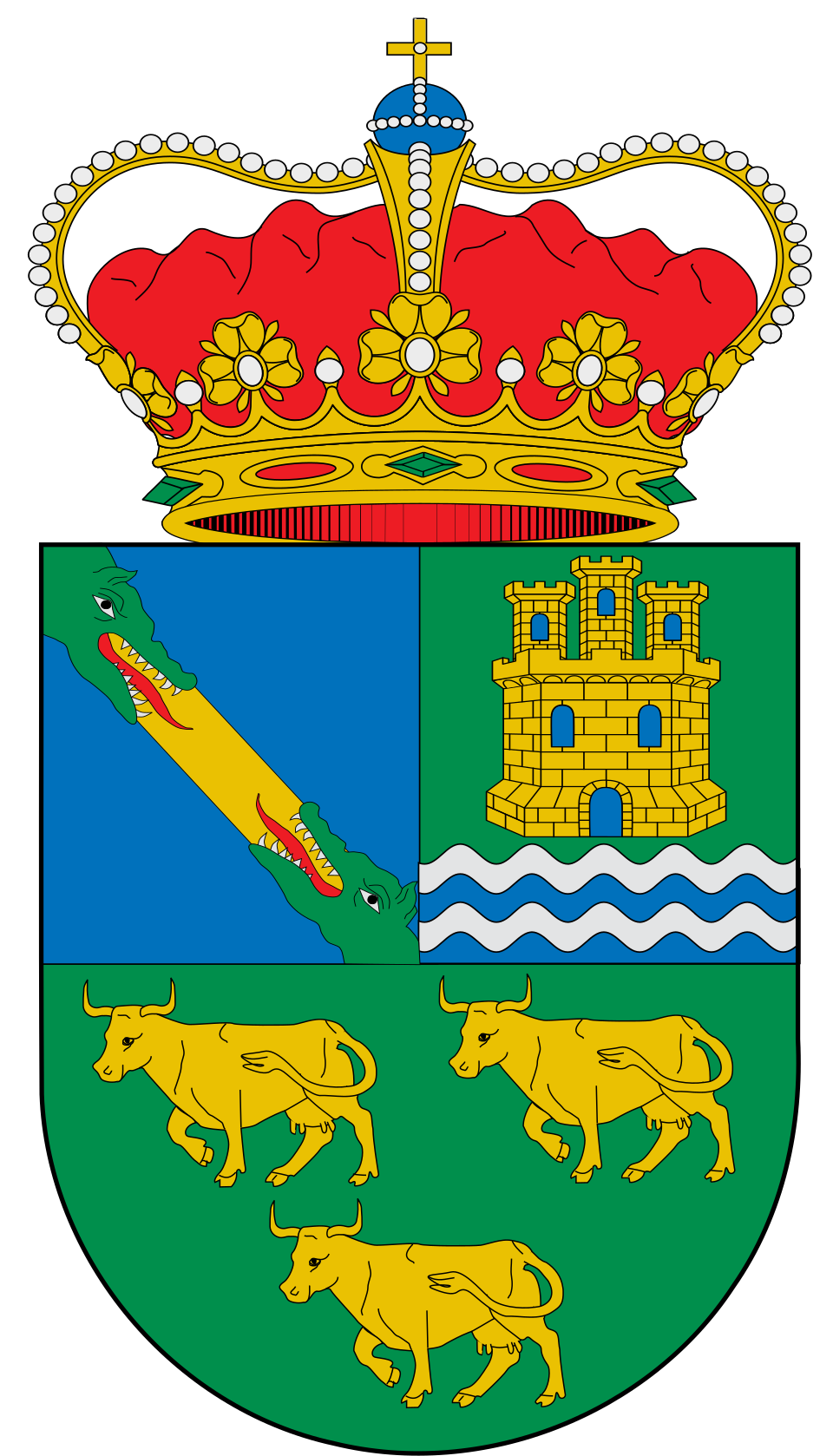
Coat of arms: Wikimedia Commons (SanchoPanzaXXI, CC BY-SA 4.0)
- Capital: Villayón
- Population: 1,054 inhabitants (INE 2025)
- Area: 132.46 km²
- Zone: West
- Town Hall: La Plaza, 12, 33717 Villayón. Tel. +34 985 62 50 51
Neighbouring municipalities
- Navia (north)
- Coaña (west)
- Boal (west)
- Illano (west)
- Valdés (east)
- Tineo (east)
- Allande (east and south)
Useful links
Want to correct or expand this information? Contact us.
See it on the interactive map: The 78 municipalities of Asturias