Pravia, Asturias: municipality guide
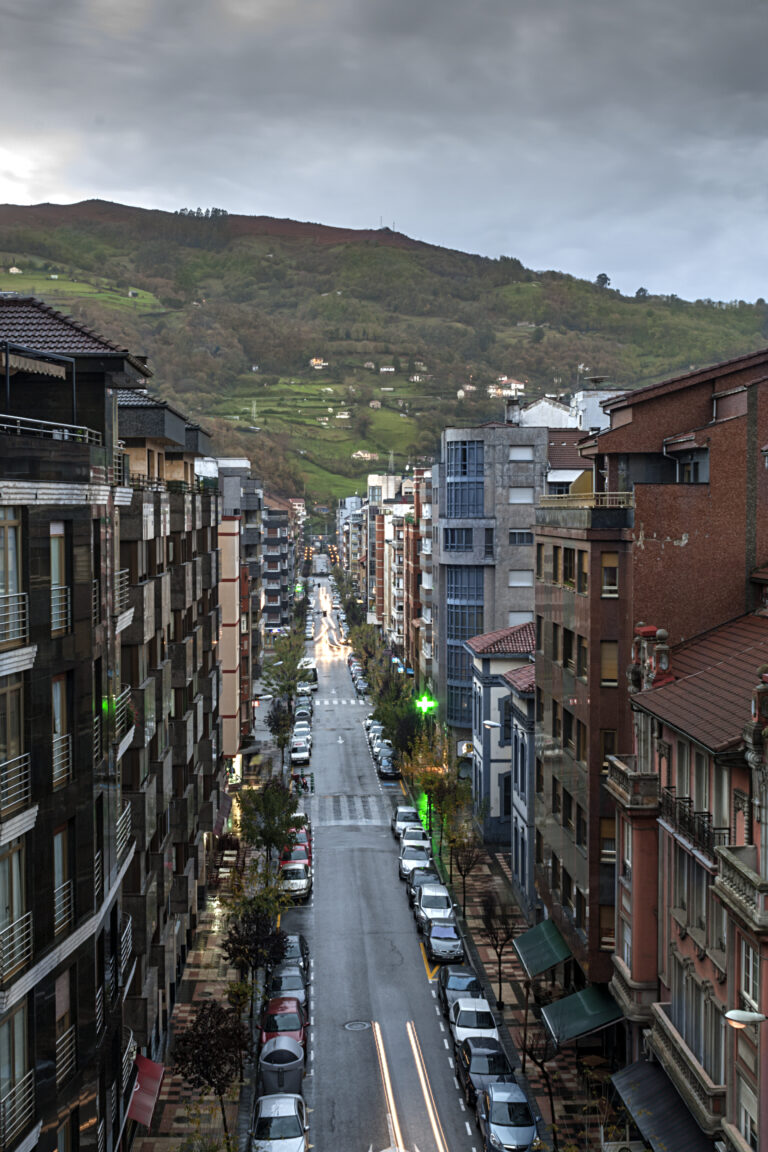
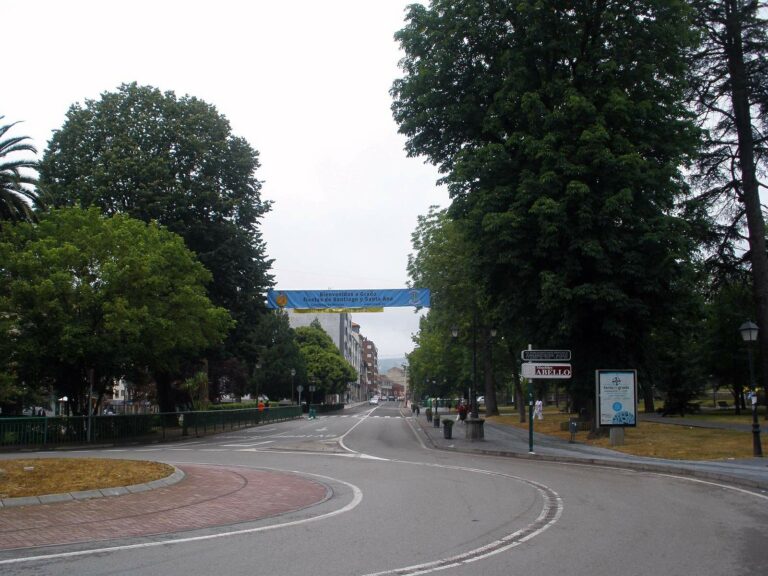
Pravia is a municipality in central Asturias with 7,792 inhabitants on 102.96 km². Its capital is the town of Pravia, once town and court of the Asturian monarchy under King Silo (774–783), which keeps the monumental splendour of those times: pre-Romanesque churches, palaces and manor houses in a fertile land watered by the Nalón, the kingdom of salmon and market gardens.
Things to see in Pravia
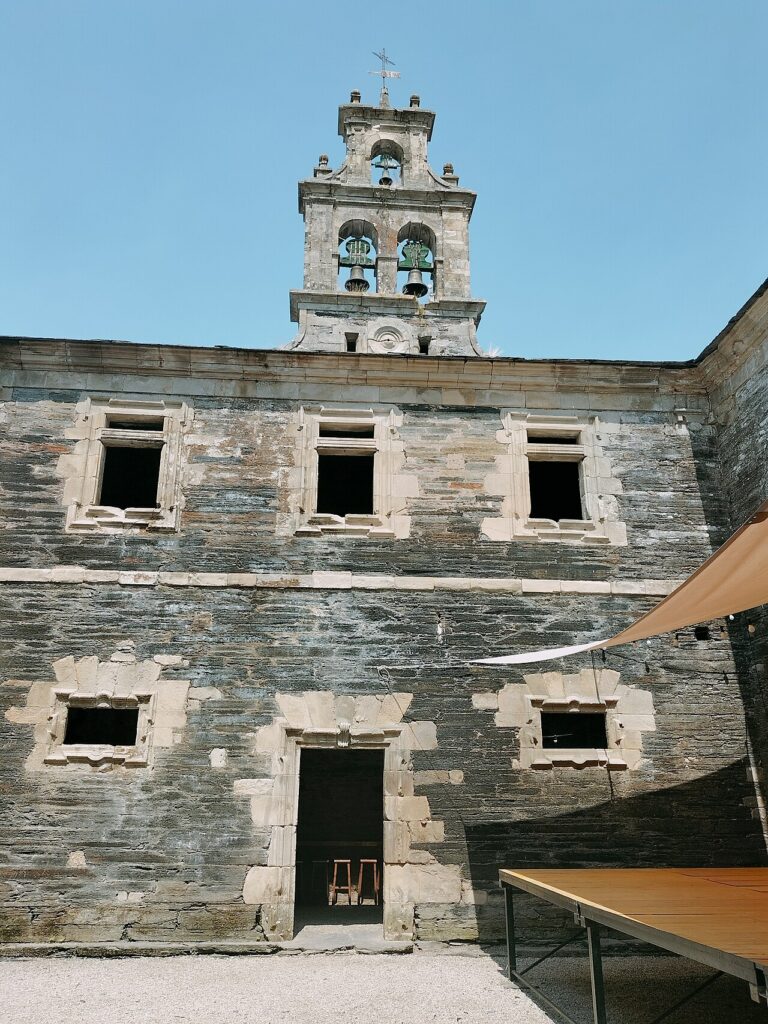
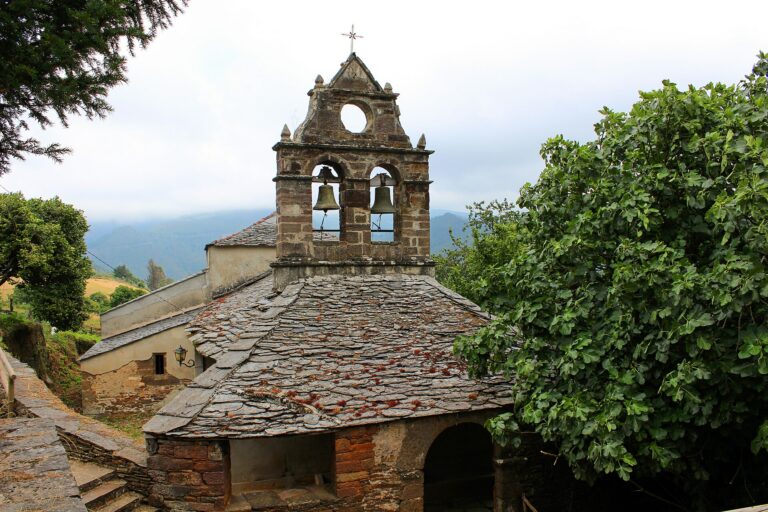
The municipality’s jewel is the church of San Juan Evangelista de Santianes, pre-Romanesque in style and built under King Silo’s mandate, with its famous labyrinthine inscription “Silo Princeps fecit”: it is the oldest surviving building of the Asturian monarchical period. Next to it, the Museo del Prerrománico (opened in 2007) explains that courtly past. In the town, the colegiata de Santa María la Mayor, the Moutas Palace and the medieval Virgen del Valle hermitage (14th century) stand out.
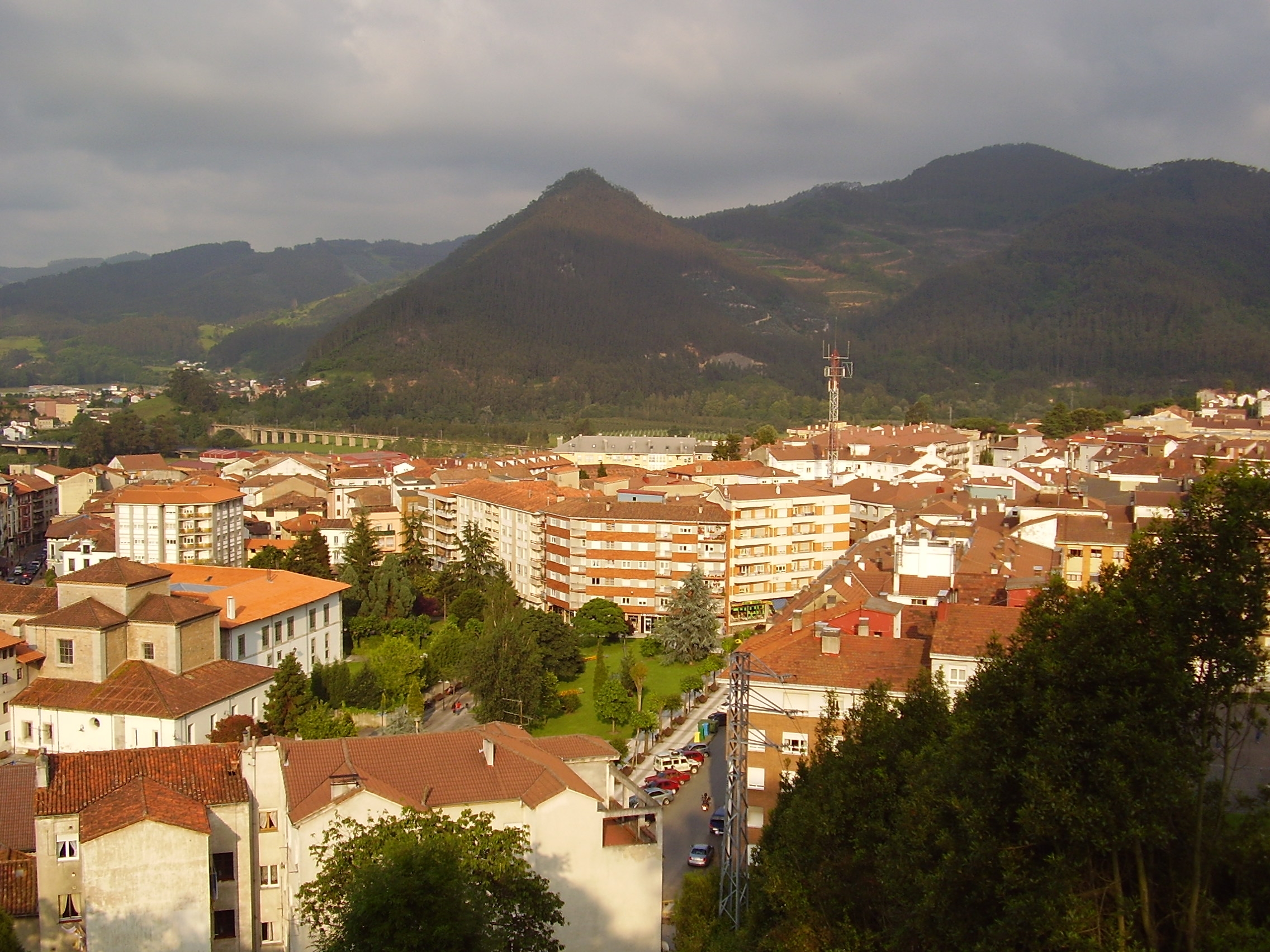
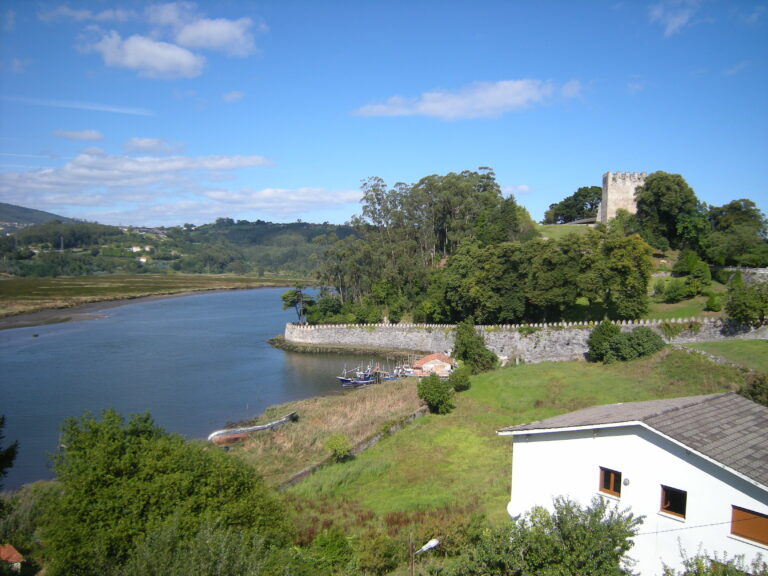
Beyond the town centre, the Arango Valley and the Ruta de los Indianos, between Peñaullán and Somao, cross Pravia’s indiano and rural side; Somao was declared Exemplary Town of Asturias 2020. The Thursday weekly market keeps the town’s trading tradition alive. To the north, the Pravia estuary —the mouth of the Nalón on the Cantabrian Sea— offers walks and viewpoints with San Esteban de Pravia in the background.
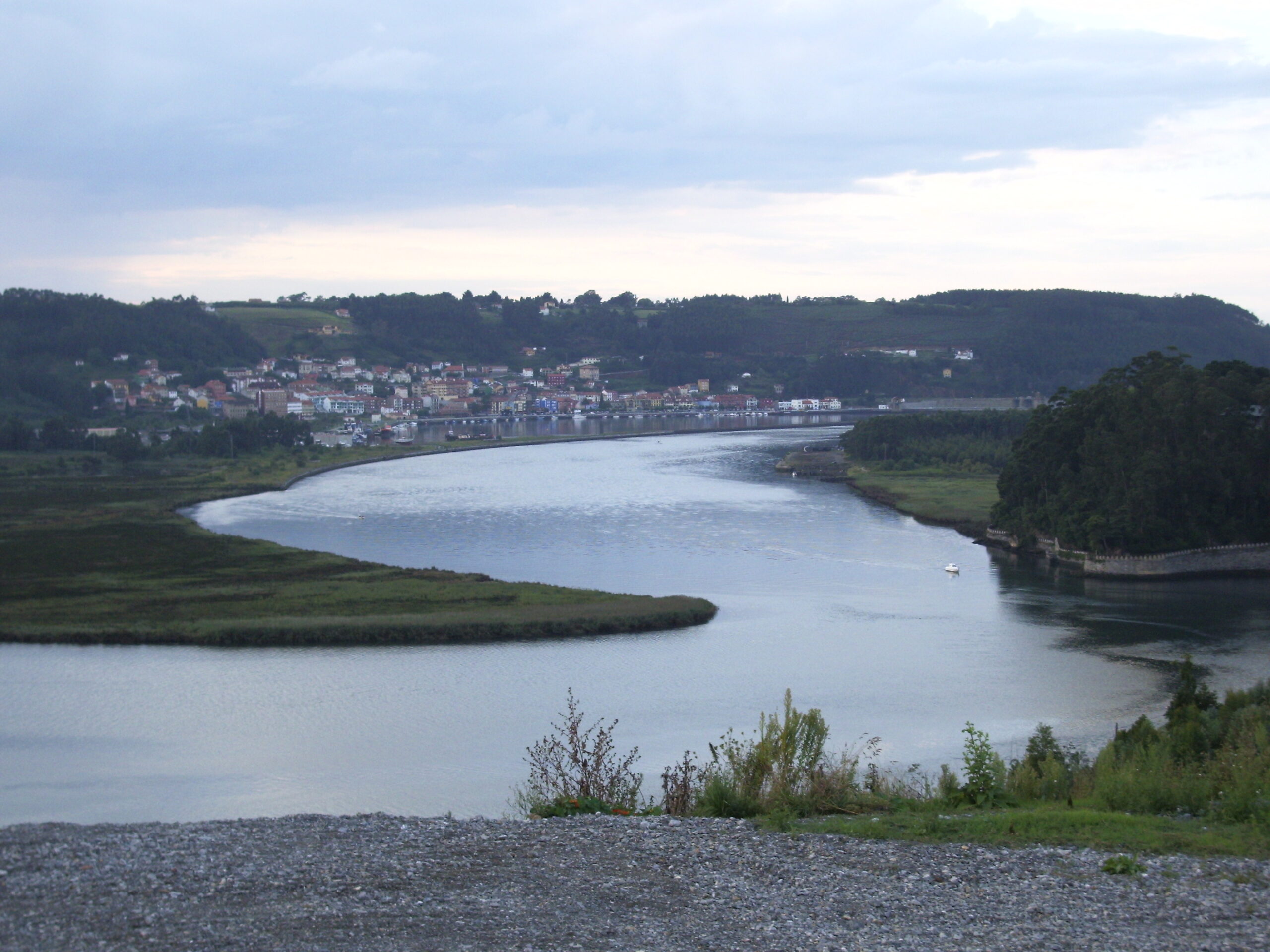
The Nalón estuary was also a mining and industrial enclave: the ria marks the municipality’s boundary with Soto del Barco and preserves the memory of the coal loading docks and of the salmon fishing tradition, as every spring the salmon run up the river.
Getting there
The main road is the regional AS-16, which crosses the municipality from north to south, from Soto del Barco to Salas, linking it with the Cantabrian Motorway (A-8). The secondary network is completed by the AS-236 (to Candamo), AS-368 (to Muros de Nalón), AS-369 (to Salas) and AS-347 (to Cornellana) roads. By rail, Pravia station is a crossroads of iron paths: the narrow-gauge lines of the Vasco-Asturiano (Oviedo–San Esteban de Pravia) and the Ferrol–Gijón railway meet there.
Map of the municipality of Pravia: the capital, in gold. Data © OpenStreetMap (ODbL).
Festivals and gastronomy
The big summer pilgrimage festival is El Xiringüelu (August), on the Nalón meadow at Peñaullán, with the Nalón Descent as its sporting event. April brings the Salmon Days, May the San Isidro festival in Santianes, July Santa Ana in Quinzanas and Carmen in Agones, and September El Cristo and the Virgen del Valle in Pravia, San Adriano in Corias and La Ponte in Arango. November hosts the Faba bean, kiwi, corn and honey fair. At the table, Pravia is —as Turismo Asturias puts it— the “kingdom of salmon and market gardens”: Nalón salmon and fabes, “the best Asturian fabada”.
Municipality facts
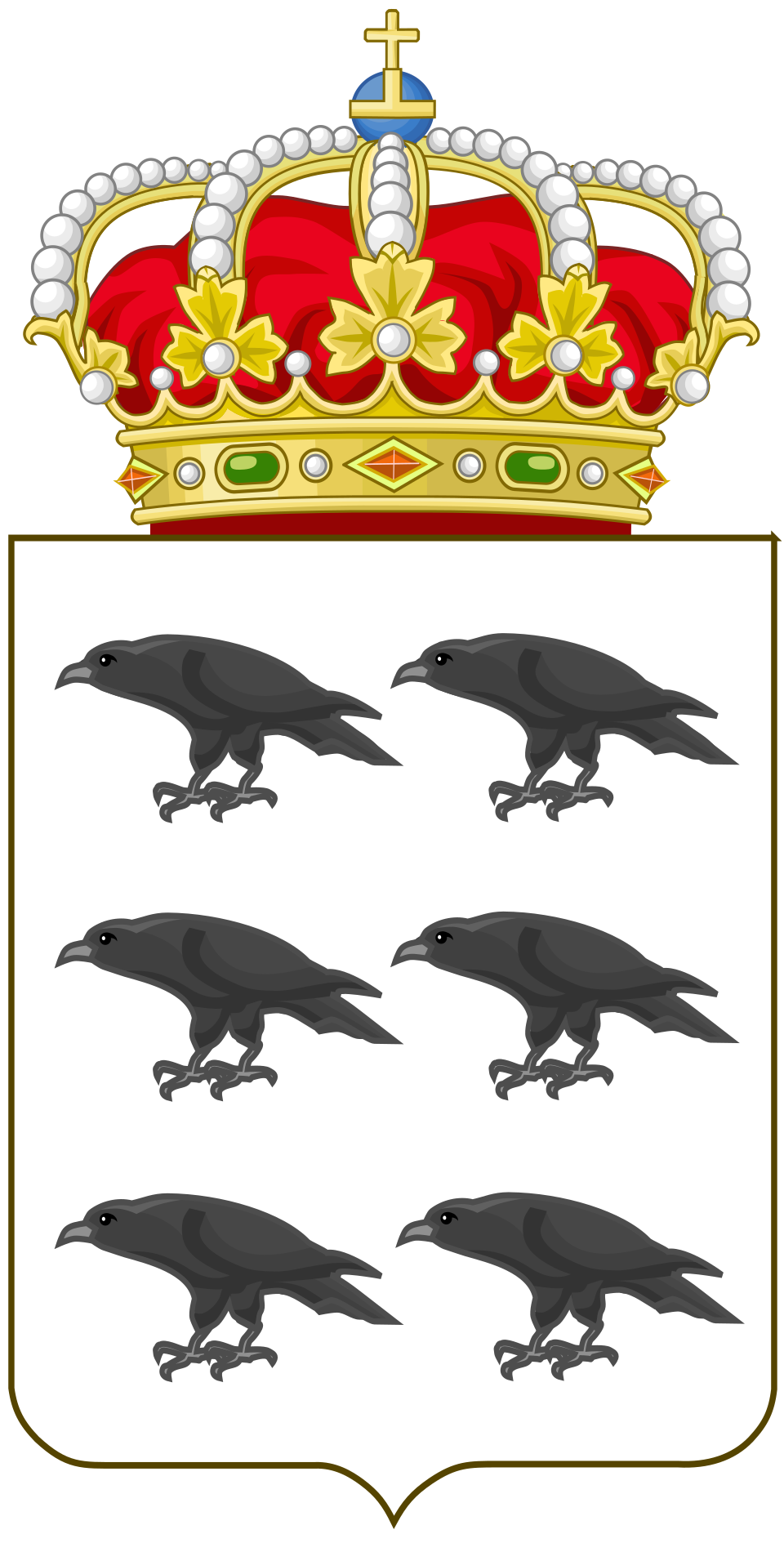
Coat of arms: Wikimedia Commons / Heralder (cuervos: Sodacan) (CC BY-SA 4.0)
- Capital: Pravia
- Population: 7.792 inhabitants (INE 2025)
- Area: 102,96 km²
- Zone: Central
- Demonym: praviano, praviana
- Town Hall: Plaza Marquesa de Casa Valdés, 1, 33120 Pravia. Tel. +34 985 82 35 10
Neighbouring municipalities
Useful links
Want to correct or expand this information? Contact us.
See it on the interactive map: The 78 municipalities of Asturias