Noreña, Asturias: municipality guide
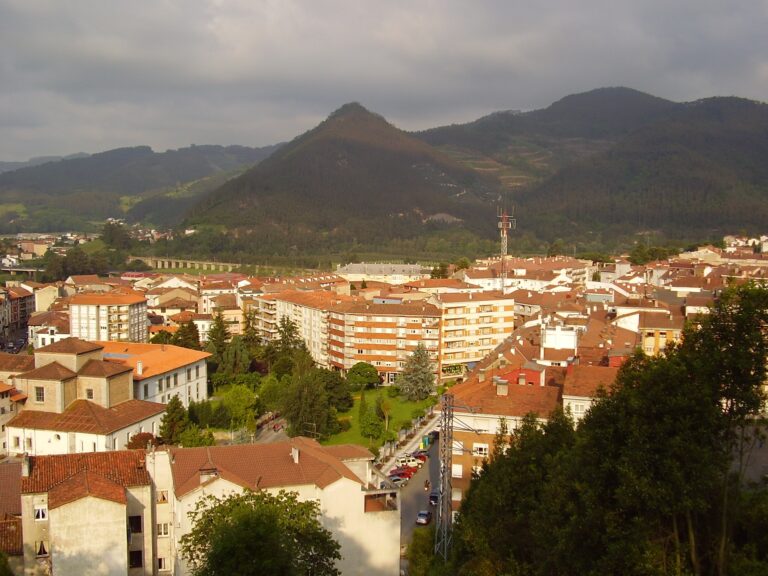
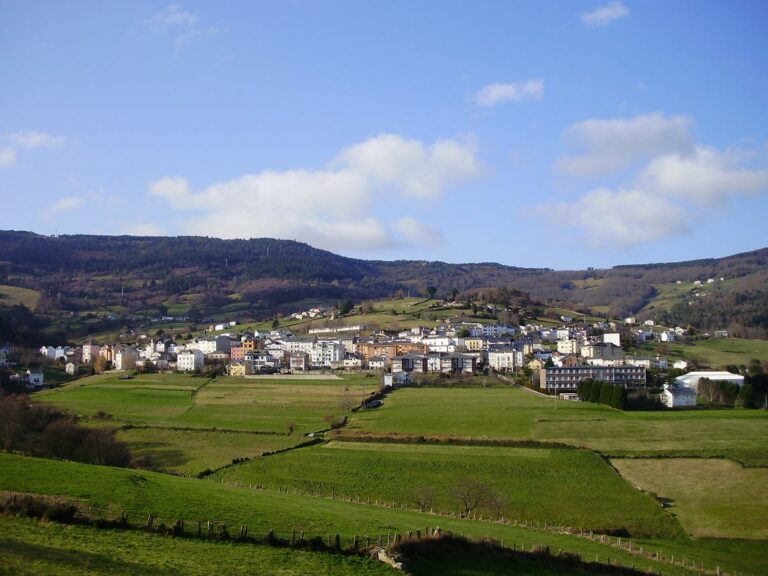
Noreña is the smallest municipality in Asturias: 5,131 inhabitants on just 5.29 km², the least extensive municipality in the region and one of the most densely populated, with one of the highest per-capita incomes. Its capital is the Villa Condal de Noreña (the “Count’s Town”), a territory fragmented into five enclaves nested within the municipality of Siero, 15 kilometres from Oviedo, famous across Asturias for its meat and cured-meat industries.
Things to see in Noreña
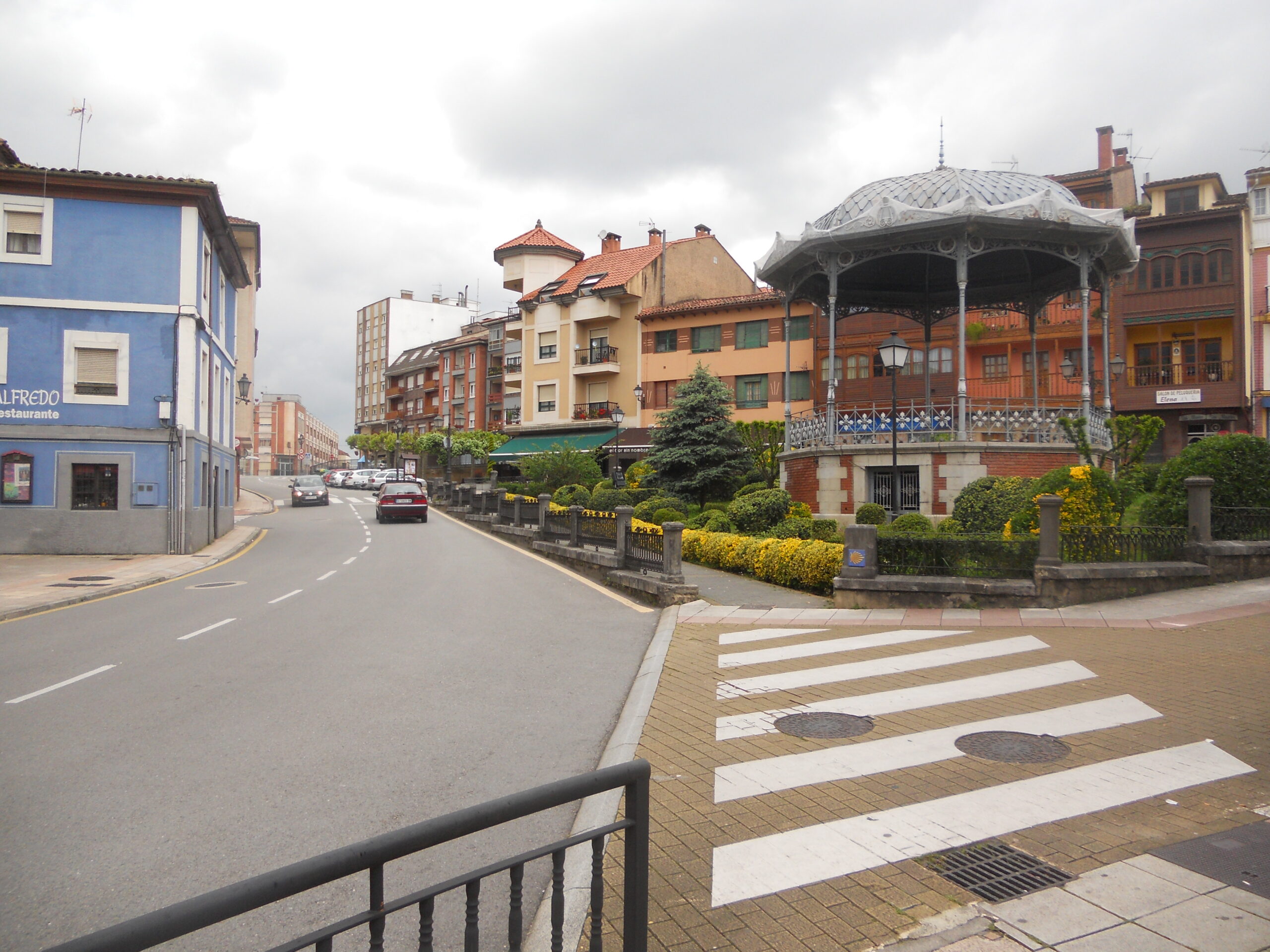
A stroll through the old quarter of the Villa Condal takes you back to a noble past of palaces and grand houses. In the centre stand the Town Hall, the Torre del Reloj (Clock Tower) and the Quiosco de la Música (music bandstand), alongside mansions such as the Palacio de Miraflores, built in 1567 by Gabriel Lorenzana, with its own chapel dedicated to San Joaquín and Santa Ana (1760).
The church of Santa María is a monumental three-nave church built over an earlier Romanesque one in the first third of the 16th century. In 1936 it suffered a fire and in 1939 the tower and part of the façade collapsed; it was rebuilt by architect Enrique Rodríguez Bustelo, who preserved the Gothic layout and ribbed vaults. Inside, the Renaissance high altarpiece stands out, brought in 1948 from the church of San Pedro de Torrelobatón (Valladolid).
In the castañéu de La Soledad rises the chapel of the Ecce Homo, founded in 1665 by Lucas Muñiz, destroyed by fire in 1901 and rebuilt in 1903 to a design by Luís Bellido (remodelled in 1953 by Rodríguez Bustelo). It is the epicentre of the patronal festivals: the current image of the Ecce Homo, by Gregorio Galán del Amo, is a replica of Martínez Montañés’ Cristo de La Pasión.
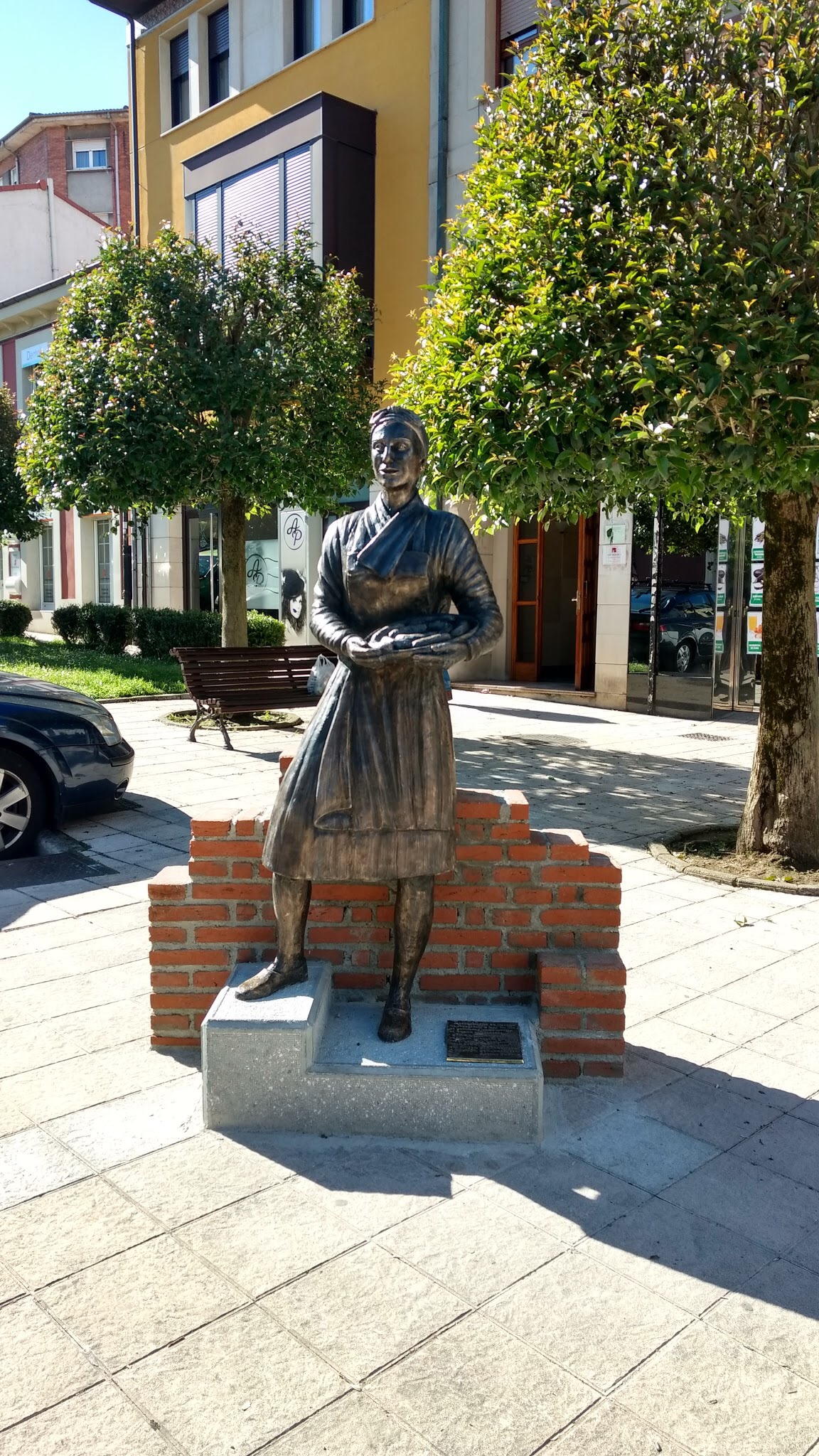
Noreña’s identity is best understood on foot: the bronze statue of the Chacinera pays tribute to the women of the meat industry, and the gochu (pig, in Asturian) has its own monument in the heart of the town. In summer, free guided visits cover the permanent exhibition “Zapateros de Noreña” (Noreña’s shoemakers) and the old quarter’s landmarks.
How to get there
Fifteen kilometres from Oviedo, the municipality is crossed by the N-634 (between km 394 and 395), the AS-376 running parallel to the AS-I (Autovía Minera) and the AS-384 towards Llanera, with the A-64 (Oviedo–Villaviciosa) very close by. There is a Cercanías commuter station (line C-5a Gijón–Oviedo, via El Berrón) and regular buses to Oviedo and Gijón.
Festivals and gastronomy
The patronal festivals are those of the Ecce Homo, in September: the Bajada (descent) of the image from its chapel to the parish church, the novena and the main day, the first Monday after 14 September, with the procession, the Día del Gochu, the countryside romería, open-air dances, the float parade and the early-morning Baile del Caldo. In April, the Fiesta del Picadillo y del Sabadiego (feast of San Marcos, patron saint of butchers, 24–26 April) pays tribute to the pig and is declared a Festival of Tourist Interest of the Principality of Asturias. The weekly market is held on Saturdays. On the table, the town’s meat and cured-meat industries guarantee a unique cuisine: callos (tripe), adobo, mollejas (sweetbreads), fabada and the sabadiegos, the typical Noreña sausage with its own Order devoted to promoting it.
Municipality facts

Coat of arms: Wikimedia Commons (free license)
- Capital: Noreña
- Population: 5,131 inhabitants (INE 2025)
- Area: 5.29 km²
- Zone: Central
- Demonym: noreñense
- Town Hall: Avda. Flórez Estrada, 2, 33180 Noreña. Tel. +34 985 74 00 61
Neighbouring municipalities
Useful links
Want to correct or expand this information? Contact us.
See it on the interactive map: The 78 municipalities of Asturias