The black pottery of Llamas del Mouro
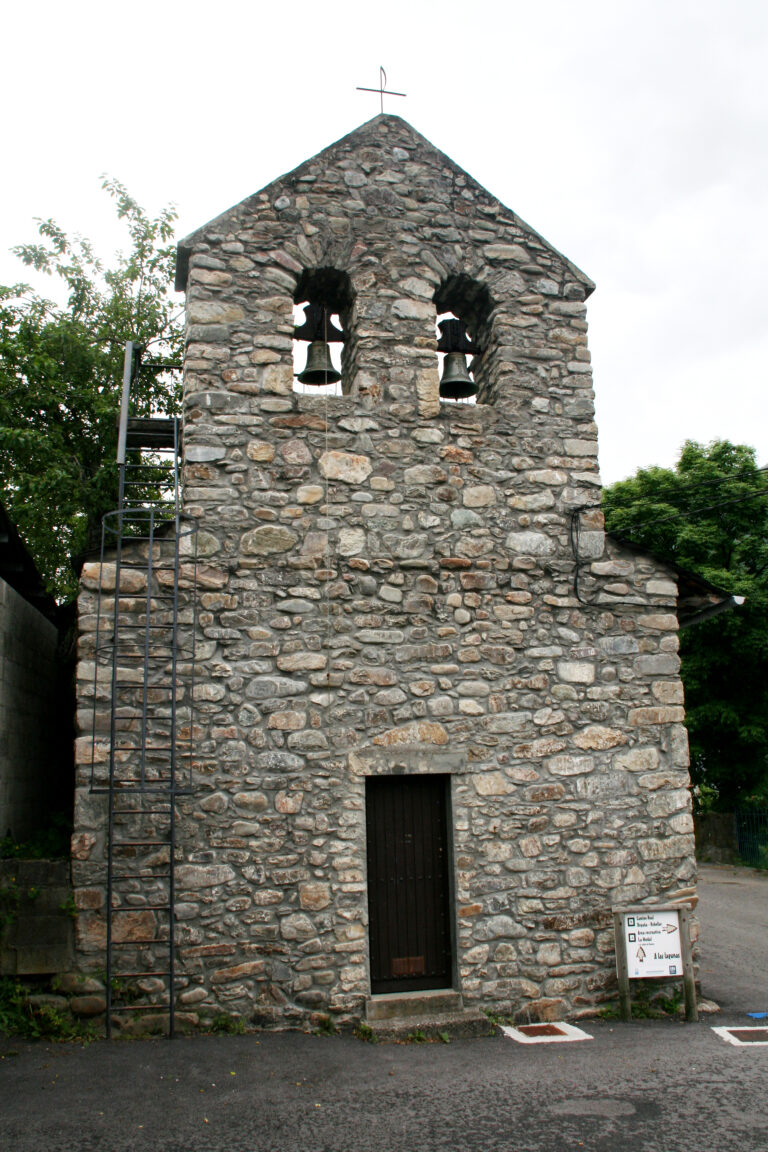
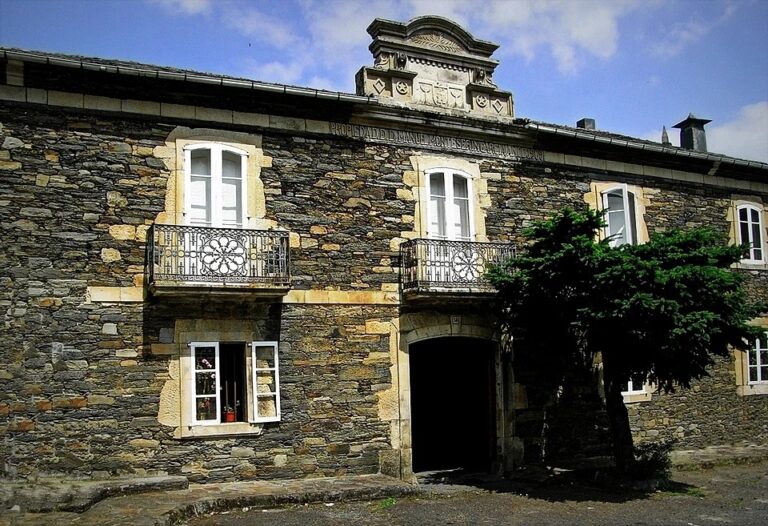
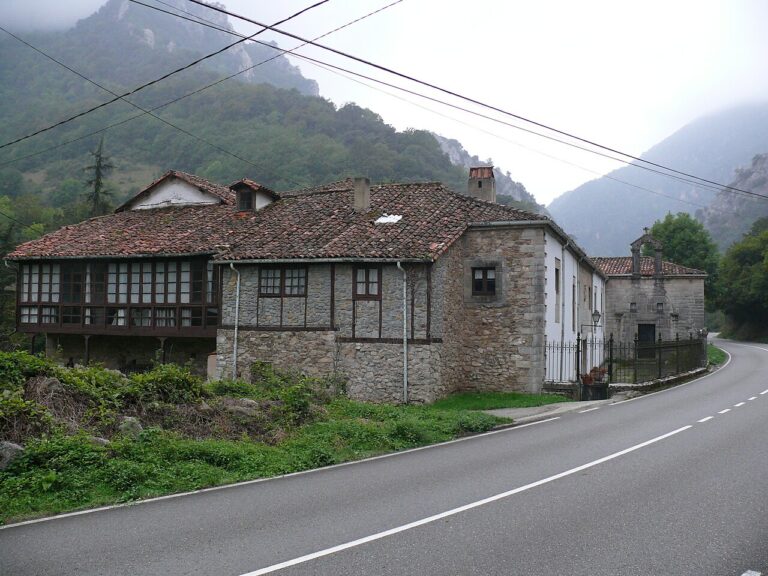
In the west of Asturias, in the parish of San Martín de Sierra, in the municipality of Cangas del Narcea, the small village of Llamas del Mouro keeps one of the most unique craft traditions of the Iberian Peninsula: black pottery. 22 kilometres from the capital of the municipality, this corner has taken its clay beyond borders thanks to pieces of a deep black, with metallic sheens, still shaped by hand as they were centuries ago.
The village and the last potters
The pottery of Llamas del Mouro is lost in time: since the 16th century the craft was already fully established in the village, and in its best moments more than a dozen kilns were working at the same time —in the 1950s there were still 16 potteries open—. Each house had its wheel, its kiln and its know-how.
But emigration and the arrival of new materials gradually extinguished the kilns one by one. In 1976 only one pottery remained open: that of Jesús Rodríguez Garrido. He was the person who managed to keep this tradition from being lost, and today his children and grandchildren keep the craft alive. The descendants of the Rodríguez family are the only artisans still making black pottery in Llamas del Mouro, the only place in western Asturias where this pottery survives.
The pieces and their uses
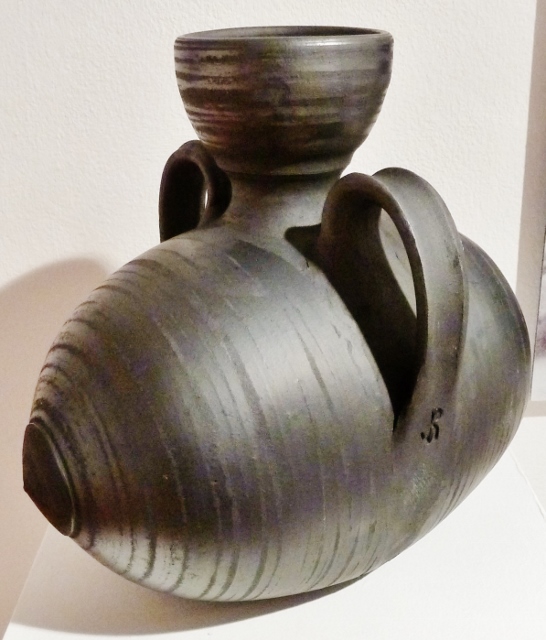
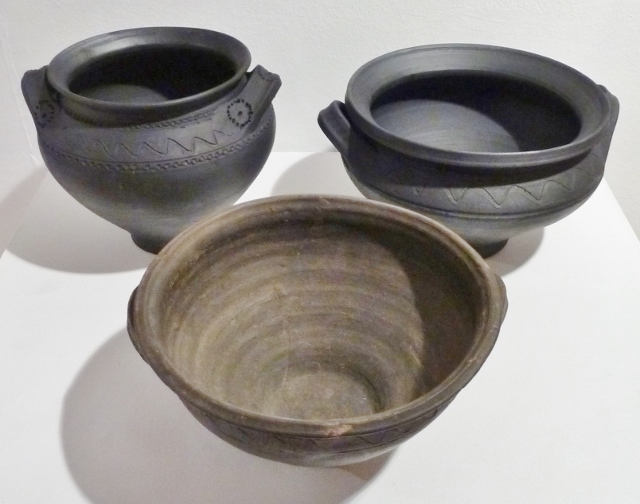
The pieces of Llamas del Mouro were not born as decorative objects, but as living utensils to sustain everyday life. Their deep black with metallic sheens, their resistance and their ability to preserve food made them essential to the domestic economy: cheese was made in them, butter was kept, wine was served and food was cooked in them.
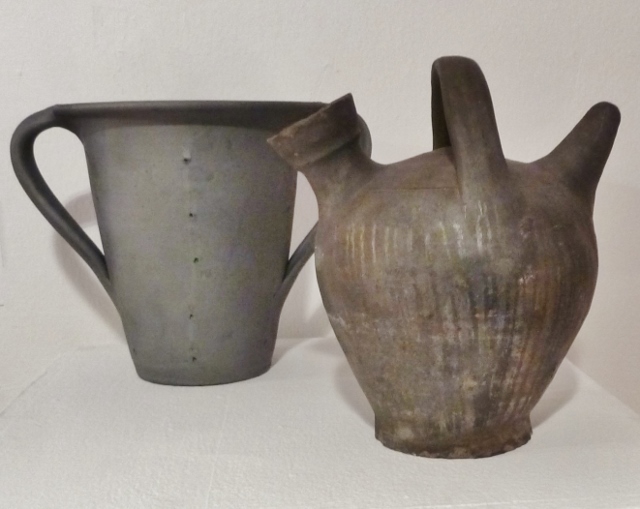
The traditional forms respond to concrete needs: the xarros —like the xarros de pixulin—, the ollas for cooking, the escudiel.las for serving, the penadas for carrying water from the fountain home and the tarreñas for keeping cream and butter. Alongside them, the cántaros, the queseras perforated for draining cheese, the pucheros for coffee or the botijos and porrones for carrying water to the harvest.
The technique of the black
The clay is extracted at El Reguerón, a kilometre from the pottery: two different earths, one light and one reddish known as «colorado», mixed in the proportion that tradition passes down from generation to generation. After kneading, the piece goes onto the foot wheel and, when it reaches the right degree of dryness, it is burnished: that polishing is responsible for the deep sheen the pottery acquires after firing.
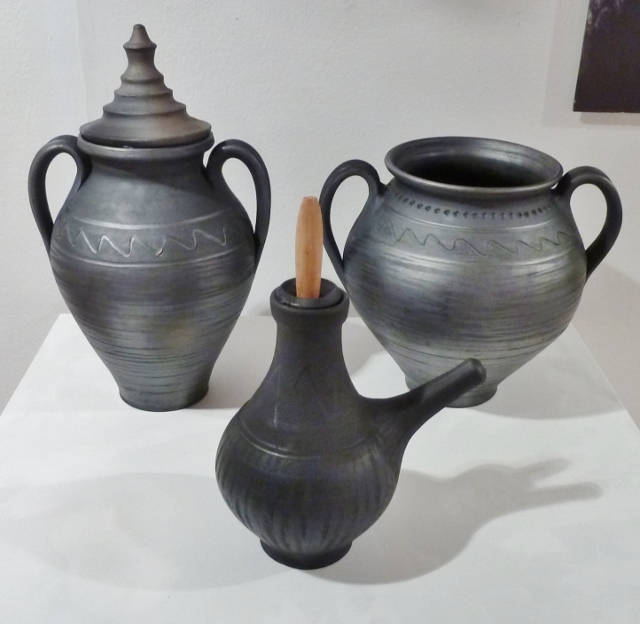
But the true transformation happens in the kiln. The firing is done in open wood kilns that reach between 800 and 1000 degrees. At the end comes the decisive moment: all the openings of the kiln are sealed —it is «drowned»—, covering the fuel with tapines, blocks of turf with earth. By preventing the entry of oxygen a reducing atmosphere is generated, loaded with carbon, which is what dyes the clay that deep black. Each firing is unrepeatable: you never know exactly what black has been born in the darkness, and the pieces remain in the kiln for several days to cool slowly.
Today, the pottery of the Rodríguez family keeps working in Llamas del Mouro, repeating the inherited gestures and adapting them to new times without betraying their essence. Anyone who wants to visit and see how clay turns into night can visit their workshop-shop in the village: ceramicanegraasturias.com (phone +34 985 92 12 35).