Roman gold in Asturias: Navelgas and the western mines
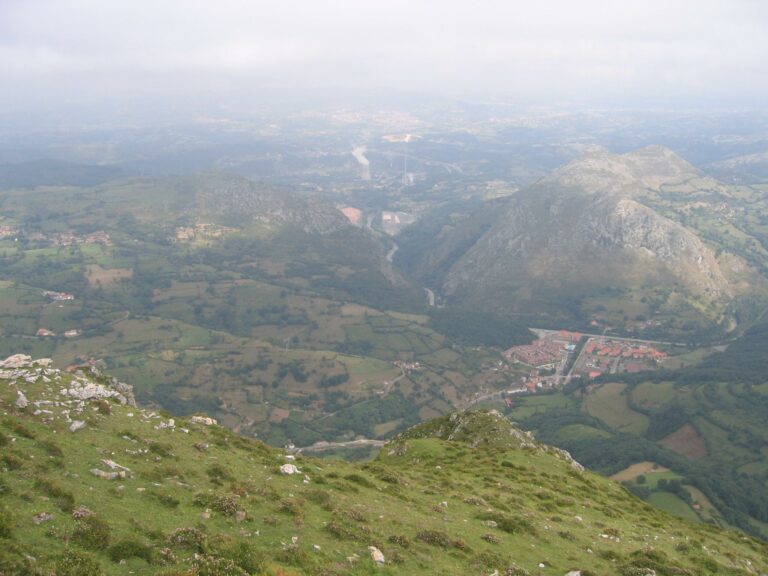
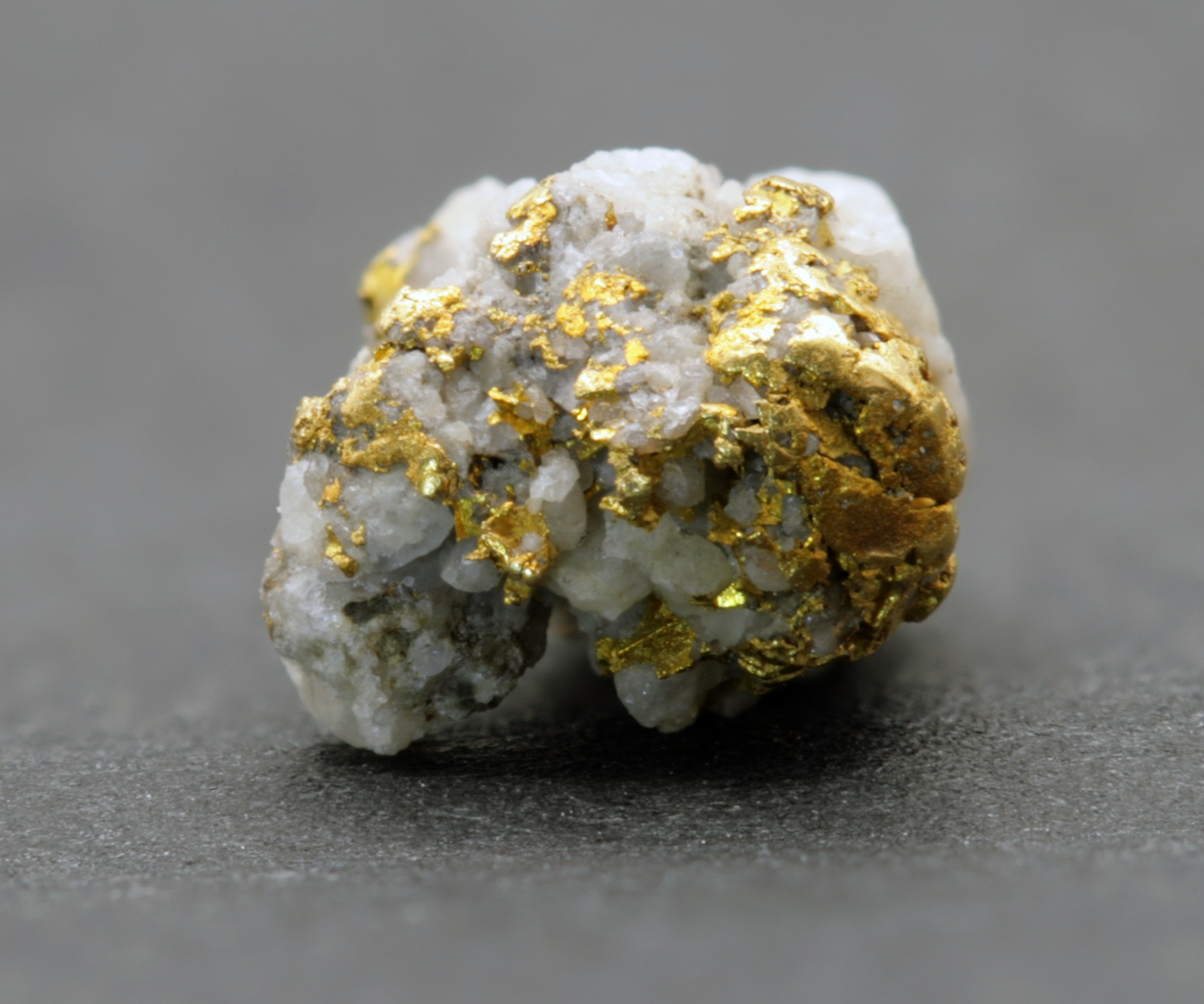
The south-west of Asturias hides one of the most fascinating mining stories of the Iberian peninsula: two thousand years ago, Rome extracted gold here in large quantities. Today, in Navelgas (Tineo), known as the «Valley of Gold», that past is still alive in the Museo del Oro de Asturias, the Ruta de la Huella del Oro and gold panning, which has gone from an age-old technique to a sport with national and world championships.
The Roman mines of western Asturias
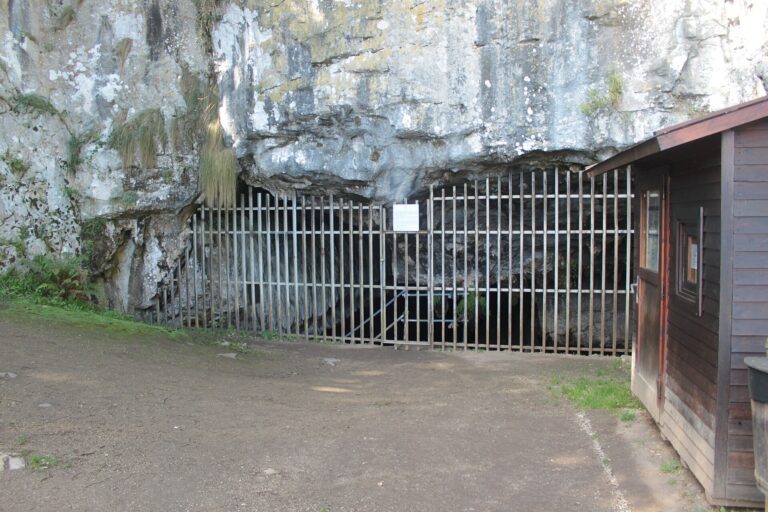
The gold of south-western Asturias attracted Rome, which organised a genuine mining district here. The workings were open-cast and moved colossal volumes of earth for the time. The star technique was ruina montium: water was stored in ponds high above the workings and channelled down to the mining faces, where it was released all at once to bring down the gold-bearing hillsides; the sands were then washed to separate the metal.
The traces of that engineering are still visible in the landscape: open cuts, channels and ponds that, two thousand years later, still reveal where the Romans looked for the precious metal.
The Museo del Oro and the Ruta de la Huella del Oro
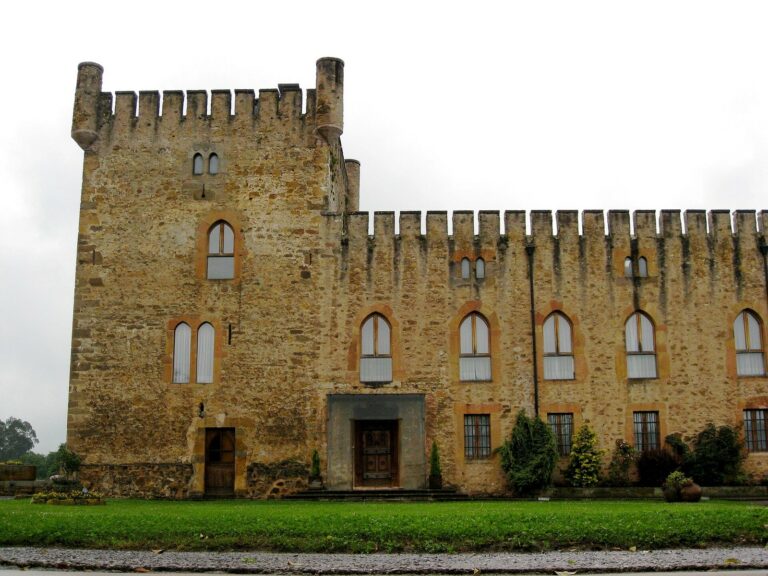
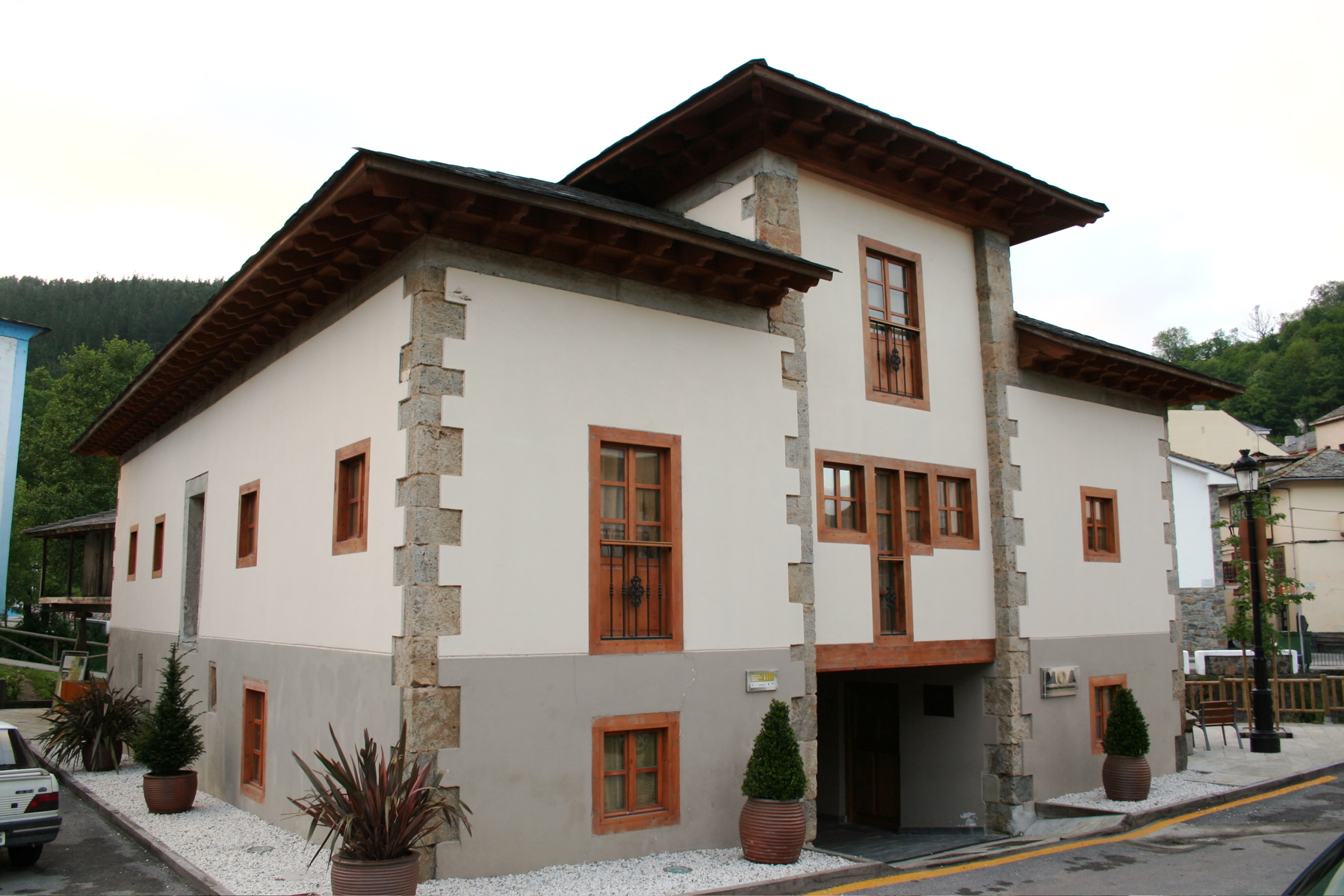
The Museo del Oro de Asturias (MOA) is housed in the Casona Capalleja, in the San Nicolás quarter of Navelgas, and opened its doors in June 2006. Its tour runs from the geological formation of gold to Roman mining and traditional panning, with the aim of explaining why this valley became the gold heart of Asturias.
The perfect complement to the visit is the Ruta de la Huella del Oro (PR-AS 195): a 1.5-kilometre circular trail (about 45 minutes) that crosses ancient Roman mines, ponds and channels, letting you walk literally over the workings of two thousand years ago.
Gold panning, a living sport
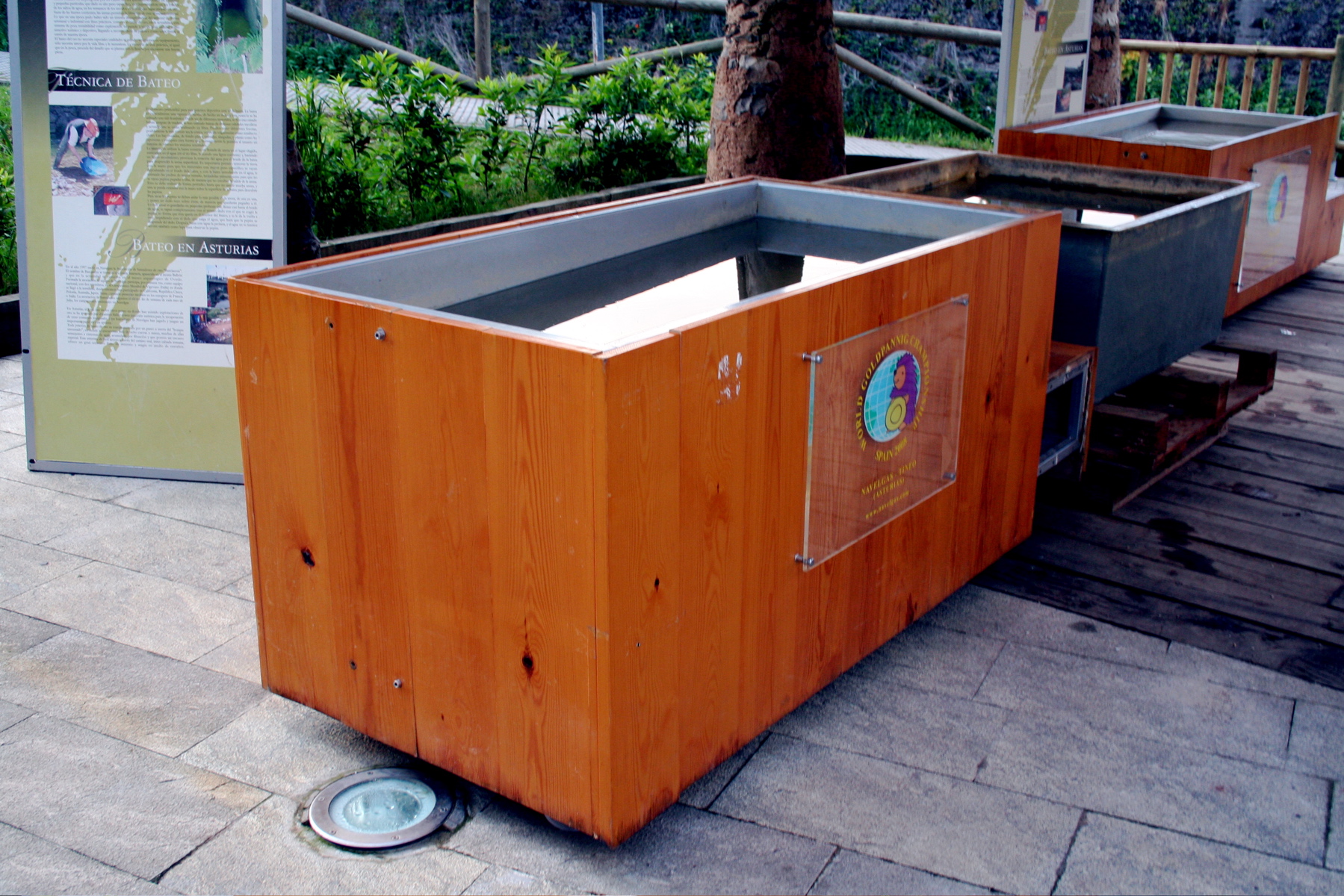
Gold panning is the age-old technique for separating gold from sand with the pan. In Navelgas it is not just a memory of the past: it is practised as a sport, and every last weekend of July the village hosts the Spanish National Gold Panning Championship, organised by the Asociación de Bateadores de Oro «Barciaecus» and declared a Festival of Regional Tourist Interest in Asturias.
International recognition came in August 2025, when Navelgas hosted the 49th World Gold Panning Championship (3–9 August), with 600 competitors from 24 countries: confirmation that the «Valley of Gold» is today the world capital of this sport.
And the story of Asturian gold did not end with Rome: the modern El Valle-Boinás mine (Belmonte de Miranda), one of the largest gold mines in Europe, keeps the gold tradition of the west alive, while the Aula del Oro de Belmonte explains it as an interpretation centre. From ruina montium to competitive panning, gold still runs through the veins of Asturias.