Castropol, Asturias: municipality guide
Castropol is a municipality in western Asturias, in the Eo-Navia comarca, bathed by the Eo estuary that separates it from Galicia. Its capital is the town of Castropol, and it has 3,202 inhabitants (INE 2025) over an area of 125.77 km².
What to see in Castropol
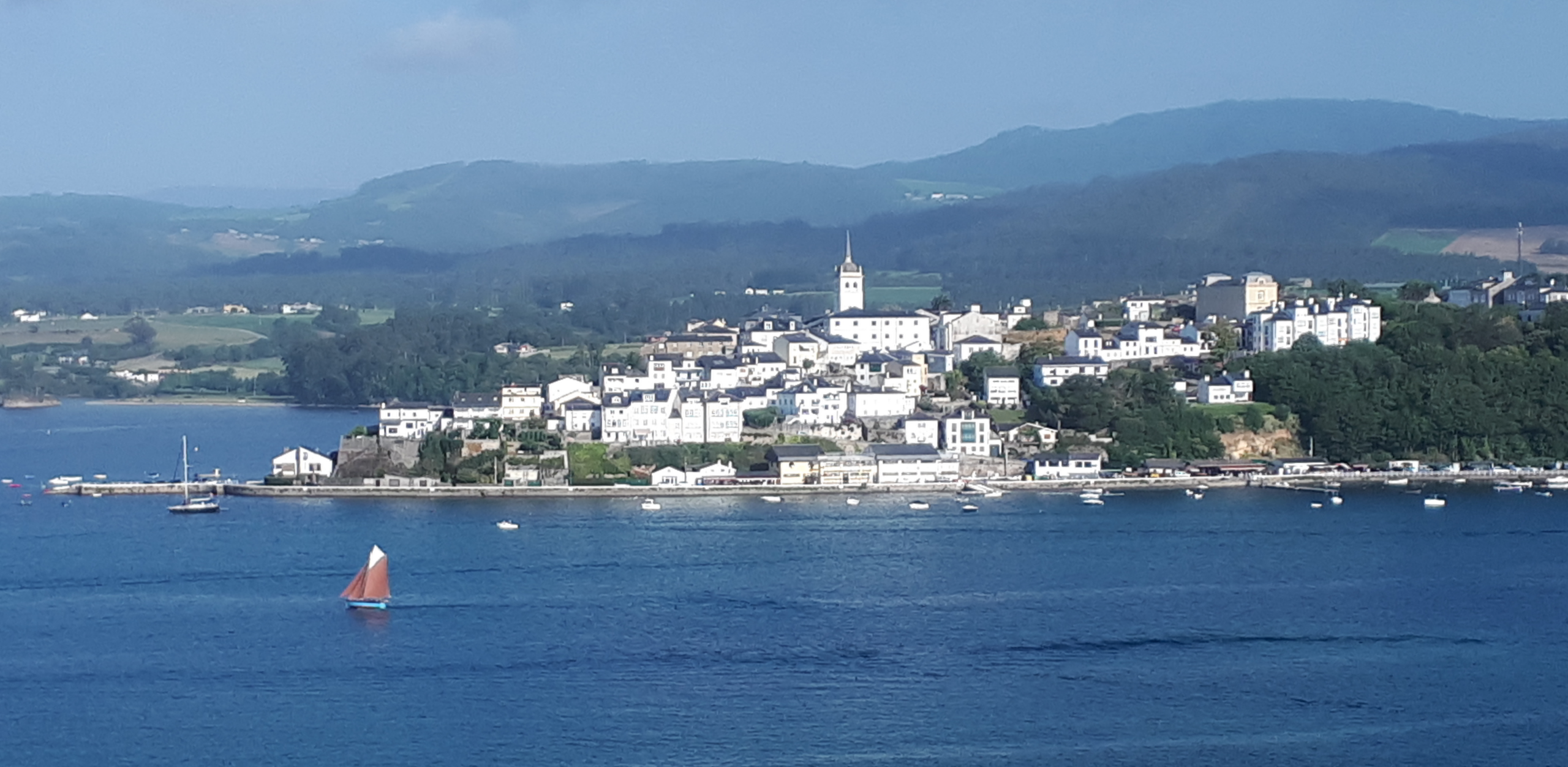
The town of Castropol, the municipality’s capital, stands on a promontory on the eastern shore of the Eo estuary. Founded as a pola (chartered town) in the early 14th century by the bishop of Oviedo, its historic quarter, with palaces and ancestral homes, was declared a Bien de Interés Cultural in 2004. In 1997 it received the «Exemplary Town of Asturias» award for its respect for enlightened traditions and cultural heritage.
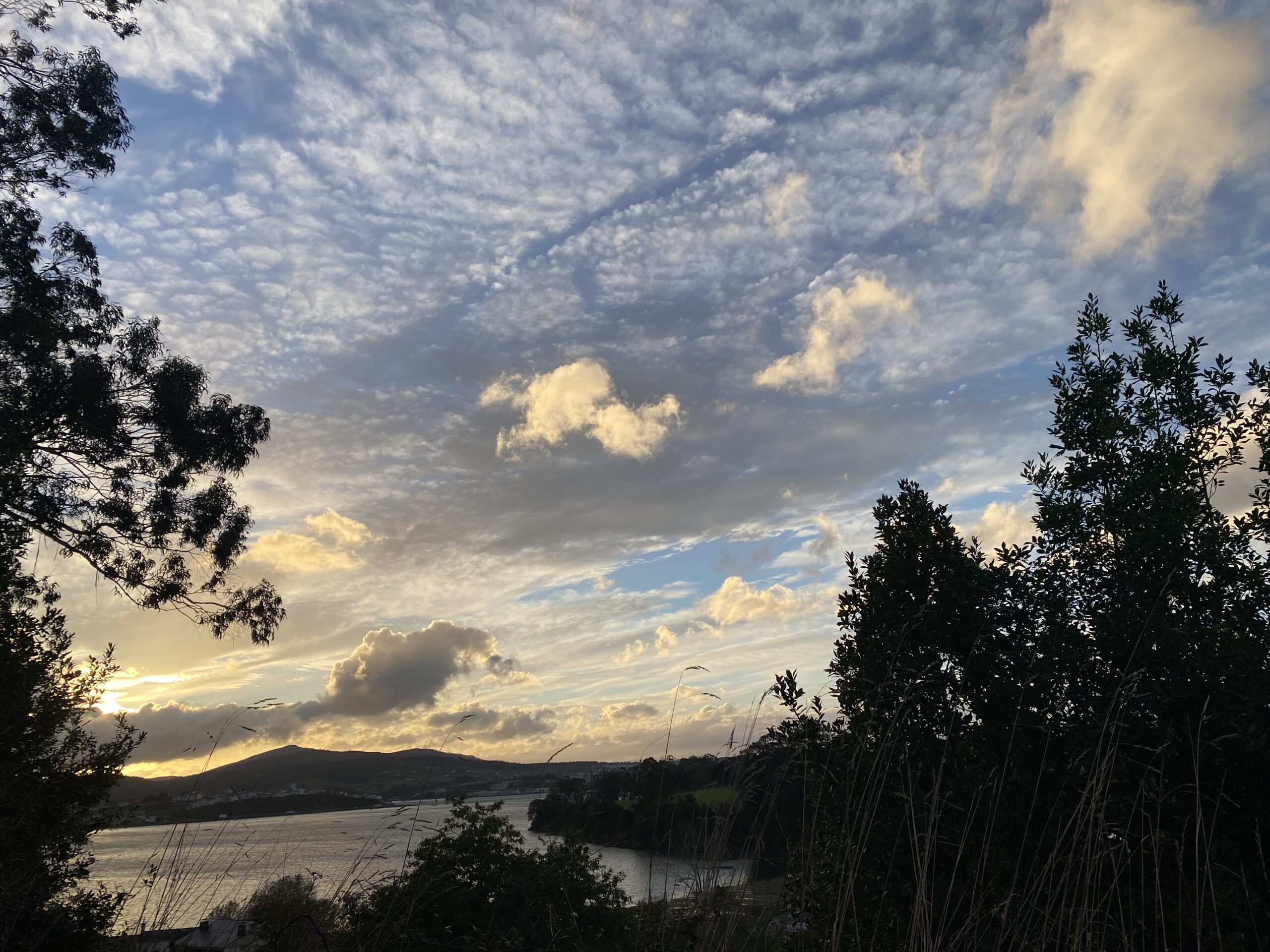
The Eo estuary marks the natural border with Galicia and is the municipality’s great landscape. From viewpoints such as Reboledo, visitors can contemplate the mouth of the estuary and the silhouette of the town. Its waters are used to farm oysters and clams, two of the area’s most prized products.
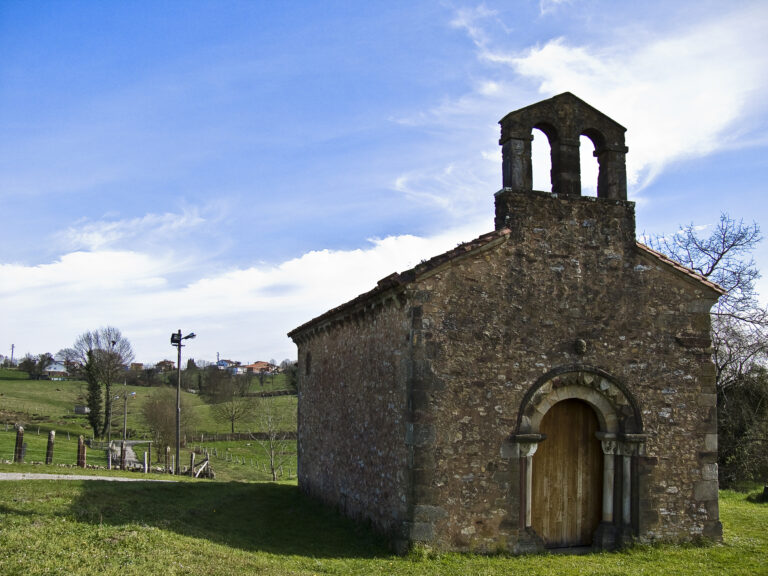
The town’s religious and civil heritage includes the chapel of Santa María del Campo (15th century), which survived the fire of 1587; the parish church of Santiago Apóstol, from the late 16th century, with baroque altarpieces; the palaces of Valledor and of the Marquises of Santa Cruz de Marcenado; and the Casa de las Cuatro Torres. The Casino, now the House of Culture, houses the Biblioteca Popular founded in 1921, one of the finest of its kind in Spain.
Figueras, the municipality’s second town, preserves the estuary’s seafaring atmosphere with its harbour and indiano houses. Highlights include the Pardo Donlebún palace, of the counts of Trénor, and the Peñalba hotel, an example of Art Nouveau architecture built by an indiana as a summer residence. Its main festival is El Carmen.
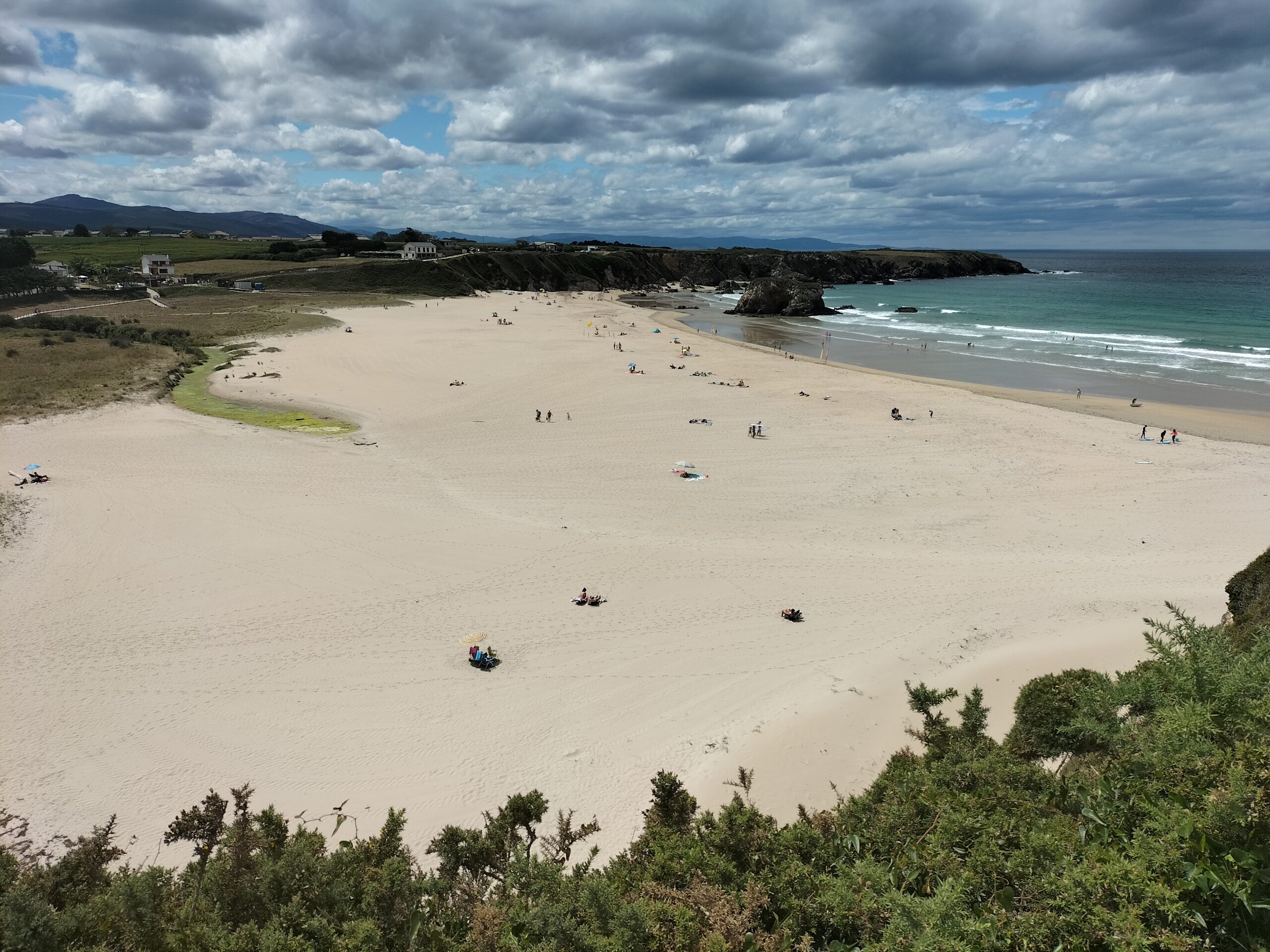
The Cantabrian beaches, such as Penarronda and Arnao, offer a coastline of great beauty for walking and wave sports. They are open sandy beaches surrounded by a well-preserved natural environment.
The seafaring tradition remains alive at the Gondán shipyards and in the wooden-boat workshops of Barres and Berbesa. The Club de Mar de Castropol, founded in 1949, has won national and international rowing titles and organises the classic Bandera Príncipe de Asturias trawler regatta every year.
Camino de Santiago: the Camino del Norte — a UNESCO World Heritage site — enters at Brul (parish of Tol), with a pilgrim hostel in Tol, and continues through Barres, Figueras (former hospital) and the town of Castropol, known as the ‘gateway of the French’. There is also an inland variant through Péligos, La Venta and Silvallana towards Vegadeo.
Getting there
The municipality is crossed by the Cantabrian motorway A-8 and by the national roads N-634, towards Tapia de Casariego, and N-640, connecting with Vegadeo. The regional roads AS-22 (Vegadeo-Boal) and AS-23 complete the road network. Castropol lies about 132 kilometres from Oviedo, at the western end of Asturias, next to the border with Galicia.
Municipality map: data © OpenStreetMap (ODbL). Own rendering, no Google, no cookies.
Festivals and gastronomy
The patron festivals are those of Santiago Apóstol on 25 July and San Roque on 16 August, with the traditional trawler regatta. El Carmen in Figueras, the La Silvallana festival on the Tuesday after Pentecost and the popular Las Campas festivities in honour of San Lázaro, on the second weekend of July, are also celebrated. Local cuisine highlights include oysters and clams from the Eo estuary, farmed in the ria.
Municipality data
- Capital: Castropol
- Population: 3,202 inhabitants (INE 2025)
- Area: 125.77 km²
- Zone: West (Eo-Navia comarca)
- Demonym: castropolense
- Parishes: 9 (Balmonte, Barres, Castropol, Figueras, Moldes, Piñera, Presno, Seares and Tol)
- Town Council phone: 985 63 50 01
- Address: Plaza del Ayuntamiento, 1 — 33760 Castropol
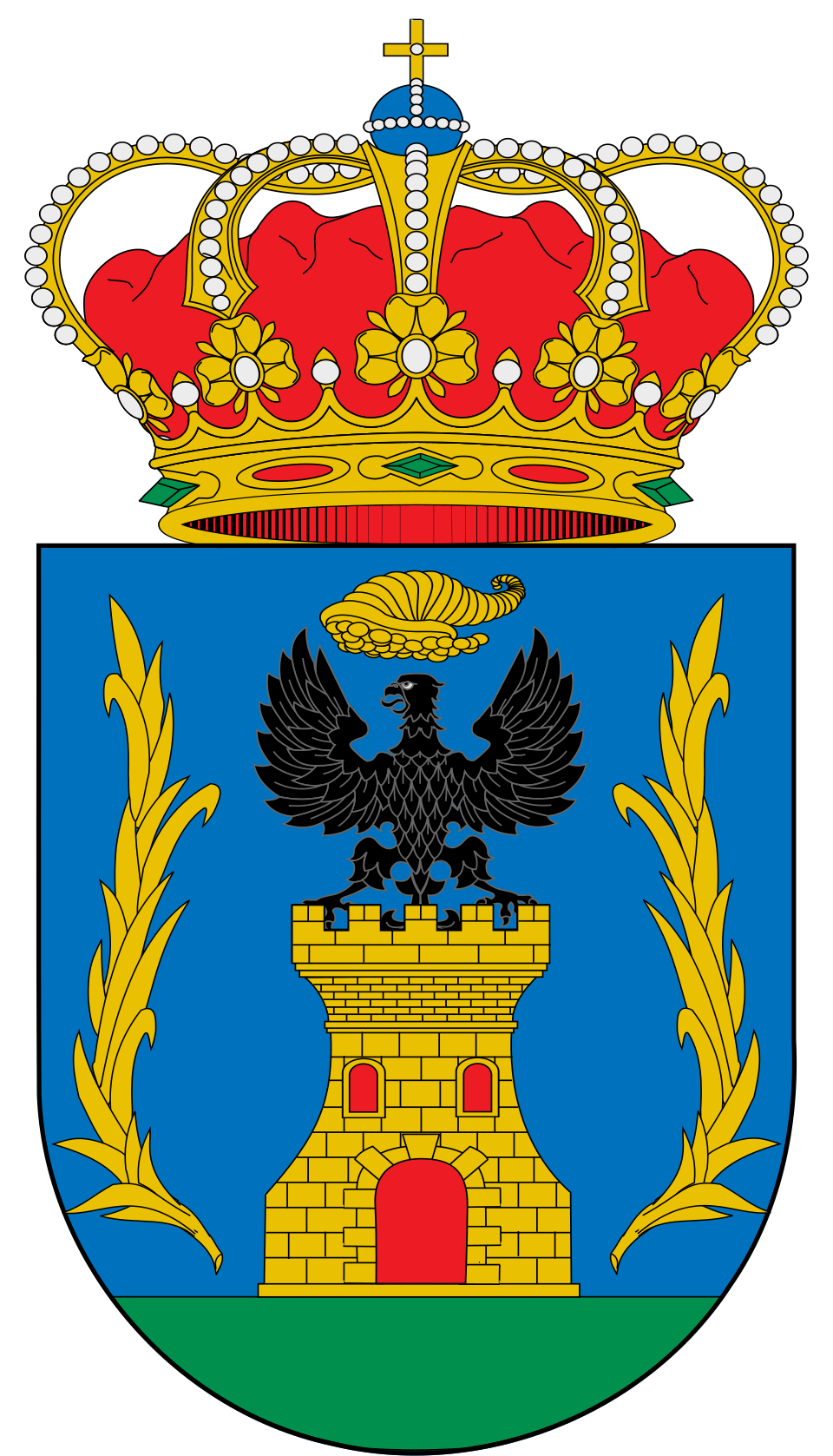
Coat of arms: Wikimedia Commons / SanchoPanzaXXI (CC BY-SA 4.0)
Neighbouring municipalities
- Ribadeo (Lugo, Galicia)
- Tapia de Casariego
- El Franco
- Boal
- Vegadeo
- Villanueva de Oscos
Useful links
Want to correct or expand this information? Contact us.
See on the interactive map: The 78 municipalities of Asturias